AGARWOODWHOLESALE
Agarwood incense sticks wholesale — coreless natural oud incense

Core Line · Best Seller

Coreless, Low-Smoke and Koh-Grade Agarwood Incense Sticks

Coreless and bamboo-core agarwood incense sticks built on real Aquilaria powder — not bamboo dipped in synthetic oud fragrance.

Key specifications

Agarwood Incense Sticks key specifications
Base materialPowdered Aquilaria sinensis / Aquilaria crassna
BinderNatural makko (Machilus thunbergii), 18–22% — no charcoal, no synthetics
Core optionsCoreless (100% incense body) or bamboo core
Stick length10.5 cm / 13.5 cm / 21 cm / 30 cm (custom available)
Diameter1.2 – 3.0 mm
Burn time20 – 75 minutes per stick, format dependent
Count per box20 / 30 / 40 / 100 sticks
Scent profileResinous opening · warm spice mid · cool sweet finish
MOQNone on stock packaging · private label from 500 boxes
Lead timeWithin 2 weeks on stock · 25–35 days on private label from approved artwork
  • Plantation Aquilaria, single origin
  • 12+ years exporting
  • Batch retention samples held
  • No minimum order quantity on stock lines

Calm · Clarity · Everyday Ritual

Twenty minutes of real quiet, on demand.

Agarwood incense sticks are the most accessible way into the same aromatic chemistry that Zen monks, Sufi practitioners and Vedic households have relied on for over a thousand years. Unlike charcoal-and-chip burning, a stick needs no setup — light it, place it, and the room changes inside sixty seconds. Genuine Aquilaria powder delivers the deep resinous opening, the warm spice middle and the cool sweet finish that "oud-scented" dipped sticks never reproduce.

  • Real agarwood powder as the aromatic body — not bamboo coated in fragrance oil
  • Coreless option: nothing burns except the incense itself, so no bamboo tail-note
  • Natural makko binder — no charcoal, no saltpetre, no synthetic accelerant
  • Plantation-traceable Aquilaria with the source lot recorded on every shipment

Product gallery

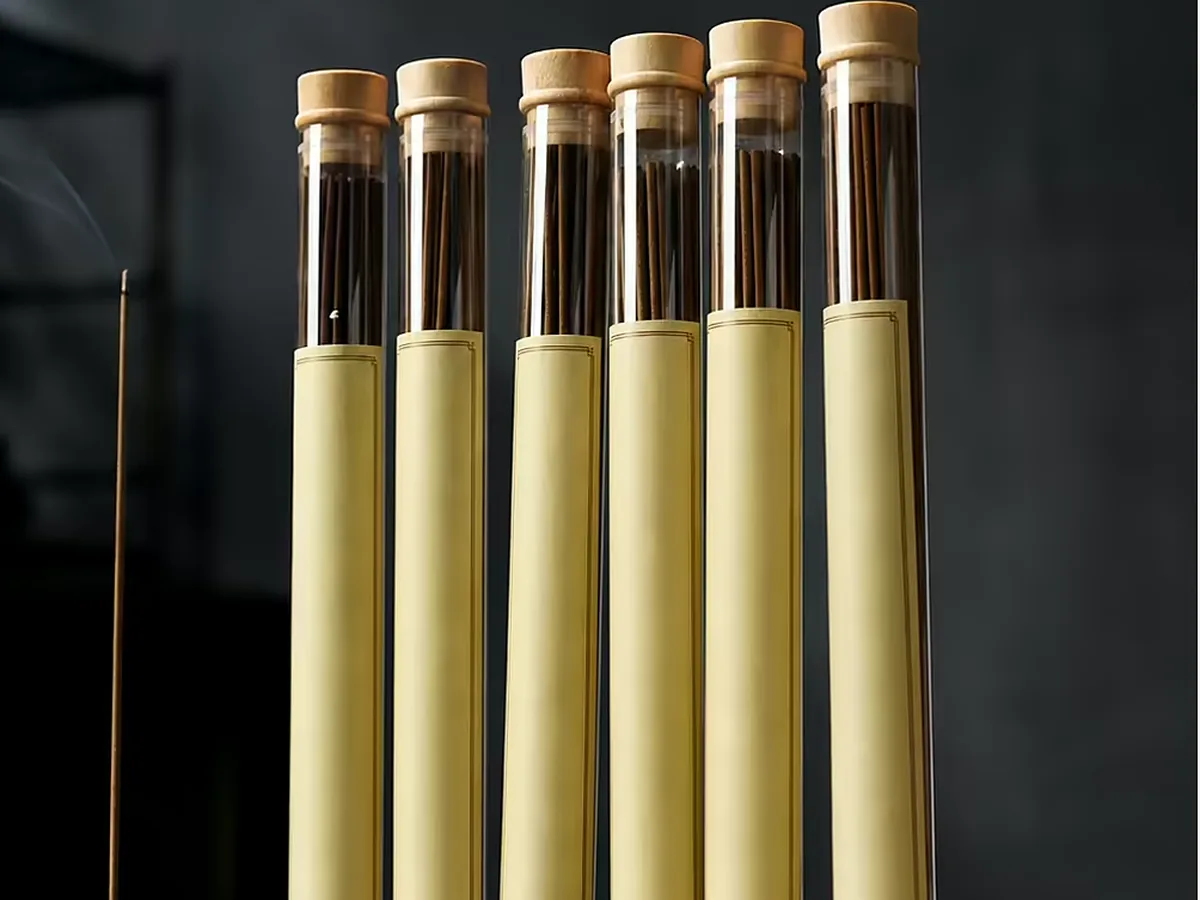
Agarwood incense sticks — full product view, agarwood incense wholesale
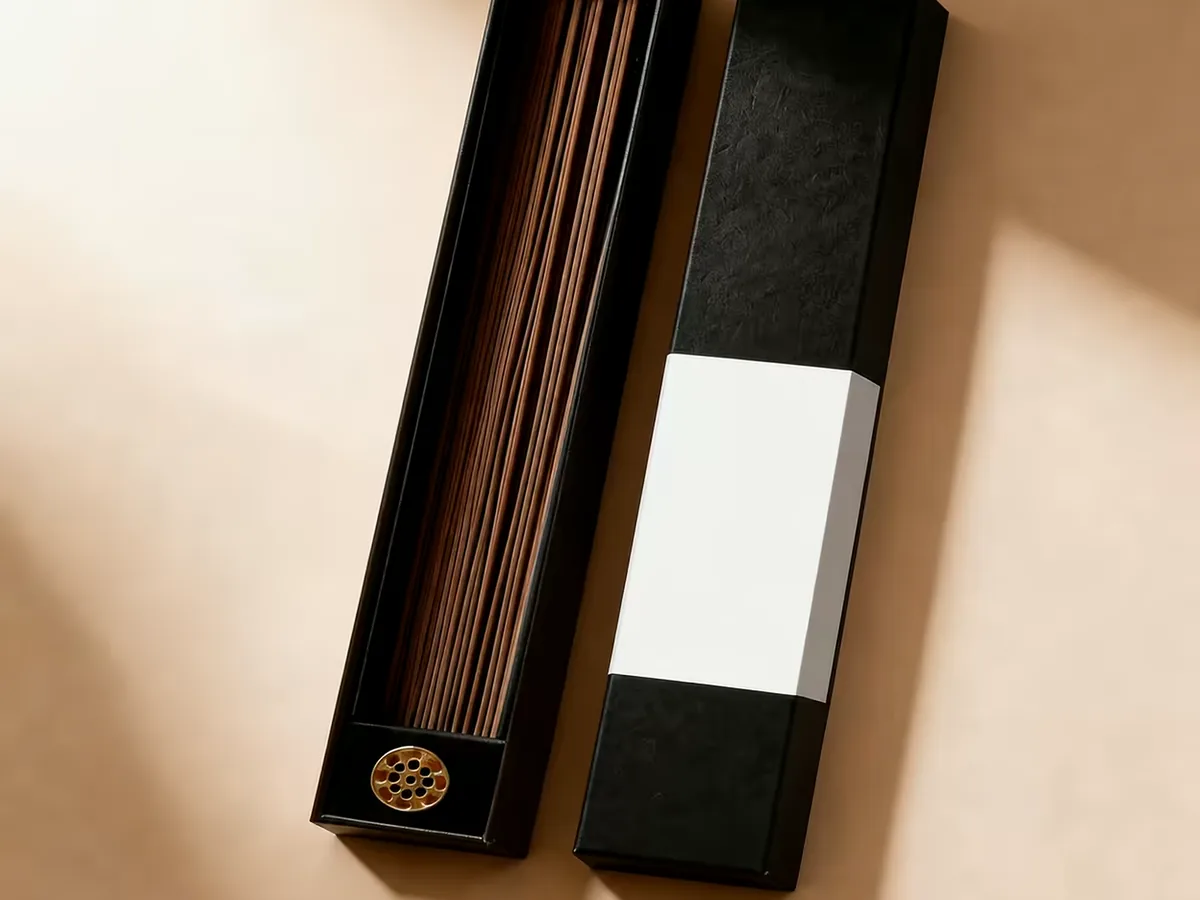
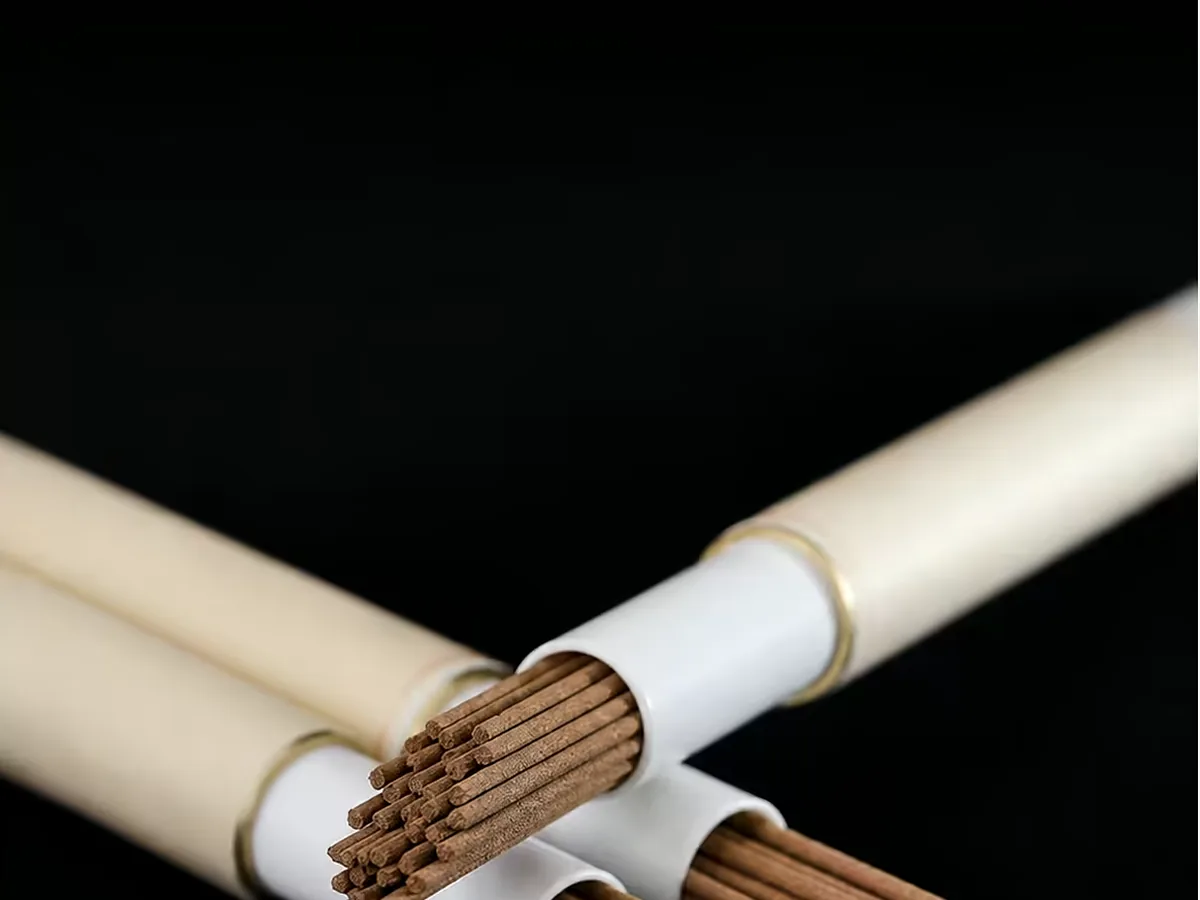
Agarwood incense sticks — retail packaging and unboxing, agarwood incense wholesale
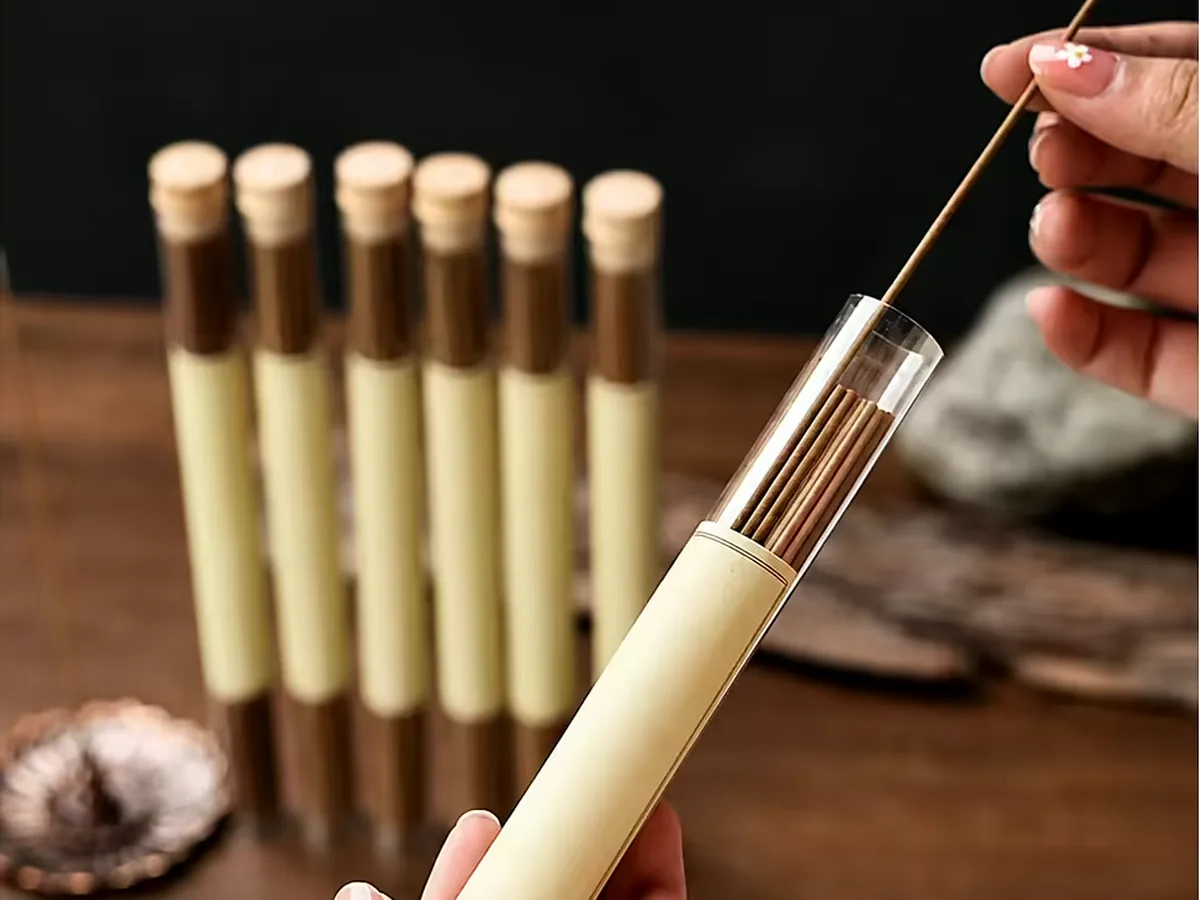
Agarwood incense sticks — in use, agarwood incense wholesale
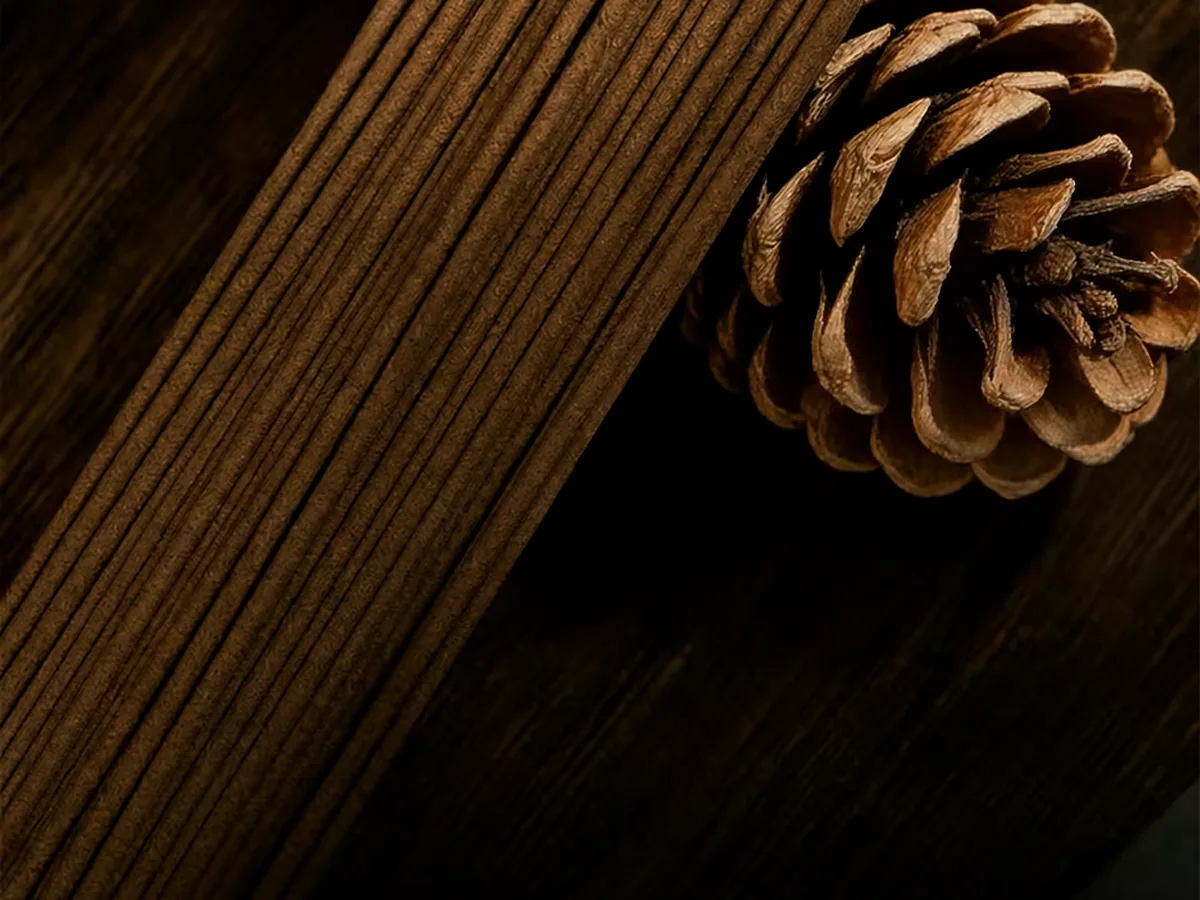
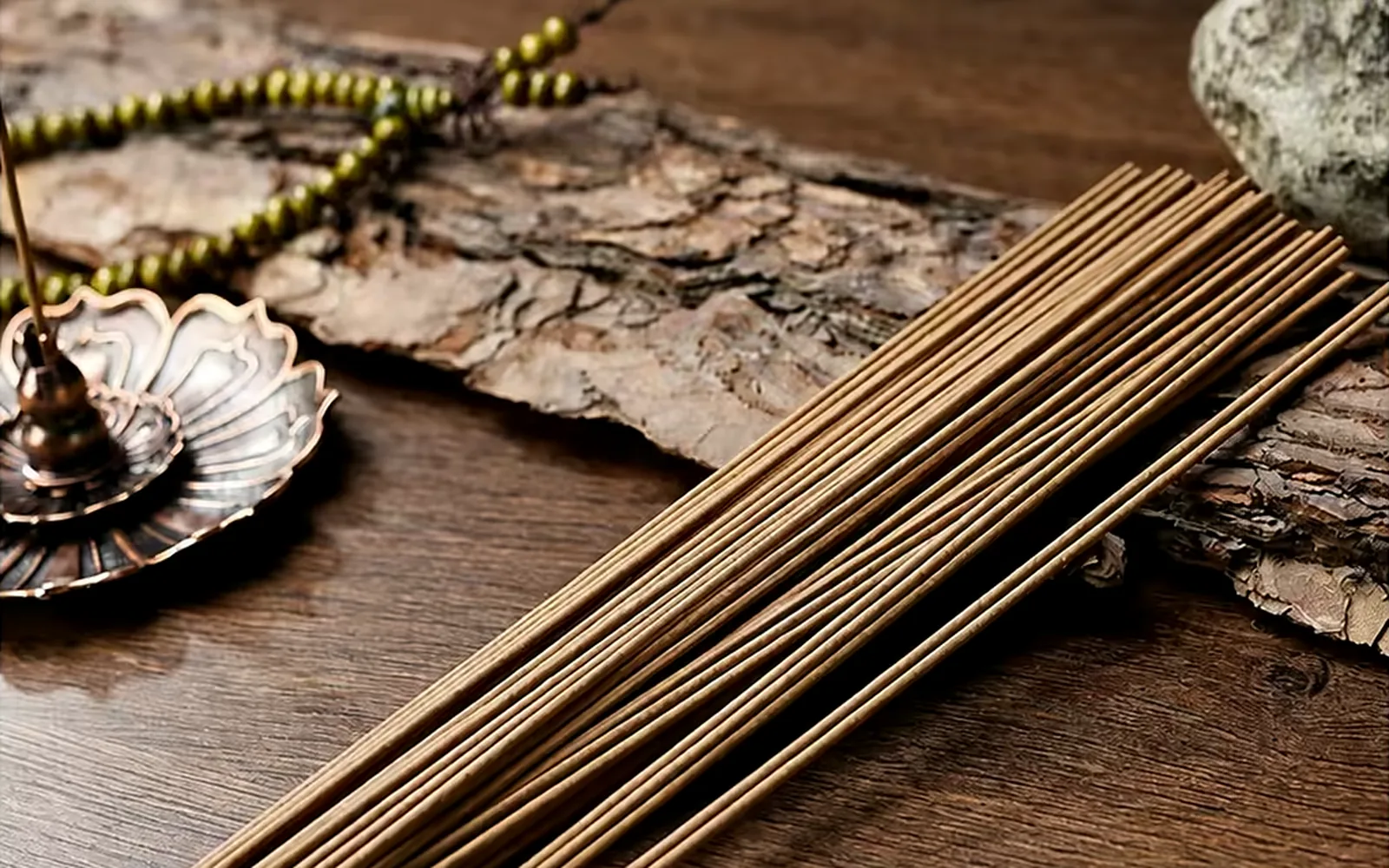
Agarwood incense sticks — close-up detail, agarwood incense wholesale
Agarwood incense sticks — size and specification comparison, agarwood incense wholesale
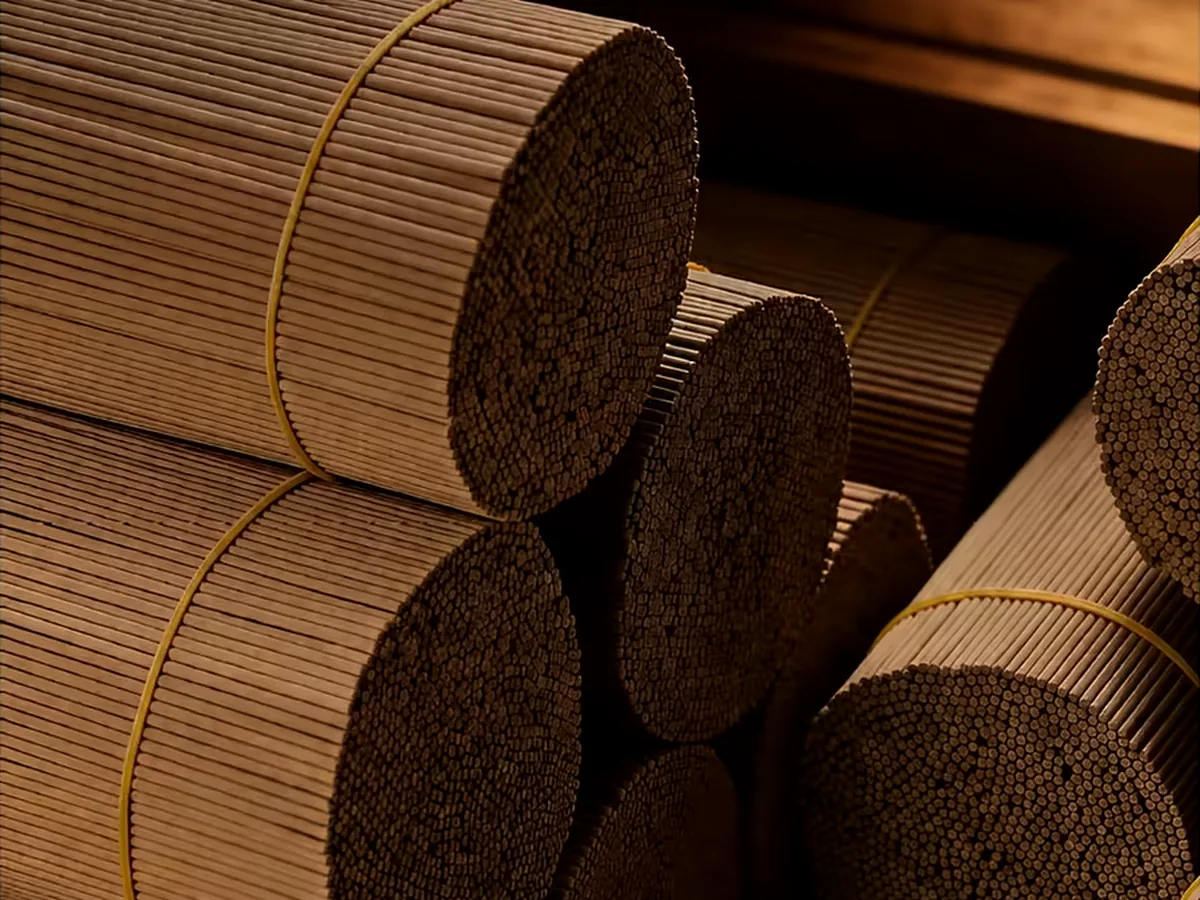
Agarwood incense sticks — factory production and warehouse stock, agarwood incense wholesale

What this line comes in

The grades, and what separates them

These reflect real production differences, not packaging tricks. There is no minimum quantity on any of them — price depends on grade, quantity and destination, so it comes back with the quotation rather than being invented here.

Standard Box — 40 sticks

Quote on request

Plantation Aquilaria base, bamboo core, consistent burn. The volume workhorse for gift retail and hospitality amenity sets.

Most specified

Coreless Premium — 30 sticks

Quote on request

No bamboo core, so nothing but agarwood burns. Cleaner scent, no woody "core smell" at the tail of the burn.

Japanese Koh Grade — 30 sticks

Quote on request

Higher-resin powder blended to kōdō expectations. For Japanese retail, temple supply and tea-ceremony channels.

Bulk / OEM Private Label

Quote on request

Custom length, count, blend ratio, box design and printing. We supply dielines and run a pre-production sample before the main run.

Need the full price list?

Tell us quantity, grade, packaging and destination. We reply within one business day with a formal quotation.

Request price list

About this category

Agarwood Incense Sticks — Complete Sourcing Guide

Agarwood incense sticks — koh (香) in Japan, oud incense sticks across the Gulf, agarbatti in South Asia — are the highest-volume form of finished agarwood product in world trade. The category splits on one structural question before anything else: does the stick have a bamboo core, or not? A cored stick is cheaper to produce and mechanically stronger. But the bamboo itself burns and contributes a dry, papery note that becomes obvious in the final third of the burn. A coreless stick is extruded entirely from incense material, so every second of the burn is agarwood and binder. For premium retail and for the Japanese market, coreless is effectively the price of entry.

The second structural question is the binder. Traditional Japanese production uses makko — powdered bark of Machilus thunbergii — which is both an adhesive and a clean-burning fuel. Cheaper production uses charcoal plus saltpetre to force a fast, hot burn, which flattens the scent and produces the black smoke that ruins meditation and yoga use. Our sticks are makko-bound across every tier. If you are comparing quotes and one supplier is dramatically cheaper, the binder is usually where the difference lives.

Third comes the agarwood itself: species, resin content and grade. We work exclusively with plantation Aquilaria sinensis and Aquilaria crassna. Plantation material is the responsible and legally straightforward choice — the source lot is traceable and it is reproducible batch to batch. That matters enormously when you are building a retail SKU that has to smell the same next year. Our top tier is koh grade: the highest resin fraction a managed induction cycle yields, cut to Japanese expectations. Above that sits kyara, which nobody can farm and which we therefore do not offer — if a shelf needs a kyara anchor, that lot has to come from somewhere other than us.

Format then follows the destination market. Japanese and East Asian retail favours short sticks — 10.5 cm and 13.5 cm — burning 20 to 30 minutes, sold in 30- to 40-stick boxes. Gulf and Middle Eastern markets favour longer, thicker sticks with a bolder, sweeter profile that can carry a large majlis or hotel lobby. European and North American wellness retail sits in between, and is the most sensitive to smoke volume — low-smoke formulations sell disproportionately well there. Getting the format right for the destination is worth more than a small unit-price saving.

On packaging and OEM: our standard boxes ship unbranded or with a neutral kraft sleeve. Private label starts at 500 boxes and covers stick length, count, blend ratio, box structure and print. We supply the dieline, run a pre-production sample for your sign-off, and only then start the main run. Typical OEM lead time is 25 to 35 days from artwork approval. For buyers testing a new market, we recommend starting with stock packaging at 50 boxes, validating sell-through, and converting to private label on the reorder.

Finally, the declaration. The single most common customs problem in this category is not the agarwood at all. It is a binder or fragrance declaration that does not match the physical goods, which gets the consignment reclassified as a chemical product and held. We declare the makko binder explicitly on the commercial invoice, which removes that failure mode before it starts. Which permits and certificates your particular import route requires is a question for your broker. It is worth asking before you book rather than after.

A practical note on comparing quotes. Stick weight is the variable that makes two prices look different when they are not. A 21 cm stick at 1.8 mm diameter and the same stick at 2.4 mm differ by roughly a third in material. A quote that omits the diameter is not comparable to one that states it. Ask for length, diameter, weight per stick and count per box on every quotation you collect, and normalise to cost per gram of incense material before you decide anything. Suppliers who quote only per box are, intentionally or not, making that comparison harder.

The second thing worth normalising is burn time, because it is what your customer experiences and it is not proportional to length. A thicker stick burns longer per centimetre but also throws more smoke per minute. That is why the 21 cm low-smoke format burns 35 to 45 minutes rather than the hour a naive calculation would suggest. If you are replacing an existing SKU on a shelf, match the burn time your customer is used to rather than the dimensions. A stick that looks the same but finishes fifteen minutes earlier generates complaints that no specification sheet will answer for you.

Finally, storage on your side. Sticks arrive dried and sealed with desiccant, and they hold in a warehouse at normal humidity. What breaks them is a cold container unloaded into a humid receiving bay. Condensation forms on the cartons and the outer boxes soften. The sticks at the edge of the tray pick up enough moisture to burn unevenly. If you are importing into a monsoon or Gulf-summer climate, let the pallet equalise for 24 hours before you break the shrink wrap. It costs a day and it prevents the complaint that looks exactly like a quality fault but is not one.
Where this format sells

What buyers put agarwood incense sticks on the shelf for

Each setting fixes the burn time, the smoke volume and whether an open flame is allowed — and those three between them decide the format.

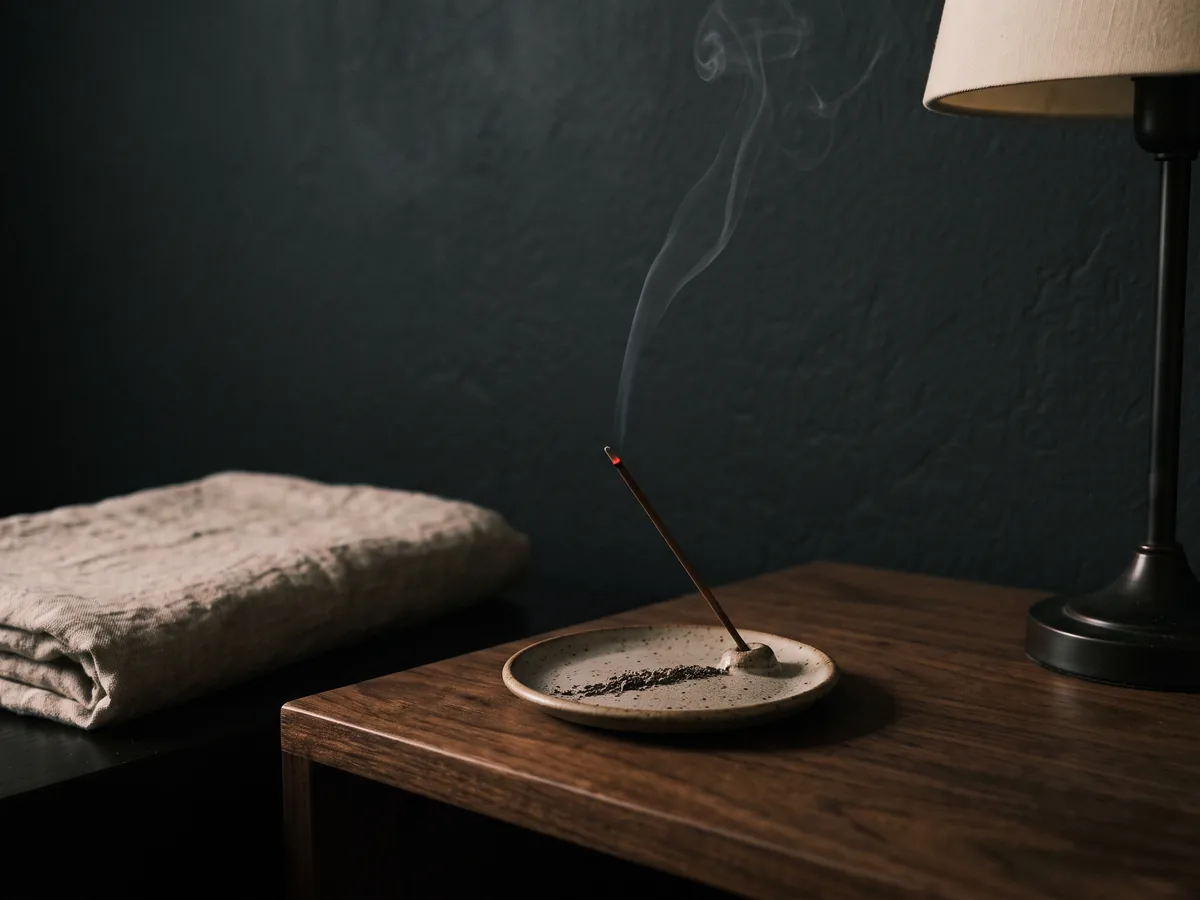
A single incense stick burning on a plate holder on a bedside table in the evening

Bedroom and evening use at home

A small room, one person, twenty minutes to half an hour before the end of the day.

What it constrains
Short burn and low smoke volume. A stick that runs 60 minutes in a bedroom is the wrong stick, and ash that scatters off a plate is the single most common reason a home user does not rebuy.
Formats that fit
Coreless sticks at 13.5 cm · low-smoke sticks · a plate holder that catches the full column
For the buyer
The highest-volume home format and the one most often sold as a boxed set with its holder. Buyers in this segment specify burn time before they specify grade.
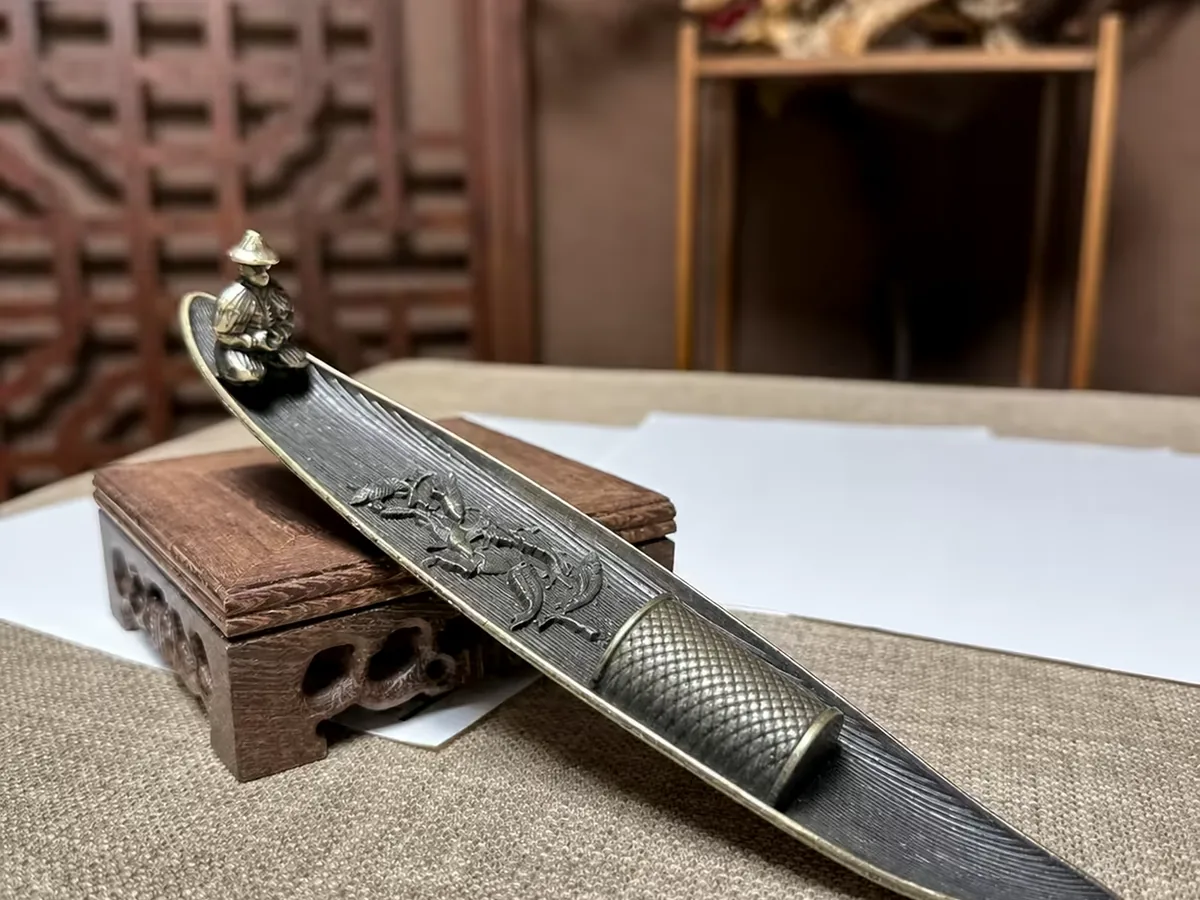
A boat-shaped incense holder on a linen desk mat with loose sheets of paper and a carved wooden box

Study, reading and desk work

One person, one sitting, typically forty minutes to an hour at a desk.

What it constrains
The burn has to last the sitting without being re-lit, and the scent has to stay in the background. A heavy top note competes with the work rather than framing it.
Formats that fit
Koh-grade short sticks · seal incense powder pressed to a session length
For the buyer
The strongest repeat-purchase segment in the range, because the product is consumed on a schedule rather than on occasions. Sells on consistency between boxes.
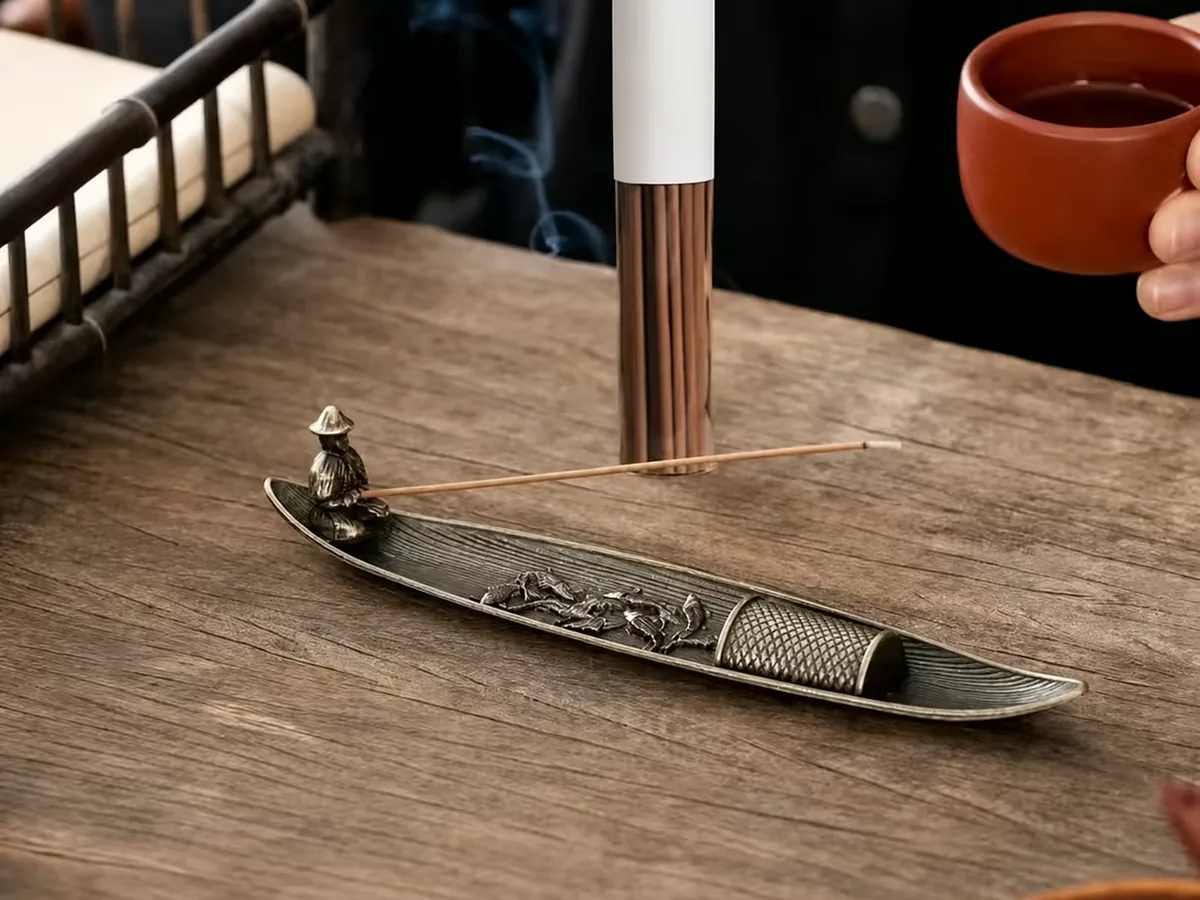
A lit incense stick on a boat holder at a tea table, a hand lifting a red tea cup beside it

Tea room and tea service

A table, two to six people, the length of a tea session.

What it constrains
It cannot compete with the tea. That rules out anything with a loud opening, and it usually rules out a plate holder in favour of a lidded censer that softens the release.
Formats that fit
Koh grade · lightly dosed sticks · ceramic koro censer rather than an open plate
For the buyer
Sold next to teaware, at a price tolerance well above the home shelf. This is the segment that buys the censer and the incense together.
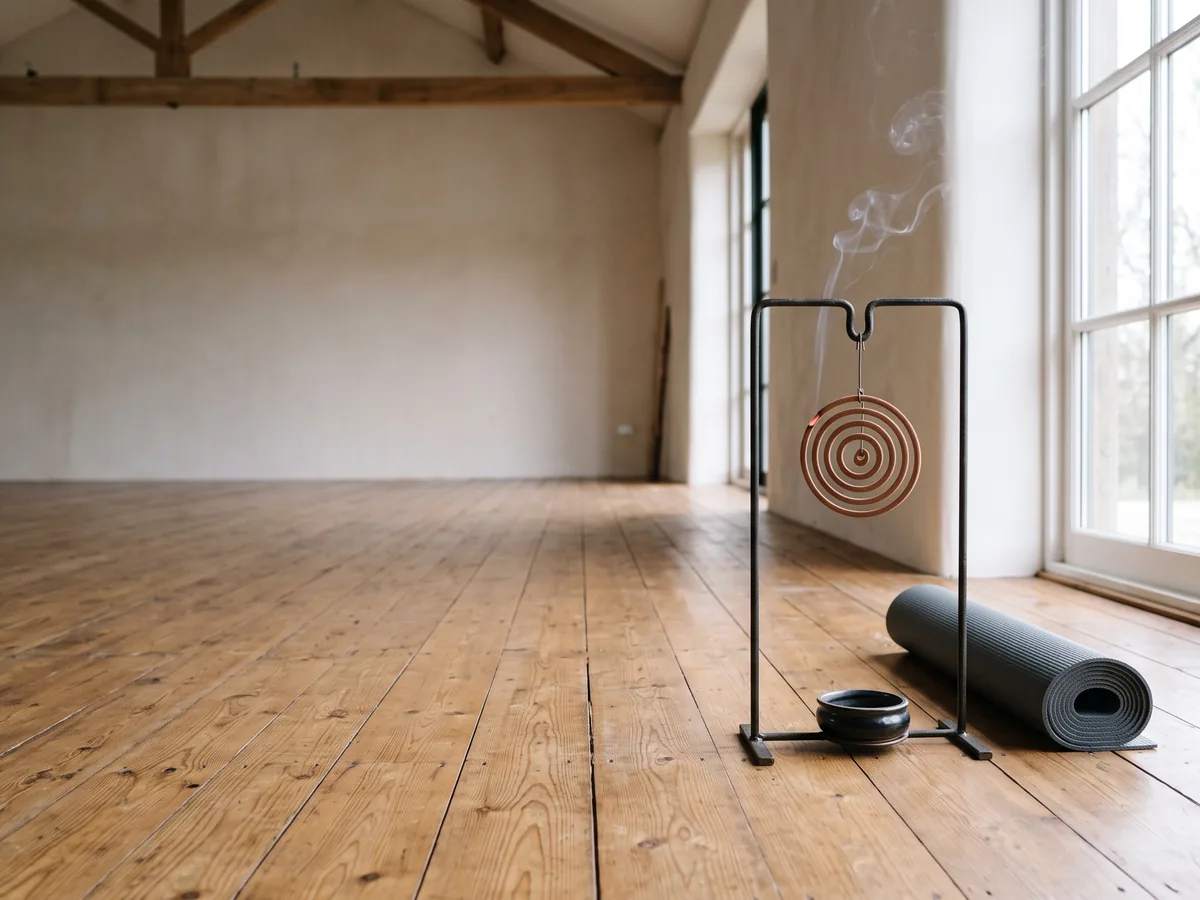
An incense coil burning on a stand at the edge of a studio floor during a class

Yoga and indoor movement

A studio or a cleared room, forty-five to ninety minutes, nobody watching the incense.

What it constrains
Long and unattended. The burn has to hold for the whole session and finish safely on its own, which is a coil or a long stick rather than anything that needs re-lighting.
Formats that fit
Incense coils · long sticks with a stand that keeps the ash off the floor
For the buyer
Studios buy in bulk on plain packaging and reorder on a fixed cycle. Low unit price, high volume, and almost no interest in gift presentation.
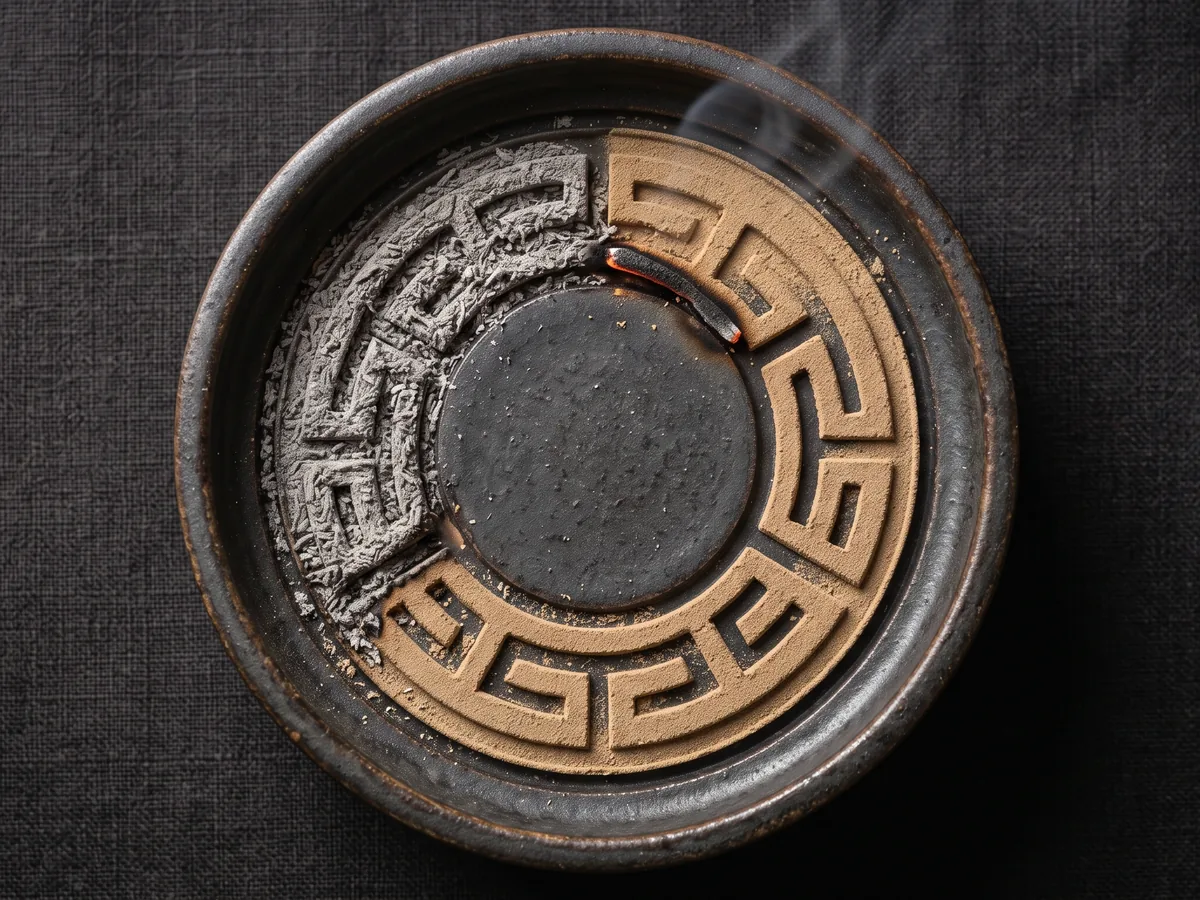
A seal incense pattern burning along its path in a censer during a sitting

Meditation and formal practice

One sitting, and the incense is what measures it.

What it constrains
Burn time has to be repeatable between batches, because here the stick is the timer. A lot that runs eight minutes short changes the length of the practice.
Formats that fit
Seal incense, where the pressed pattern is the duration · coils · temple long-burn sticks
For the buyer
These buyers specify burn time first and scent second, and they will test a new lot against the old one before committing. Batch consistency is the whole sale.
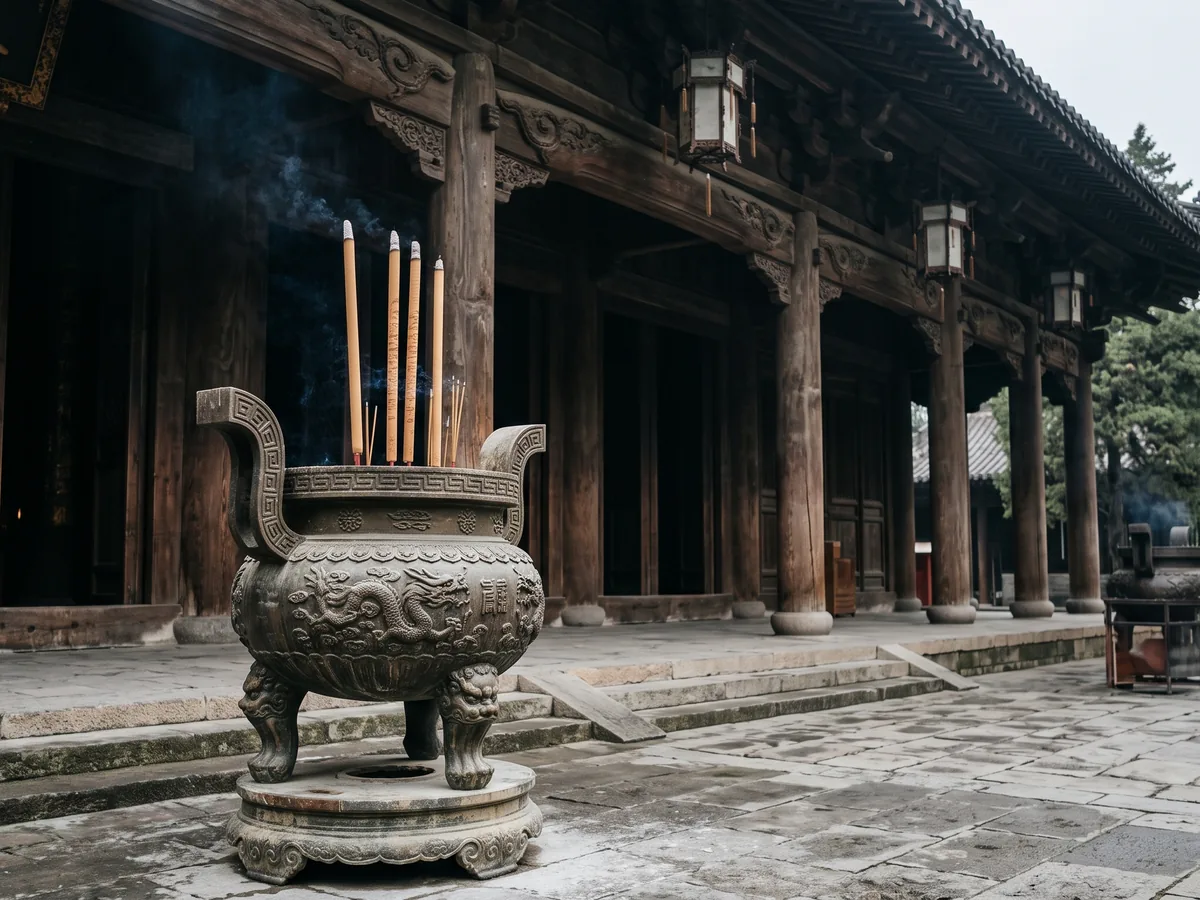
Long temple incense sticks burning in a large open censer outside a hall

Temples and institutional supply

A large hall, open air or high ceilings, two to four hours at a time.

What it constrains
Length and volume. A domestic stick is invisible in this space, and re-lighting through a service is not workable, so length does the work.
Formats that fit
Temple long-burn sticks at 40, 60 and 90 cm · large coils
For the buyer
Contract supply rather than retail: scheduled quantities, plain bulk packing, and a specification that has to hold across a year of deliveries rather than one box.

All products in this category

Agarwood Incense Sticks — 5 products

Each product page carries full specifications, test data, compliance detail and an enquiry form.

Tradition & meaning

Why an incense stick carries more than scent

Agarwood incense is the oldest meditation technology still in daily use. In Japanese kōdō one does not smell the smoke — one listens to it (monkō), following the note as it moves from sharp to sweet to silent. In zazen, in Tibetan puja, in Chinese Daoist practice, the same stick is lit for the same reason: to fence off a pocket of time and mark it as different. Everything about how we blend and dose these sticks is built around that one job — one clean burn, one focused sitting.

Related sourcing information

Origins, grades and related lines

Material and origin

Every line on this page is made from the same material: Plantation Aquilaria from Guangdong & Hainan, China. One grade, one origin, across every line we make. That is the point rather than a limitation: it is what makes a batch reproducible against a retained reference sample months later. What happens to it between the block and the box is set out on the factory tour, stage by stage.

Markets we supply this line to

Related product lines

Watch

How our incense sticks are made, start to finish

The stick line from raw material through forming to trays — the longest single look at the process we have on film.

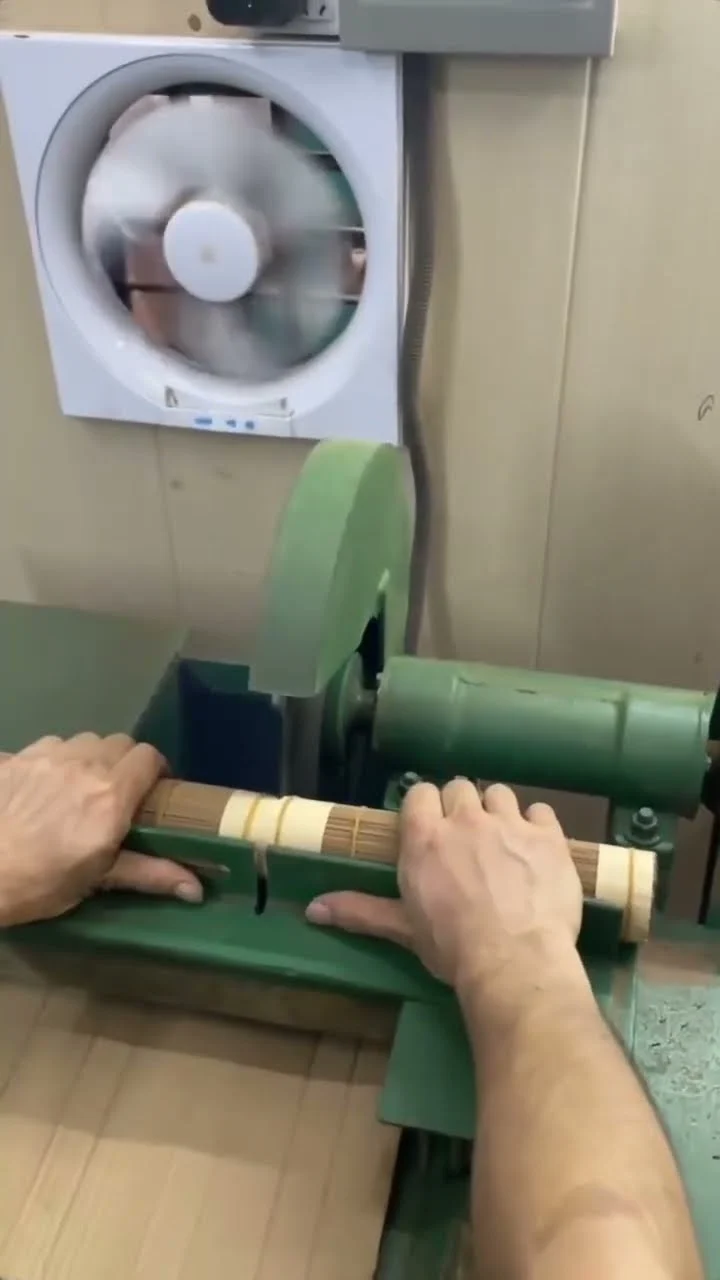
Agarwood incense sticks running through the forming line onto drying trays

How our incense sticks are made, start to finish

The stick line from raw material through forming to trays — the longest single look at the process we have on film.

Buyer Questions

Incense sticks — frequently asked questions

What is the difference between coreless and bamboo-core incense sticks?

A bamboo-core stick has a thin bamboo skewer running through it, with incense paste rolled around the outside. The bamboo burns along with the incense and adds a dry, papery note that is most noticeable in the last third of the burn. A coreless stick is extruded entirely from incense material, so nothing burns except agarwood powder and natural binder. Coreless costs more to produce and is more fragile in transit. But it is the standard expectation for premium and Japanese-market retail.

How do I verify that incense sticks actually contain agarwood?

Three practical checks. First, unlit smell: real agarwood powder has a faint sweet-woody smell cold; a dipped stick smells strongly of perfume cold. Second, ash colour: makko-bound agarwood leaves fine grey-white ash that holds its shape, while charcoal-heavy sticks leave black, crumbly ash. Third, burn behaviour: genuine agarwood evolves across the burn — resinous, then spicy, then cool and sweet — whereas fragrance-dipped sticks smell identical from start to finish. We also supply GC-MS reports on request for buyers who need documentary proof.

Why do my incense sticks produce black smoke or self-extinguish?

Black smoke almost always means too much charcoal or an over-oiled blend; self-extinguishing almost always means the binder ratio is too high or the sticks absorbed moisture in transit or storage. Both are formulation and handling problems, not agarwood problems. Our blends are dosed to burn at 18–22% binder, dried before packing and shipped with desiccant in the master carton.

What are kyara incense sticks and why are they so expensive?

Kyara (kynam) is the top classification in the Japanese kōdō grading system — agarwood with exceptionally high resin concentration and a distinctive cool, bittersweet, almost floral character that no other grade reproduces. It occurs rarely in wild trees and cannot be farmed, which is why the price is real rather than manufactured. We do not sell it. Everything we make is plantation Aquilaria, and our highest tier is koh grade. The kyara reference page explains the distinction in full so you can judge other suppliers’ claims.

Can I order custom packaging and a custom blend?

Yes. Private label starts at 500 boxes and covers stick length, diameter, count per box, agarwood-to-binder ratio, box structure and printing. We supply the dieline, produce a pre-production sample for your written approval, and only then start the main run. Budget 25–35 days from artwork sign-off to shipment.

Do you supply the Japanese market?

Yes. Japanese buyers are the most demanding in this category — on smoke volume, ash behaviour, dimensional consistency and scent reproducibility batch to batch. Our koh-grade line is formulated against those expectations. Send us your target profile and we will send a sample set before you commit to a purchase order.

Ordering, lead time, payment, shipping and claims are answered in full on the buyer FAQ.

Case studies

Programmes that ran on agarwood incense sticks

Ready to order agarwood incense sticks?

Send quantity, grade, packaging and destination. We reply within one business day with a formal price list — and we will tell you if a different line in our range fits your market better.

Request a quoteWhatsApp