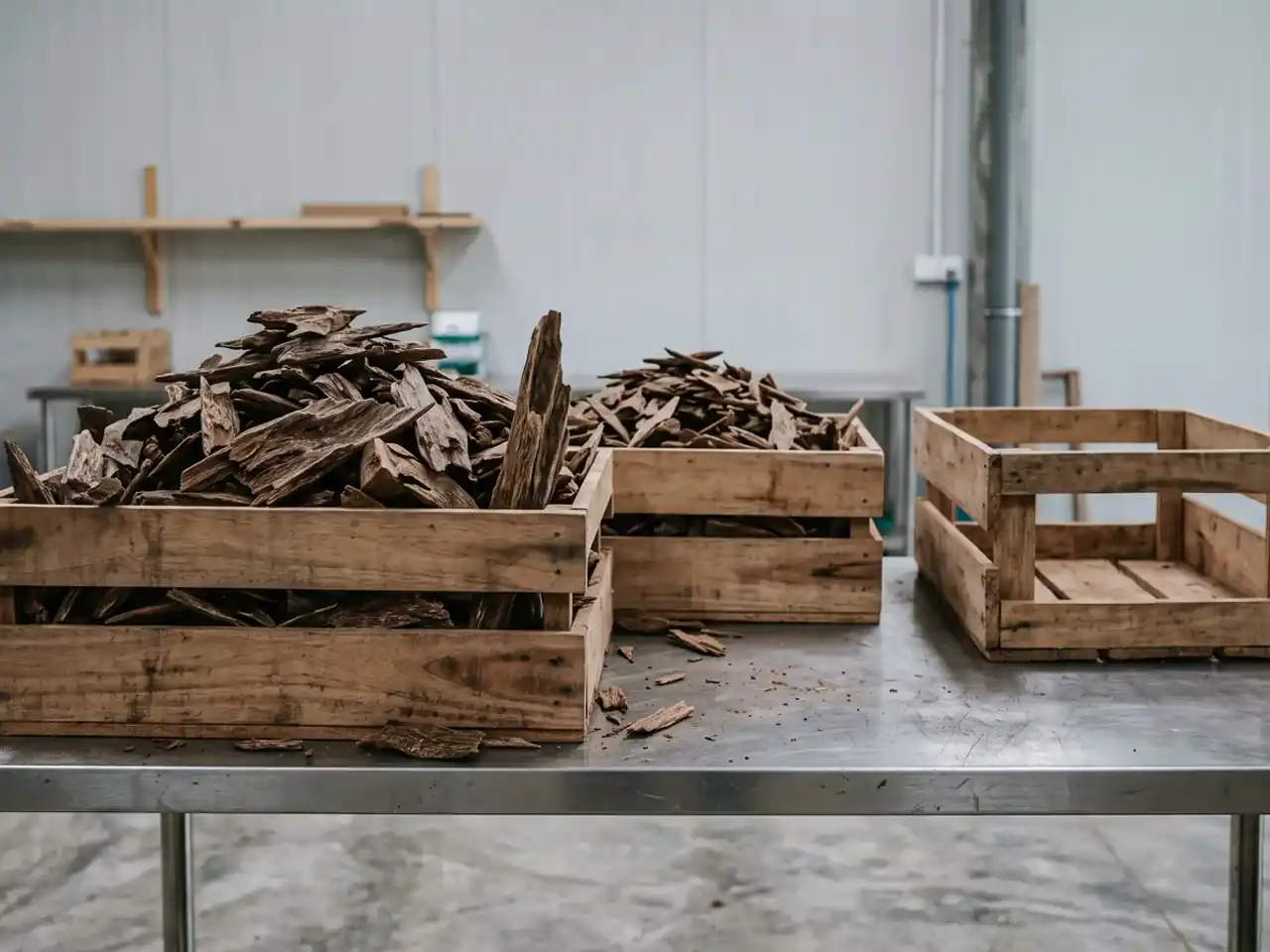
Sourcing
Agarwood Origins — What Each Region Actually Smells Like
Origin is the strongest real distinction in agarwood after grade, and it is also the most freely misclaimed. Here is where our material comes from, what each region contributes, and which of them we would not recommend for your application.
Five origins
Where our material comes from
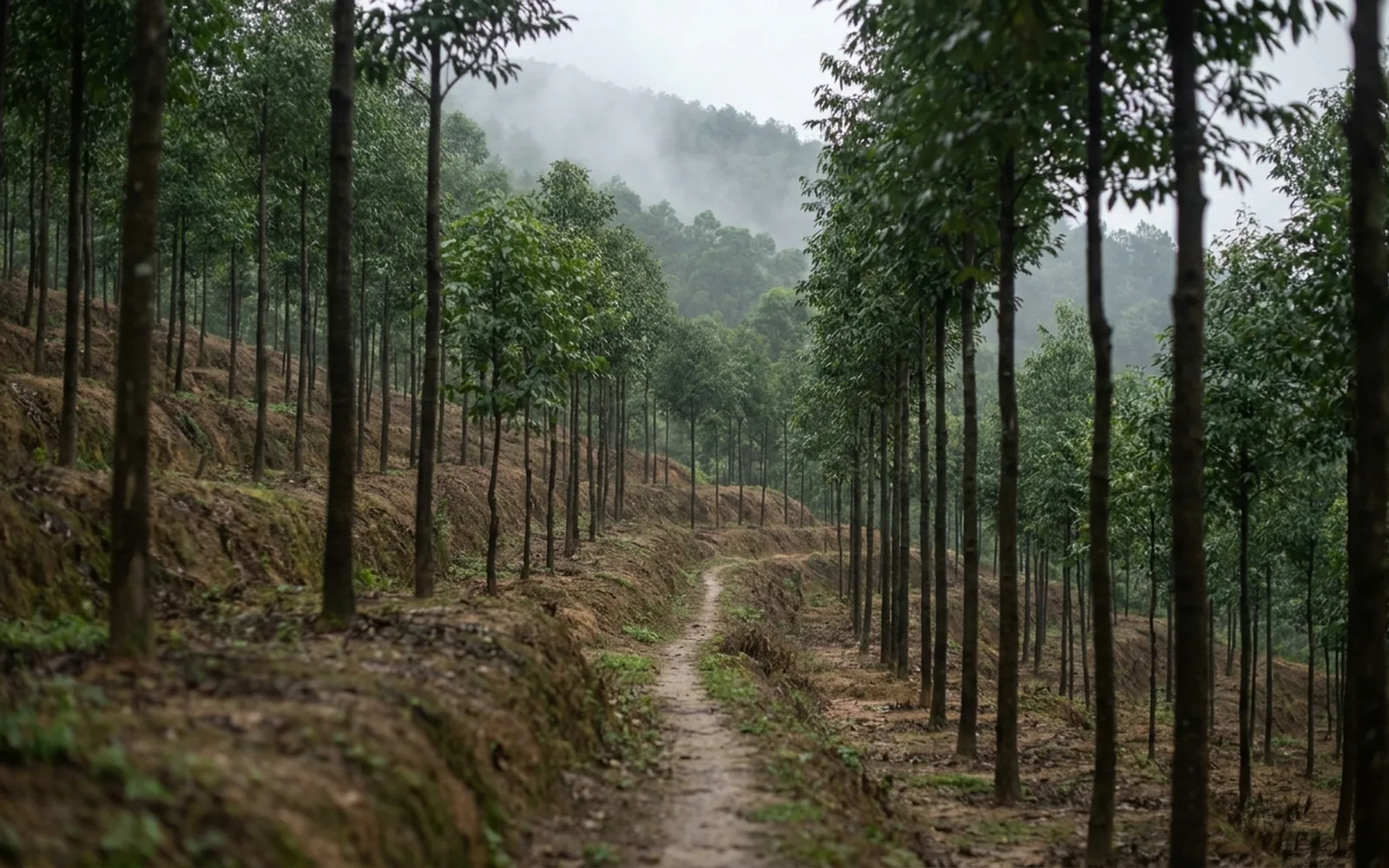
Guangdong & Hainan, China
Aquilaria sinensis — Balanced woody-sweet, moderate resin, clean burn, minimal barnyard
Southern China
At a glance
Origin comparison
| Origin | Species | Profile | Best for |
|---|---|---|---|
| Guangdong & Hainan, China | Aquilaria sinensis | Balanced woody-sweet, moderate resin, clean burn, minimal barnyard | Volume stick and powder programmes, OEM, compliance-sensitive markets |
Before you decide
How much origin actually changes
Why origin matters less than most suppliers imply, and where it genuinely matters. The scent difference between two lots of plantation Aquilaria from the same region is often larger than the difference between regions. Induction method, time on the tree and the fraction of the trunk the material came from all move the profile more than the map does. A supplier who leads with origin and cannot tell you the induction cycle is selling you the wrong variable.
Where origin does carry real weight is documentation and legality. The source lot determines which permits apply, which certificates your broker will ask for, and how quickly a query at the border gets resolved. Material from a stand we manage ourselves is traceable to a specific block and a specific year. That is a different kind of claim from a country name on an invoice. It is the one that survives scrutiny.
For a purchase order, the practical guidance is short. Name the origin so the paperwork lines up. Name the grade so the price band is understood. Then name the application, because that is what we actually select against within a grade. Origin alone does not tell us whether you are building a low-smoke wellness stick or a koh-grade blend. Those take different material from the same stand.
In more detail
When origin is the right question
Origin decides three things reliably: which permits apply, which certificates your broker will ask for, and how quickly a query at the border resolves. Those are documentation outcomes rather than scent outcomes. They are worth getting exactly right on the invoice from the first shipment.
Origin decides scent much less reliably than the trade implies. Two lots from the same stand can differ more than two lots from different countries, because induction method, time on the tree and which fraction of the trunk the material came from all move the profile further than geography does. A supplier who leads with a country name and cannot describe the induction cycle is answering a question you did not ask.
Where a country name does carry scent information, it is usually standing in for a species and a tradition rather than for a soil. Aquilaria sinensis processed in southern China produces a different result from Aquilaria crassna processed in mainland Southeast Asia, and both differ from Aquilaria malaccensis. Ask for the species, which is checkable, rather than the country, which is not.
For a first order, the practical instruction is short. Put the origin on the paperwork because customs needs it. Put the grade and the application in the brief because that is what we select against. And if origin genuinely matters to your customer story, ask for the source block and year rather than the country, because that is the level at which we can actually document it.
Practicalities
Putting origin on the paperwork
Name the species rather than the country wherever the form allows it. Aquilaria sinensis, Aquilaria crassna and Aquilaria malaccensis are not interchangeable on a permit. A country name does not settle which one is in the box. This is the single most common origin-related cause of a query at the border.
Then keep the source lot reference with your own records rather than only on the invoice. Queries arrive months later and they arrive about a batch. A file organised by batch number answers them in a minute; one organised by shipment date takes an afternoon.
In practice
Three species, and why the name matters
Aquilaria sinensis grows natively in southern China and is what our stands are planted with. It gives a clean, slightly sweet profile.
Aquilaria crassna is the mainland Southeast Asian species. It tends darker and heavier at comparable resin fraction.
Aquilaria malaccensis is the species most often named in older trade documents and the one most associated with wild material.
These are not interchangeable on a permit. Name the species on the invoice rather than the country. A country name does not settle which one is in the box. That ambiguity is the most common origin-related cause of a query.
Reference
What to put on the paperwork
Species, in Latin. Aquilaria sinensis for our material. This is the line that a permit is issued against.
Source lot reference. Ours identify a block and a year. Keep this with your own records, filed by batch rather than by shipment date.
Country of origin, which is China for everything we ship. It is not a substitute for the species line and never has been.
Plantation status. Cultivated rather than wild-collected. This is the line that most often shortens a query at the border, because it tells the officer which regime applies before they have to ask.
Watch
From chips to graded powder
Chips going into the mill and coming out as graded powder.
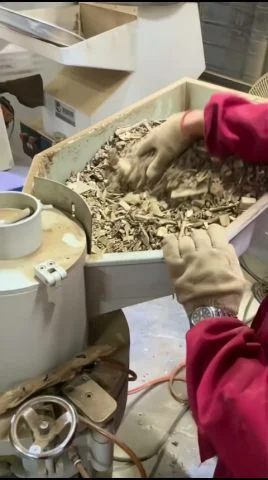
From chips to graded powder
Chips going into the mill and coming out as graded powder.
Why origin matters
What agarwood origin actually changes, and what it does not
Origin is the strongest real distinction in agarwood after grade, and it is also the most freely misclaimed. Both halves of that sentence matter, so it is worth separating what origin genuinely determines from what gets attributed to it.
What it genuinely determines is species and profile. Aquilaria sinensis from Guangdong, crassna from Vietnam and Thailand, malaccensis from Borneo are different trees producing measurably different resin. Nha Trang crassna at the top grades carries the cool bittersweet signature that defines kynam; Trat crassna leads sweeter and reaches intensity faster; Kalimantan malaccensis is dense and earthy with almost no sweetness. These are not marketing distinctions — burn them side by side and the differences are obvious.
What origin does not determine is quality in any absolute sense. A high-resin Guangdong plantation lot outperforms a poor wild Vietnamese lot on every measure that matters to a finished product. It costs less and documents more cleanly. The instinct that wild and exotic beats cultivated and local is wrong often enough to be expensive.
The second thing origin does not determine is reproducibility, and this is where most sourcing decisions actually get made. Plantation material from a known origin can be matched against a retained reference sample and resupplied next year. Wild-band lots from anywhere cannot — the next lot is a different piece of forest. If you are building a shelf position rather than a one-off collector SKU, that difference outweighs everything on the profile side.
On claims: origin is asserted far more often than it is documented. Ask for chain of custody from source lot to shipment on anything sold on the strength of where it came from. We record it from plantation stand and induction date on every lot we ship. We would rather you asked than assumed.
Not sure which origin fits your market?
Tell us the destination and the format and we will tell you what our own material does and does not do — including when the honest answer is that plantation Aquilaria sinensis serves you better than a more impressive name.