Knowledge Hub
Sourcing Problems, Explained Properly
Written for people dealing with held containers, black smoke complaints, adulterated oil and a buyer in Osaka who wants this year to smell like last year. Not written for search engines. 8 guides.
Latest
Featured article

Market Guides · 11 min read
Meditation Incense: What the Mindfulness Channel Actually Specifies
The buyers in this channel are unusually specific about smoke, burn time and ash, and unusually vague about scent. That combination catches suppliers who prepare for the wrong conversation.
Read the article →
Customs & Compliance
Customs & Compliance

Importing Incense Sticks: HS Codes, Declaration Wording and Why Shipments Get Held
Most held agarwood shipments are not held because of the agarwood. They are held because a material declaration did not match the goods.
10 min read
Quality & Troubleshooting
Quality & Troubleshooting

What Is Oud Scent? Describing It Precisely Enough to Order Against
Every answer to this question is either too vague to order against or too specific to be true of more than one batch. Here is the version you can put on a specification.
11 min read

Why Does My Incense Keep Going Out? Black Smoke and Self-Extinguishing, Explained
Two complaints dominate incense returns, and neither is caused by the agarwood. Both are process problems with measurable fixes.
10 min read

Real Oud Oil vs Adulterated: How to Verify What You Have Been Sent
The defence against adulterated oud is not a better nose. It is a batch number, a report and a retention sample.
10 min read
Sourcing Decisions
Sourcing Decisions
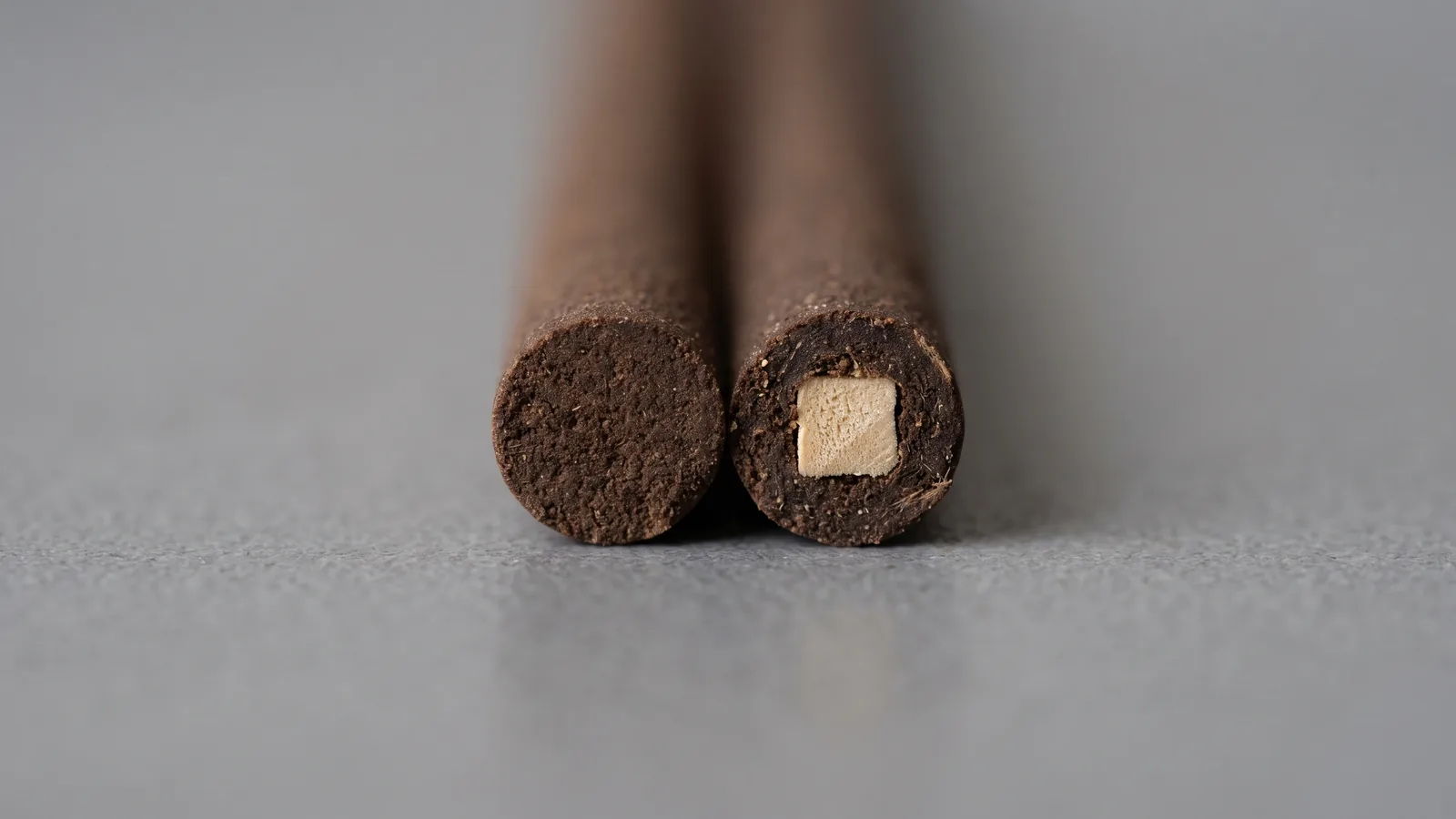
Incense Sticks Without Bamboo vs Bamboo-Core: Which to Source for Which Market
The most consequential structural decision in incense sourcing, and the one most buyers never explicitly make.
10 min read
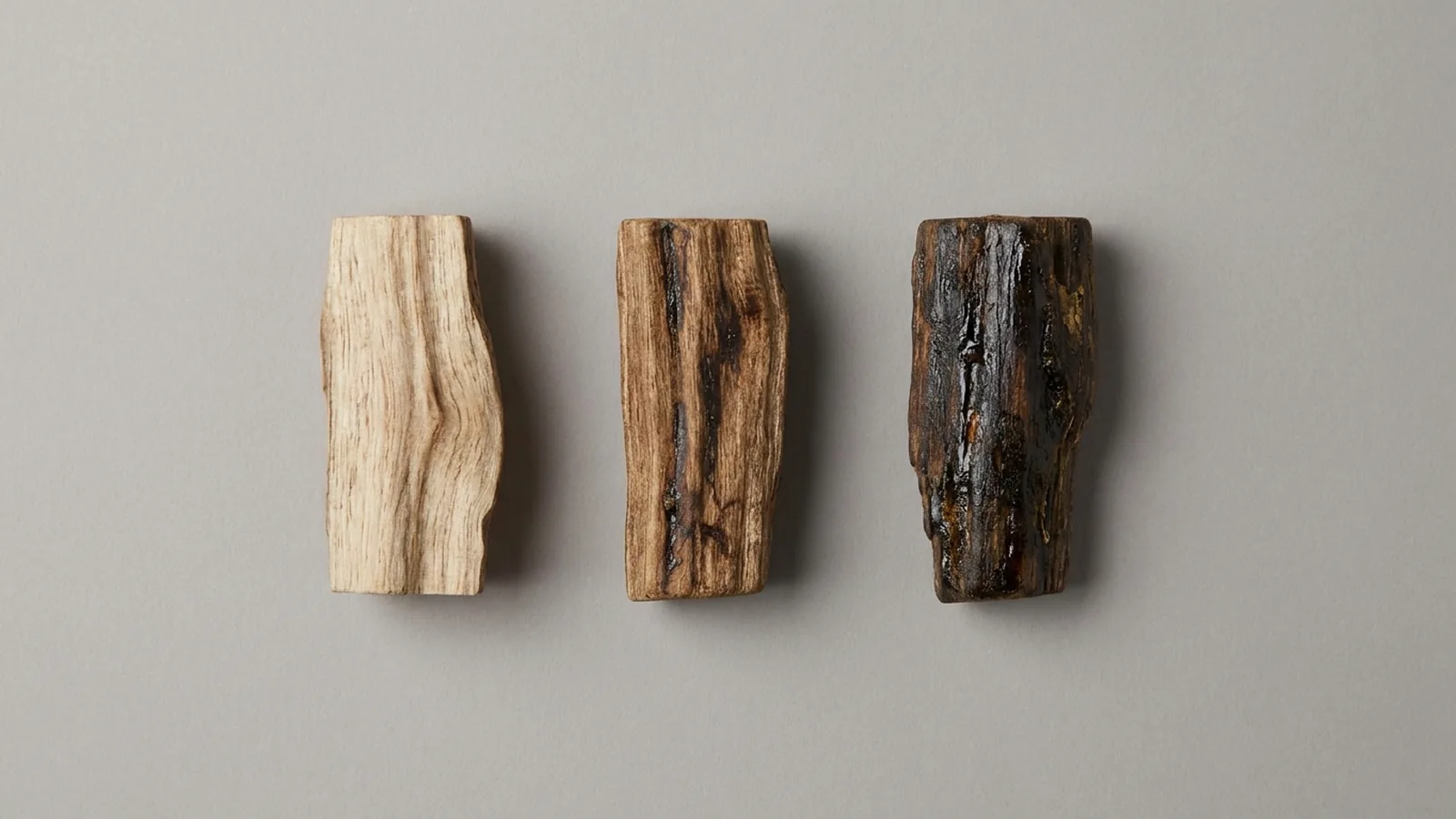
Kyara Wood Grade Explained: What Justifies a Tenfold Price Difference
The most misused word in the agarwood trade, and the documentation that separates a real claim from a marketing one.
10 min read
Market Guides
Market Guides

Sourcing Agarwood Incense for a Japanese Incense Brand
The hardest market to enter and the most durable one to hold. The bar is reproducibility, not brilliance.
10 min read
In more detail
How these articles are meant to be used
These are written for people about to place an order, not for people browsing. Each one is built around a decision that has a cost attached: which construction to source, how to word a declaration, what to demand before paying for oil. If an article does not change something on a purchase order, it does not belong here.
They are also written to be checkable. Where a number appears, it comes from the same data that sits on the product pages, and where a standard is cited it is named so you can go and read it. Where we do not have a figure, the article says so rather than reaching for a round number that sounds authoritative.
The clearance cluster is the one to read first if you are importing for the first time. Customs problems are the most expensive failure in this category and the most avoidable. They almost never come from the agarwood itself. They come from a declaration that describes the goods less precisely than the goods themselves.
The sourcing cluster is the one to read before you compare quotes. Coreless against bamboo core, what kyara actually means, how to verify an oil analytically. These are the choices that determine whether a product line works. They are much harder to reverse once stock has been made.
Context
What is not covered here, and why
There is nothing on this blog about the spiritual or ceremonial meaning of agarwood. That is deliberate rather than an oversight. It is a real subject with a long literature. It is not one a supplier should be writing for commercial purposes. Buyers serving those channels know it far better than we do.
There is also nothing about health benefits. Not because the question is uninteresting, but because we are not in a position to answer it responsibly and any answer we gave would be marketing wearing a lab coat. Where the literature reports risks associated with sustained exposure, the market pages state that plainly, because a buyer needs to know it.
What you will find instead is narrow and practical: how the material behaves, what breaks, what the paperwork has to say, and which specification decision changes which outcome. If that seems like a small territory for a blog, it is. It is also the part where a supplier actually knows something you cannot easily get elsewhere.
Editing
How these are kept current
Every article carries a publication date and, where it has been revised, an updated date. Where a figure changes on a product page, the articles that quote it are updated in the same pass rather than left to drift. That is a maintenance cost we accept, because an article quoting a superseded specification is worse than no article at all.
Where an article states something we later find to be wrong, we correct it in place and say what changed rather than quietly editing. There is no version of this trade where a supplier is right about everything. A correction is more useful evidence of how we work than a page that has never been touched.
In practice
Who writes these
These are written in-house. Nobody is credited by name. The site is a company, not a person, and a byline would imply an expert we are not offering you.
Every figure comes from our own records or from a named public standard. Where a number is ours, the product page carries it too. Where it is a standard, the standard is named so you can check it.
Nothing here is written to a keyword brief. The topics come from questions we were actually asked, usually more than once, usually after something went wrong.
If you have a question that keeps coming up in your own business, send it. It is the best source we have for what to write next.
Watch
On the factory floor
Finished incense coming off the floor and going into retail packaging.
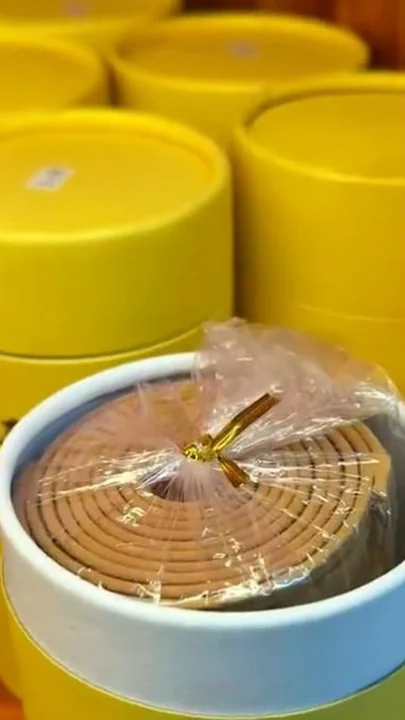
On the factory floor
Finished incense coming off the floor and going into retail packaging.
How this is organised
Four clusters, following the order problems actually appear
These articles are not organised by product. They are organised by the order in which problems tend to hit a buyer, because that is how people actually arrive at them — usually mid-problem, usually searching a symptom rather than a category.
Customs and compliance comes first because it is the failure that costs the most and surprises people the earliest. A held container accrues demurrage for weeks while paperwork gets assembled retroactively, and the storage cost routinely exceeds the freight. Almost all of it is a sequencing problem rather than a documentation problem. That means it is entirely avoidable once you know the order to do things in.
Quality troubleshooting comes second because it is what generates your returns and your negative reviews. Black smoke and self-extinguishing dominate complaints in this category, and neither is caused by the agarwood — both are formulation or handling problems with specific, measurable causes. Knowing which is which changes what you specify on your next purchase order.
Sourcing decisions is the cluster to read before you buy rather than after. Coreless versus bamboo core, what kyara actually means, how to verify oud oil analytically — these are the choices that determine whether a product line works. They are much cheaper to get right at specification stage than to discover at container stage.
Market guides covers the regional conventions that are not negotiable: format by destination, price band by channel, compliance by port. The most expensive assumption in agarwood exporting is that one specification travels.
Every article is written by the party actually shipping the goods rather than by a content agency. That is why they contain invoice wording, mesh numbers and burn-rate figures instead of general advice. Where we do not know something, the article says so.
Got a sourcing problem we have not written about?
Send it to us. If it is a question we hear more than once, it becomes an article — and either way you get an answer.