Service
Incense Bulk Wholesale Freight — Priced by Value Density, Packed by Transit Risk
Air by default so a small order does not wait for a container, sea when volume makes the weeks worth it, and packing specified against the real transit risk rather than the cheapest option. Freight is quoted separately and charged to you.
Detail
How logistics & shipping works
Freight choice in this category is driven by value density more than by weight. A 5 kg parcel of oud oil and a 5 kg carton of ceramic holders are entirely different shipping problems, and treating them the same is how buyers end up either overpaying on freight or receiving breakage.
Oils and koh-grade material go express — DHL or FedEx — because the value per kilogram makes any other choice false economy, and because the tracking granularity matters when a consignment is worth more than the vehicle carrying it. Sticks and powder at volume go air or sea depending on your lead time. Ceramic, brass and glass go sea at volume with packing specified accordingly.
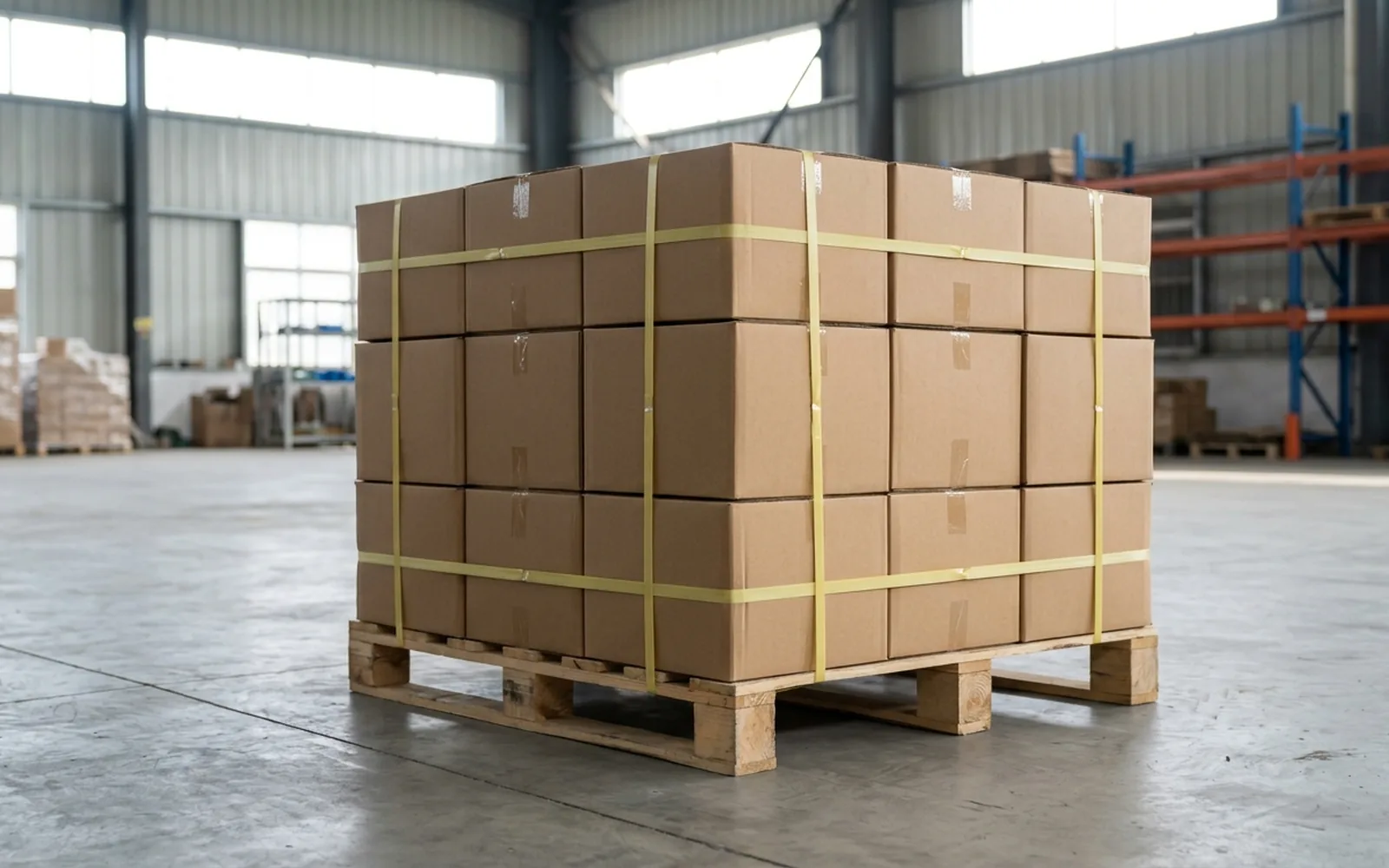
Packing is specified against the actual risk rather than to a general standard. Ceramic ships individually foam-boxed inside double-wall master cartons, because bulk-packing to save cents reliably costs more in replacements. Glass ships partitioned so that no two bottles touch. Brass censers pack ten per carton rather than twenty because an overweight carton arrives damaged. Incense ships with desiccant because moisture is the failure mode.
Documentation goes to your broker ahead of arrival as standard, not on request. The most expensive avoidable cost in agarwood importing is a held container accruing demurrage while paperwork is assembled retroactively. It is entirely a matter of sequencing.
How mode is actually chosen, since this is where buyers most often pay for the wrong thing. Air is our default and it is what makes a no-minimum order possible at all: a carton does not have to wait for a container to fill. The trade is real — incense is bulky relative to its value, so air costs more per unit than sea and that cost sits with you. Above a few hundred kilos of incense the arithmetic turns and sea becomes worth the weeks. Oil is the opposite: high value, low volume, and often worth flying. A mixed order should usually be split across two modes rather than sent as one consignment on the slower of the two.
Packing is specified against the transit risk rather than to a house standard. A route with two transhipments and manual handling at destination gets different packing from a direct sea leg into a mechanised port. Tell us the route when you order, not after the first damaged delivery. Coils and ceramics are where this decision shows up most; sticks in rigid boxes are forgiving by comparison.
On documentation timing, which is really a freight question. We send the pack to your broker at dispatch rather than on request. That is not a courtesy, it is the single most effective way to prevent a hold. Give us the broker contact at order stage and it happens automatically.
One number worth knowing before you plan a season, if you are going by sea. Sea freight door to door on the long routes runs eight to ten weeks. That is before any customs step. Work backwards from your shelf date with that figure and a two-week buffer. Buyers who plan forwards from the order date are the ones who end up paying for air freight to rescue a programme.
A note on insurance, which buyers routinely under-specify. Incense is low value per cubic metre and ceramics are fragile. The two failure modes are different and so are the covers. Decide which risk you are actually insuring against before you pick a policy, and check whether it covers transhipment handling rather than only the sea leg.
A closing note on tracking. We send the booking reference and the carrier tracking link at dispatch rather than on request. If a leg slips, you hear it from us before you hear it from the carrier portal. That is not a service feature so much as the minimum required for you to manage your own shelf date.
And one thing to specify that buyers usually forget: who pays for and arranges the destination leg. Agreeing the incoterm at quotation stage removes the single most common source of a surprise invoice.
A note on consolidation, which is where smaller buyers lose the most margin. Below a full container, freight per unit rises steeply, and the temptation is to over-order to reach a break. Usually the better answer is to consolidate across SKUs rather than to deepen one. Tell us what else you are ordering and we will pack to fill rather than to a per-line convenience.
Express courier. Samples and oil in small quantity. Three to six days. Expensive per kilo and worth it below about five kilos.
Air freight. Our default, and the reason there is no minimum order. Five to ten days door to door on any line. Costs more per unit than sea on bulky goods, and that cost is quoted to you separately rather than buried in the unit price.
Sea LCL. Worth it once incense volume is large enough for the per-unit saving to beat the weeks. Eight to ten weeks door to door on long routes. Consolidate across lines rather than deepening one SKU to reach a break.
Sea FCL. Established programmes. Best cost per unit and the packing can be optimised to fill rather than to per-line convenience. Tell us the whole order before we quote the parts.
Process
Step by step
- Step 1
Destination and timing
Tell us the port, the required shelf date and your broker.
- Step 2
Mode recommended
We propose express, air or sea based on value density and your timeline.
- Step 3
Packing specified
Fragile and moisture-sensitive lines get purpose-specified packing.
- Step 4
Documents sent ahead
Your broker receives the full pack before the goods arrive.
- Step 5
Tracking to delivery
Tracking shared at dispatch; we stay on it until it lands.
What you receive
Deliverables
- Freight mode matched to value density and lead time
- Packing specified against the actual transit risk
- Fragile lines double-boxed rather than bulk-packed
- Desiccant packing on all incense and powder
- Documentation sent to your broker before arrival
- Consolidated shipments across product lines
Watch
Packed and stacked for transit
Finished incense sealed and stacked into retail packaging.
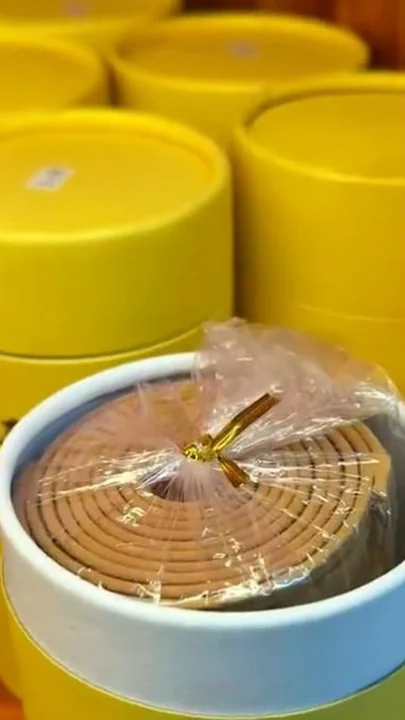
Packed and stacked for transit
Finished incense sealed and stacked into retail packaging.
Buyer Questions
Incense bulk wholesale — frequently asked questions
Should I ship oils by express or consolidate with a sea shipment?
Express, essentially always. The value per kilogram makes sea freight a false economy. The tracking granularity matters when a consignment is worth more than the vehicle carrying it. Consolidate sticks, powder and hardware instead.
Can you consolidate across product lines?
Yes, and it is usually worth doing on sticks, powder and hardware. Oils and koh-grade material we would generally recommend shipping separately by express regardless of what else is moving.
How do you reduce the risk of a held container?
By sending the paperwork we issue to your broker before arrival rather than in response to a query, and by declaring materials explicitly on the commercial invoice. Retroactive paperwork against a held container takes weeks while demurrage accrues.
Ordering, lead time, payment, shipping and claims are answered in full on the buyer FAQ.
Other services
What else we handle
OEM / Private Label
Your brand on our production. Custom format, blend ratio, packaging and print, with a pre-production sample before every main run.
Sample Service
Buy a small quantity of the exact batch first. We then reserve the balance of that batch under your name for 30 days.
Export Documentation
We run the paperwork sequence so the pack is complete before the goods move. Most agarwood customs problems are paperwork problems, not product problems.
Authentication & Grading
Verification of what you actually have, including material bought elsewhere. Sometimes the answer is that it is not what you were told.
Enquire about logistics & shipping
Describe your situation in as much detail as you can. Specific questions get specific answers; generic enquiries get generic ones.