B2B Services
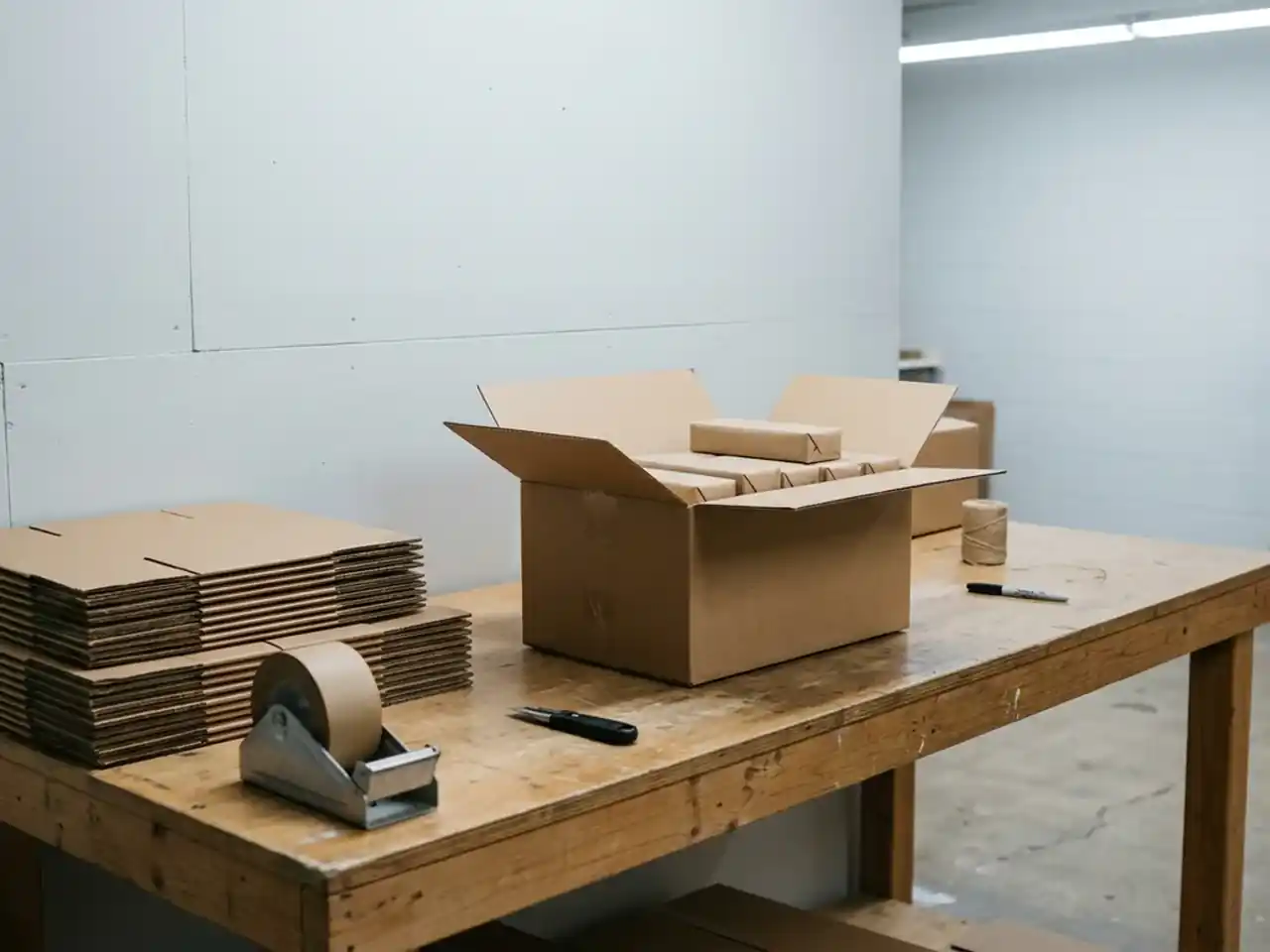
Custom Incense Packaging, OEM and What Else We Handle
Most agarwood orders that go wrong do not go wrong on the product. They go wrong on documentation, on an unvalidated private-label run, or on a batch nobody sampled first. These six services exist because of that.
Six services
Custom incense packaging and what else we handle
OEM / Private Label
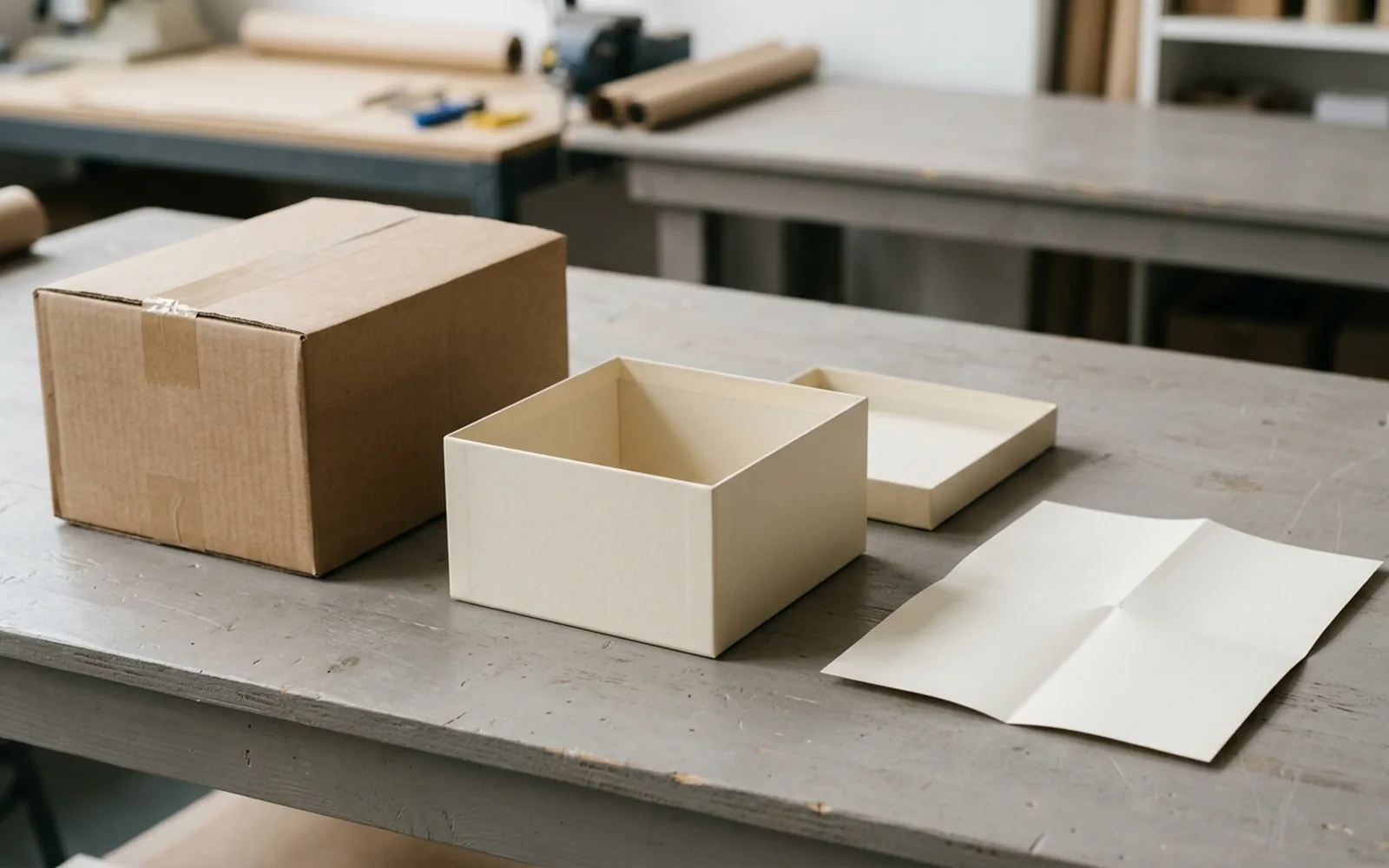
Your brand on our production. Custom format, blend ratio, packaging and print, with a pre-production sample before every main run.
Sample Service
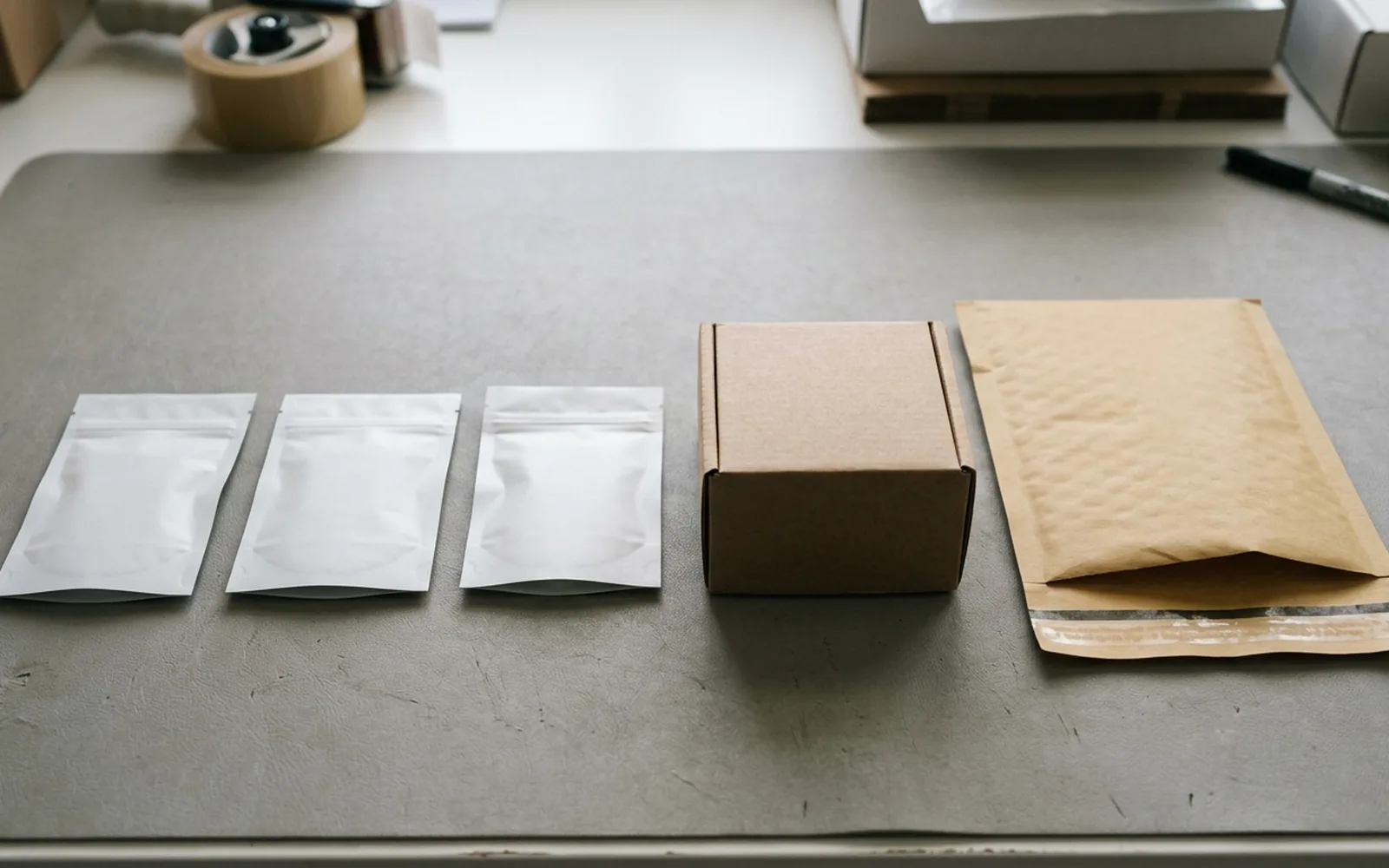
Buy a small quantity of the exact batch first. We then reserve the balance of that batch under your name for 30 days.
Export Documentation
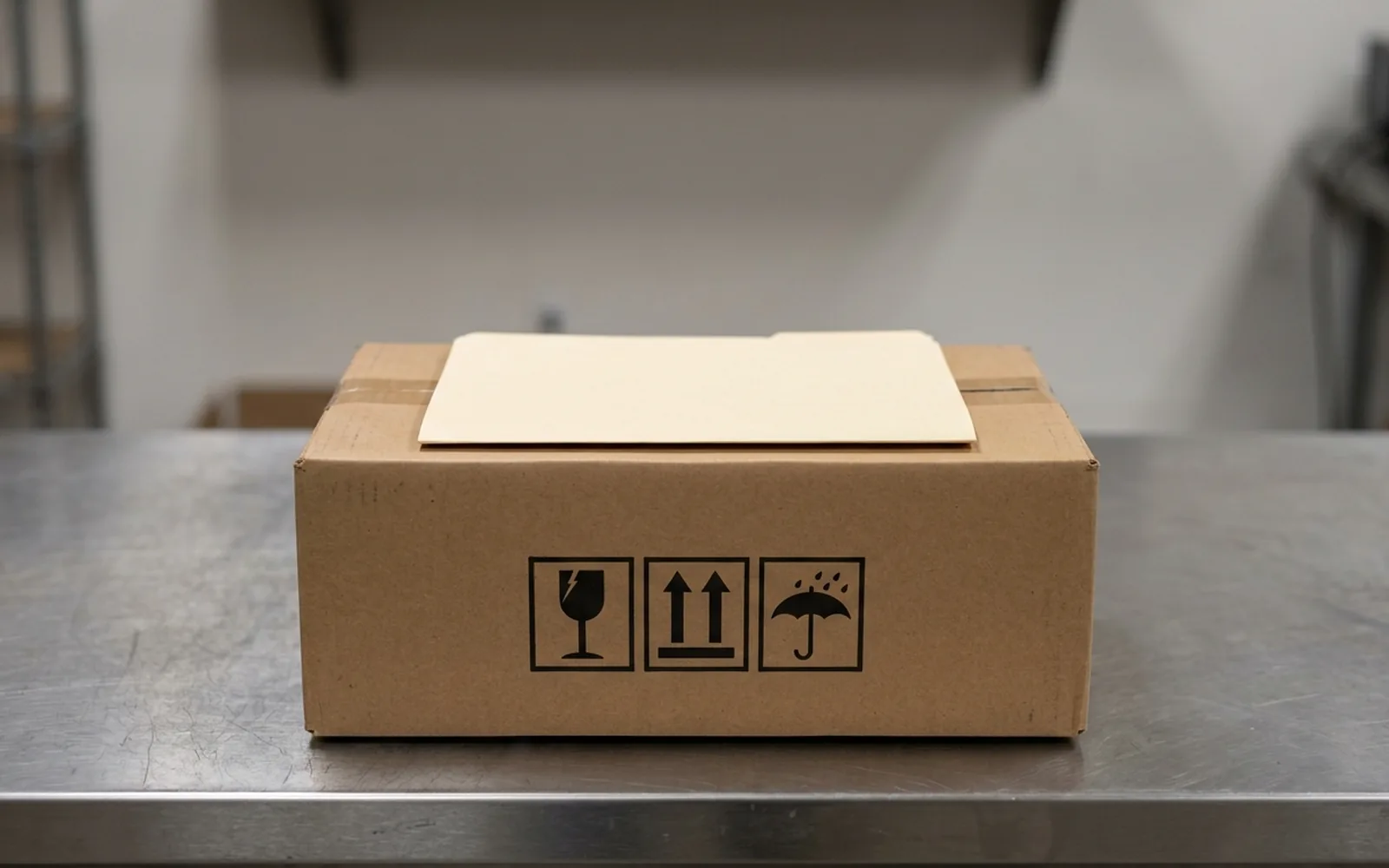
We run the paperwork sequence so the pack is complete before the goods move. Most agarwood customs problems are paperwork problems, not product problems.
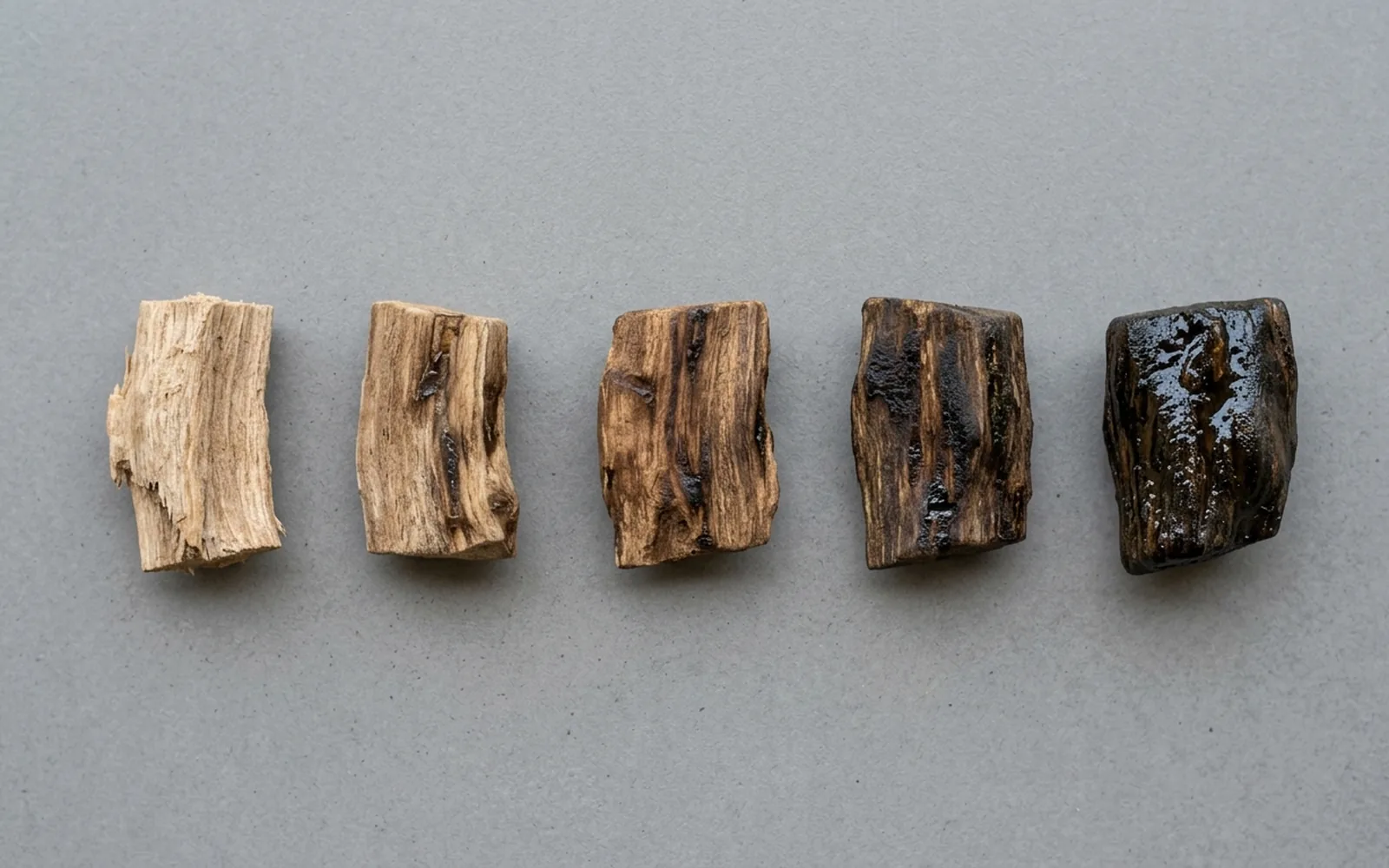
Authentication & Grading
Verification of what you actually have, including material bought elsewhere. Sometimes the answer is that it is not what you were told.
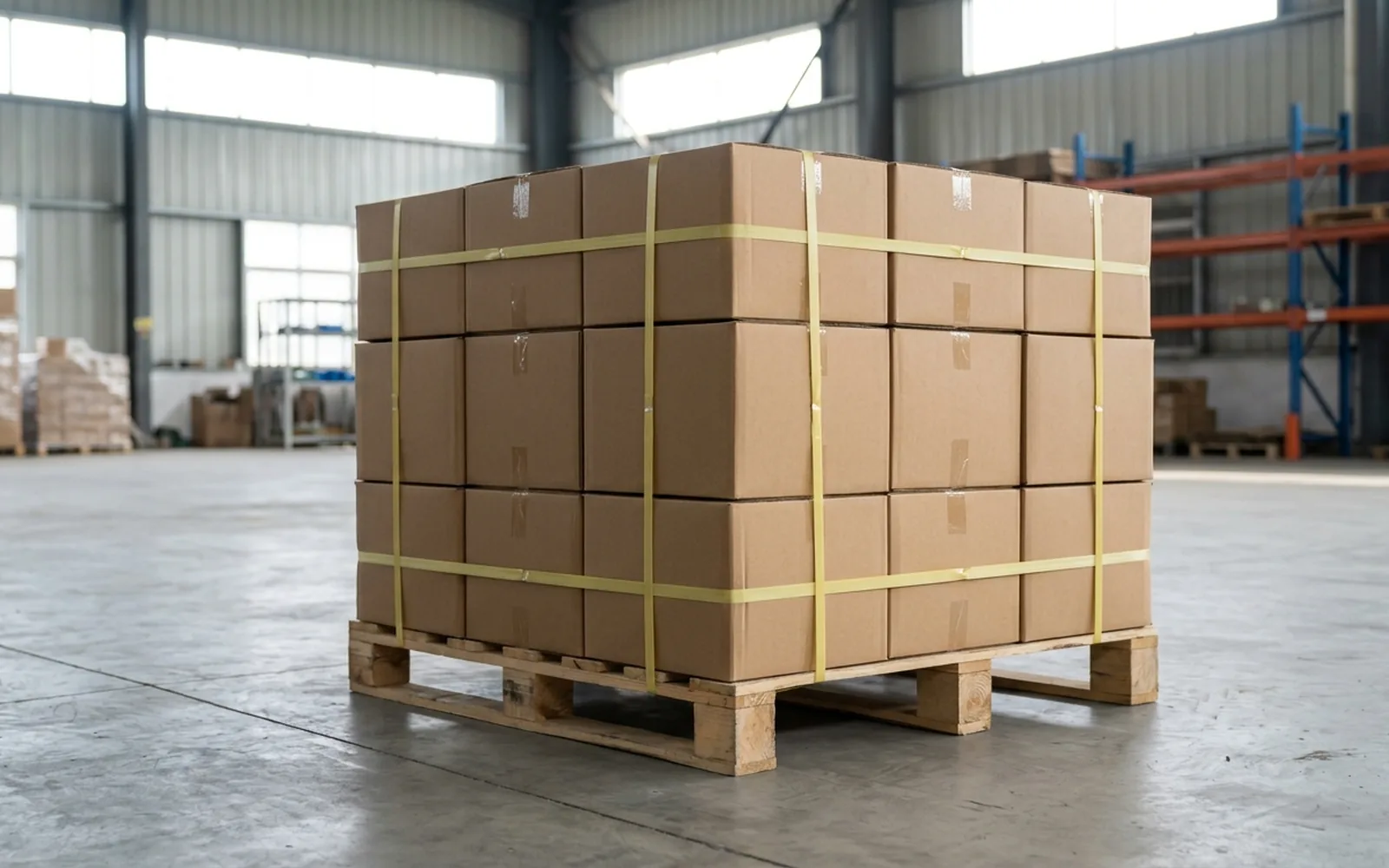
Logistics & Shipping
Air by default so a small order does not wait for a container, sea when volume makes the weeks worth it, and packing specified against the real transit risk rather than the cheapest option. Freight is quoted separately and charged to you.
Practicalities
Which of these you need first
Almost every first-time buyer needs two of these and thinks they need four. Sampling comes first, because it settles the specification. Documentation comes second, because it settles the route. Private label and authentication are usually later, and freight can be arranged once the first two are agreed.
If you are not sure, describe the situation rather than picking a service. We would rather tell you that you do not need something than sell it to you, because the wrong service early is how a straightforward programme turns into a slow one.
Watch
Finished goods and retail packaging
Incense coming off the floor and going into retail packaging.
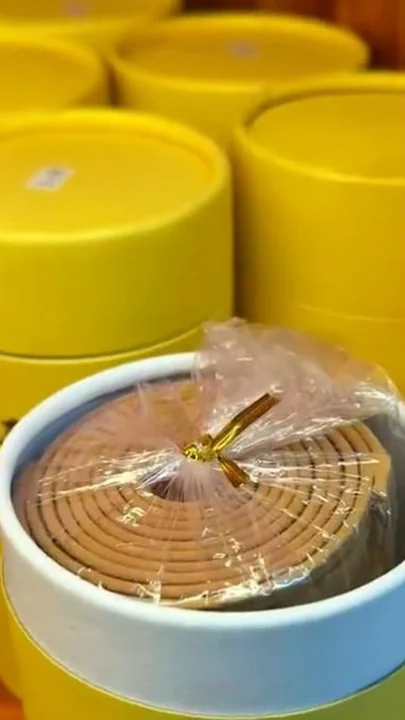
Finished goods and retail packaging
Incense coming off the floor and going into retail packaging.
Why these six
Where agarwood orders actually go wrong
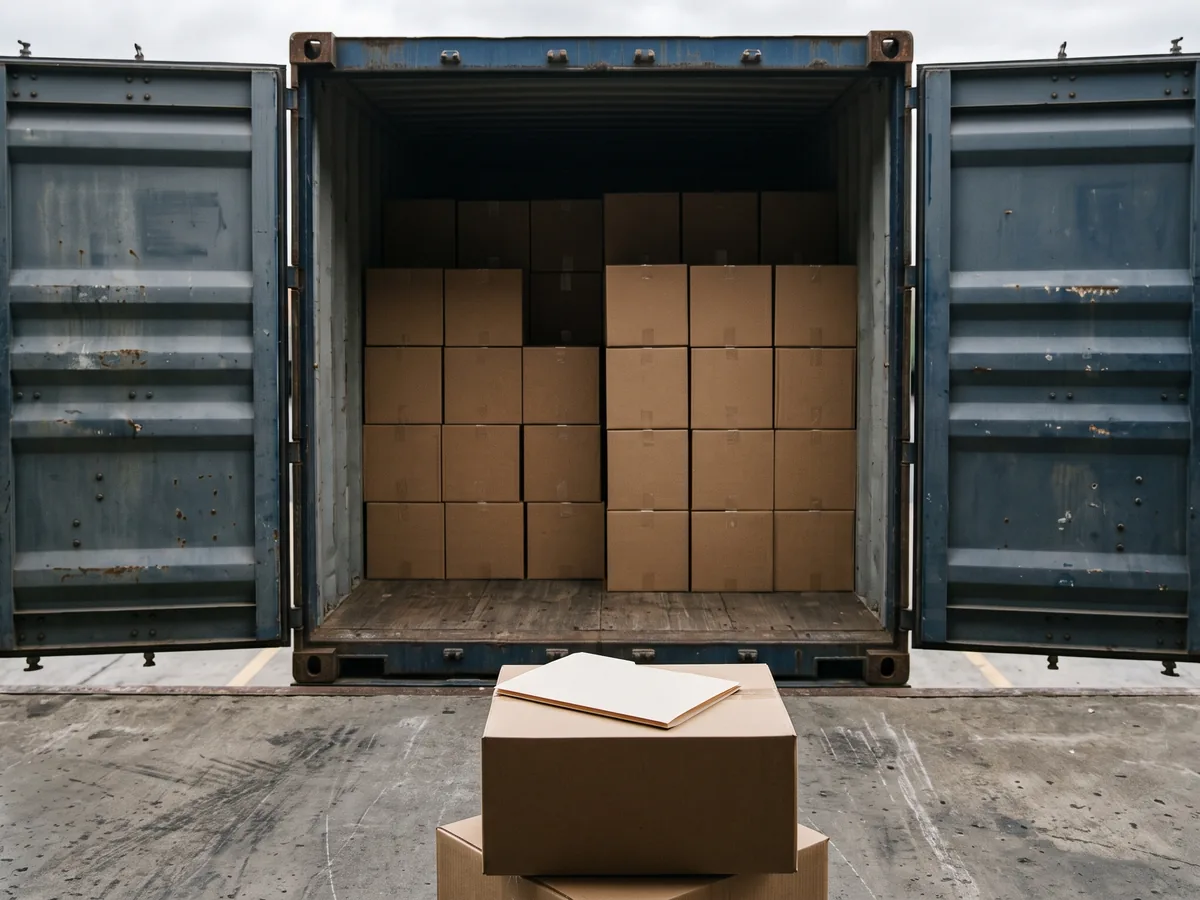
These services exist because of a pattern. Across the orders we have seen fail — ours and other suppliers' — the product itself is rarely the problem. The failures cluster in four places, and each of the six services above addresses one of them.
The first is documentation timing. A container held at the port because paperwork was assembled after dispatch rather than before it accrues demurrage for weeks. The storage cost routinely exceeds the freight. This is entirely a sequencing problem and it is entirely avoidable.
The second is committing to a private-label run on an unvalidated product. Tooling, artwork and a 500-box minimum spent on a SKU that turns out not to sell in your channel is the most expensive avoidable mistake in this category. The answer is to validate with stock packaging at low quantity first and convert on the reorder.
The third is buying without sampling the specific batch. On a variable natural product, approving a sample and then ordering weeks later against unreserved stock means you may receive something different. Batch reservation is what makes sample approval meaningful rather than ceremonial — without it, approval is a gesture toward a lot that has since been sold to someone else.
The fourth is having no way to settle a dispute. Without stated numerical specifications and a sealed retention sample, a disagreement about quality becomes a disagreement about memory, and memory in a commercial dispute reliably favours whoever is more confident rather than whoever is right. That is bad for the buyer and, over a long relationship, bad for us too.
What connects all four is that they are process failures rather than product failures. That is why they are solvable in advance and almost impossible to fix afterwards. A held container, an unsold private-label run, a batch that no longer exists and a dispute with no physical evidence all share the same property: at the moment they become visible, every cheap option has already expired. The services below are, in effect, a list of the decisions that have to be made early.
Start here
Which one do you actually need?
Buyers arrive with a situation rather than a service name. This maps one to the other.
| If this is your situation | Start with |
|---|---|
| “I want my own brand on the box” | OEM / Private Label |
| “I need to check the product before committing to quantity” | Sample Service |
| “My last shipment was held at customs” | Export Documentation |
| “I need written specifications I can hold a supplier to” | Quality Control |
| “I have material and I do not know what grade it really is” | Authentication & Grading |
| “I need this to arrive intact and on a date” | Logistics & Shipping |
If more than one row describes you, start with the sample service regardless. It is the cheapest way to replace an assumption with a fact, and every other decision gets easier once you have held the material.
Buyer questions
Questions about how we work
Do these services cost extra?
Documentation, quality control and freight coordination are part of supplying an order rather than line items on top of it. Paid samples are charged, because free samples in this category attract people who are collecting rather than buying. Independent laboratory work — GC-MS, additional residue screening — is passed through at the laboratory's cost. Authentication of material you did not buy from us is quoted case by case. Nothing gets billed without being quoted first.
Can I use one service without buying product from you?
Authentication and grading, yes — buyers regularly send us material bought elsewhere that they are unsure about. We would rather give an honest answer than have someone quietly stuck with a lot they cannot sell. The rest are tied to supply and do not make sense standalone. If you want a second opinion on something you already own, that is a legitimate request and we treat it as one.
Which service should I start with?
Almost always the sample service, whatever your eventual plan is. It is the only step that converts an assumption about the product into knowledge, it costs very little. Every other service becomes better-informed once you have held the material. The single most expensive sequence in this category is committing to a private-label run before anyone has evaluated the product it will contain.
How far ahead should I plan a seasonal order?
Work backwards from the shelf date with a ninety-day allowance for Ramadan, Eid or year-end gifting. That covers production, any permits your import route needs on a government timetable, inspection before the container seals, and sea freight with slack for a missed sailing. Planning forwards from today is how seasonal programmes end up air-freighted at three times the budget, or arriving after the season they were made for.
What if I need something not listed here?
Ask. These six cover what comes up repeatedly, not the limit of what we will do. The more useful answer is that we will tell you plainly when a request sits outside what we can do well — a referral costs us one order, while taking on work we are not equipped for costs a relationship.
Ordering, lead time, payment, shipping and claims are answered in full on the buyer FAQ.
Tell us what you are trying to do
Most of these services get used together. Describe the situation and we will tell you which ones you actually need — including when the answer is none of them.