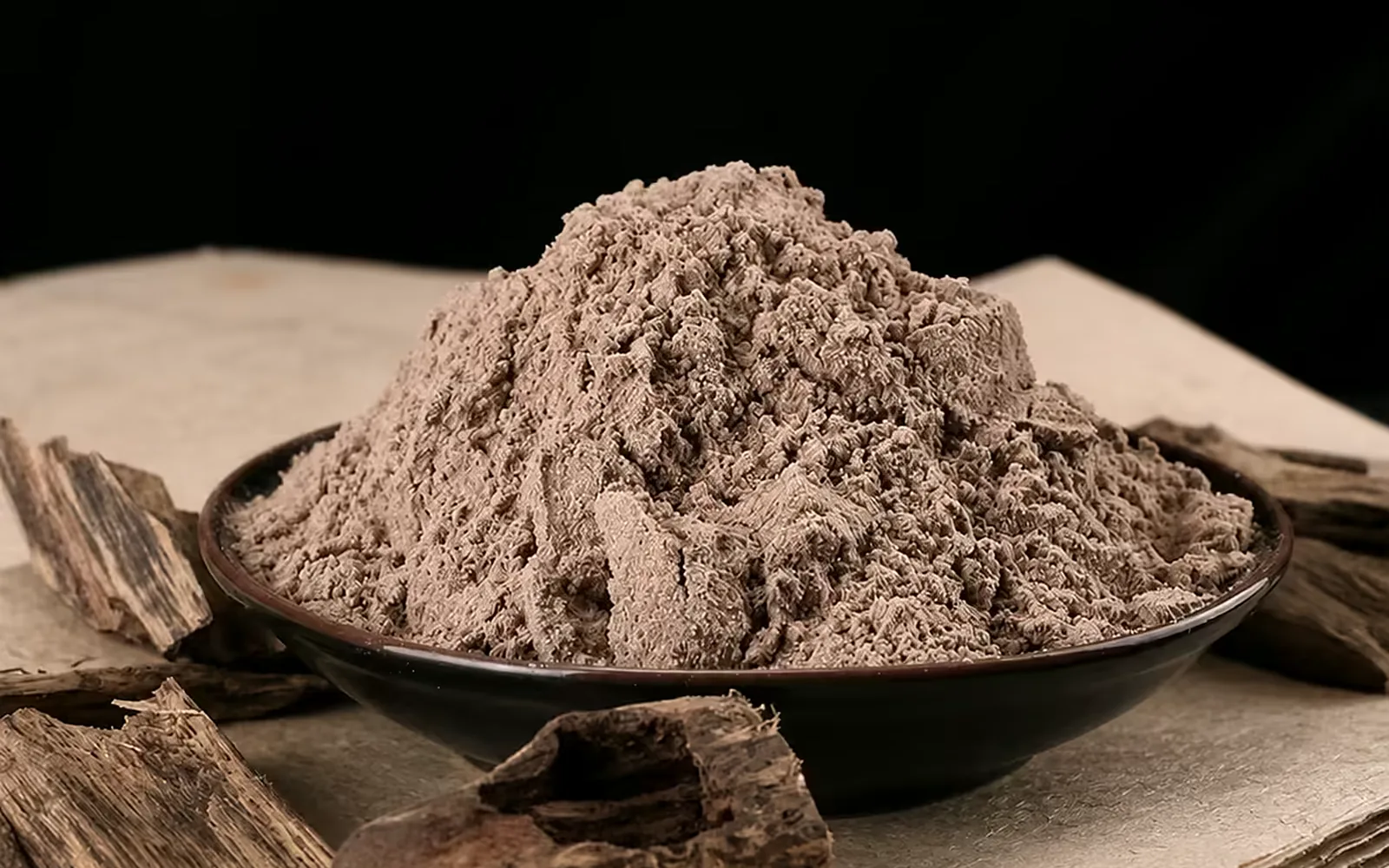
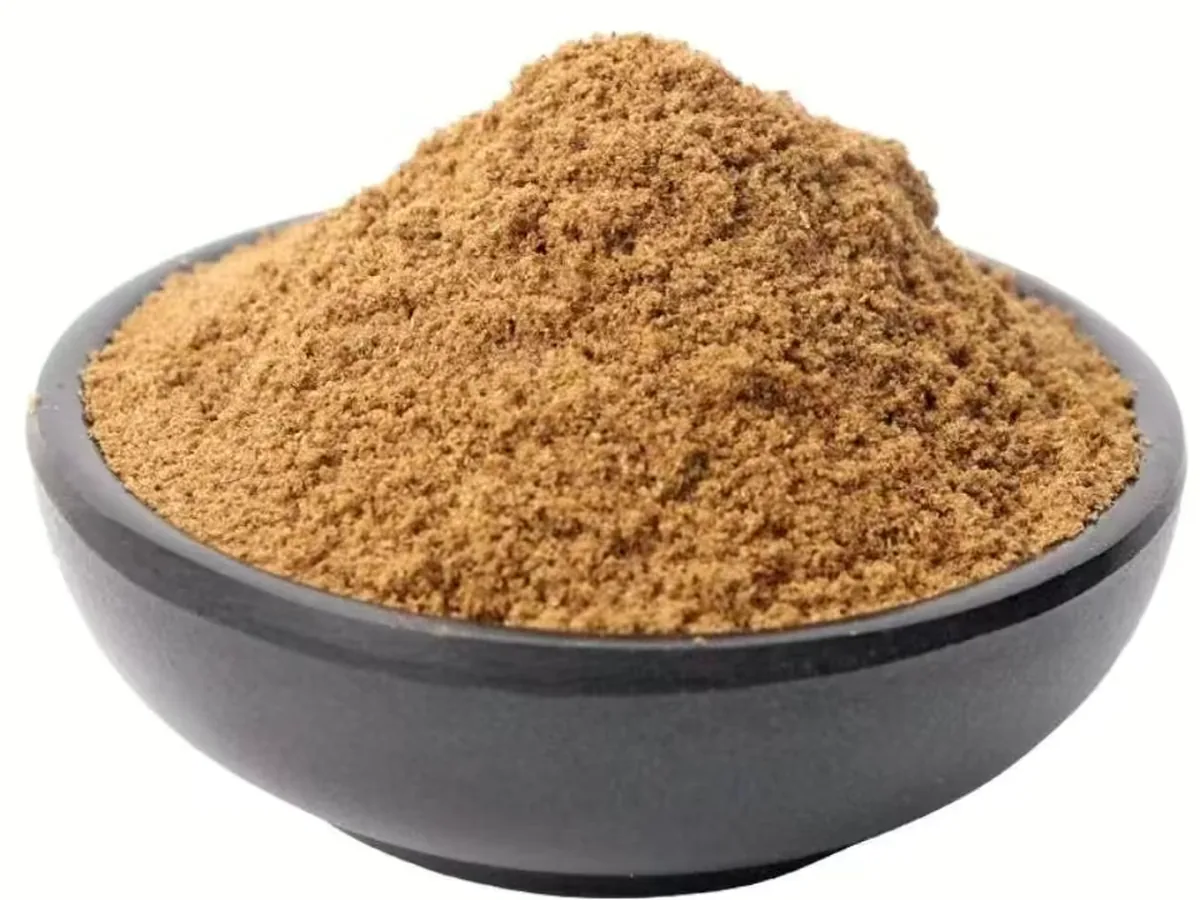
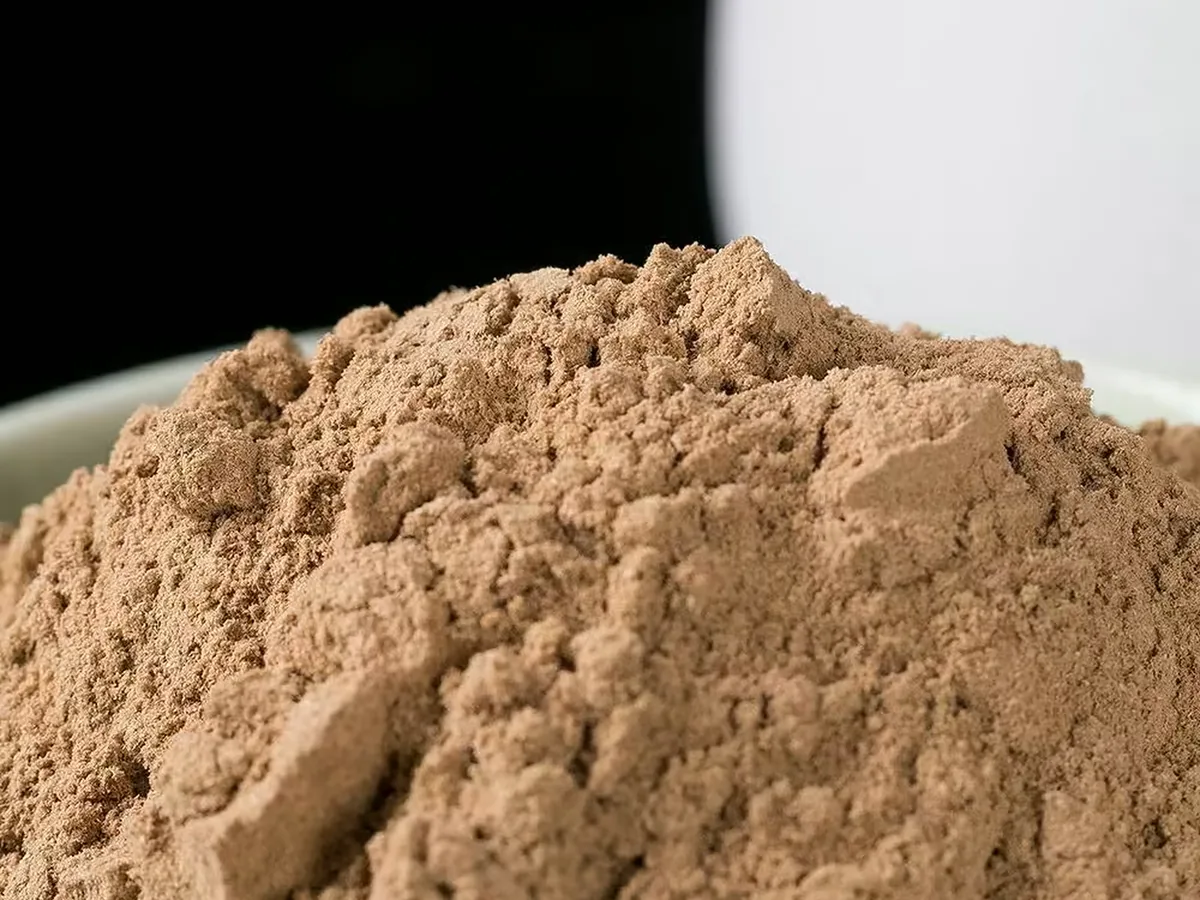
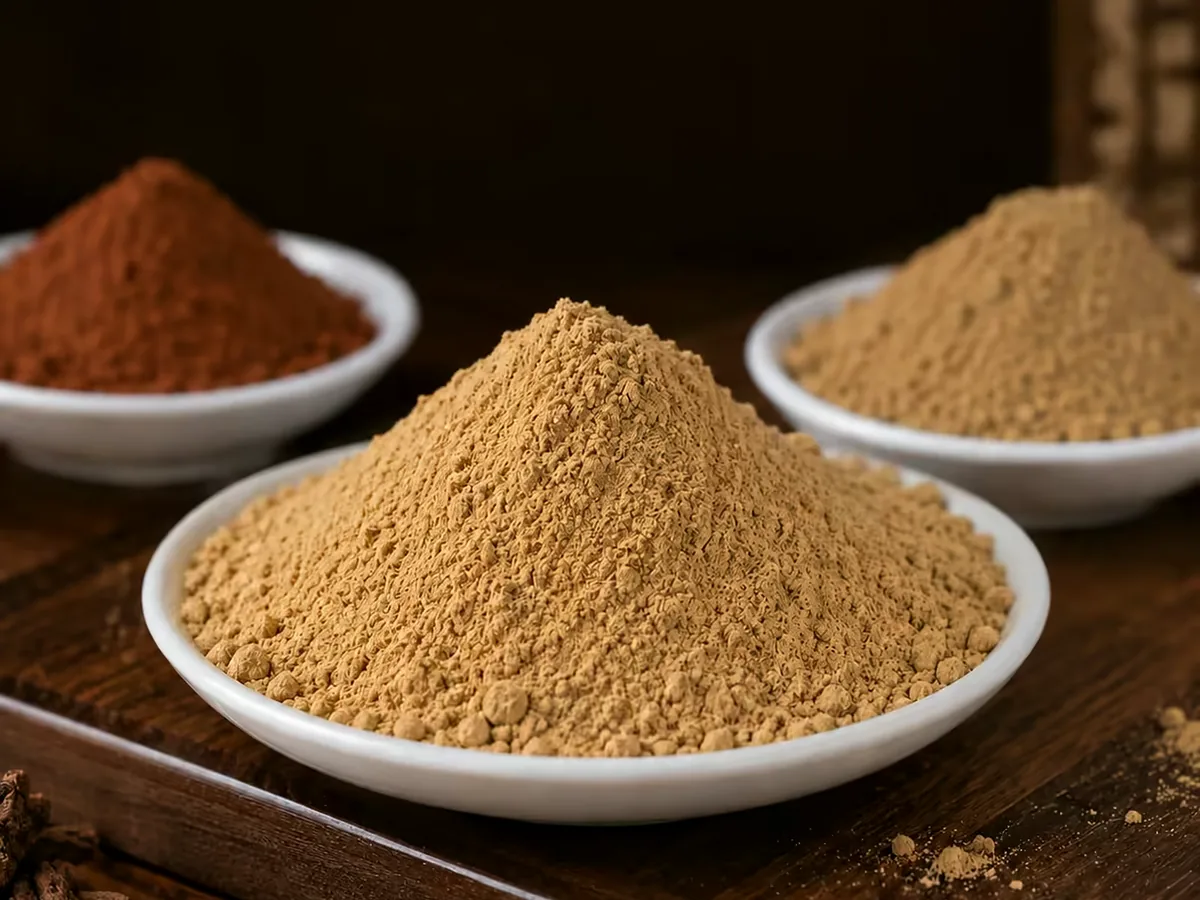
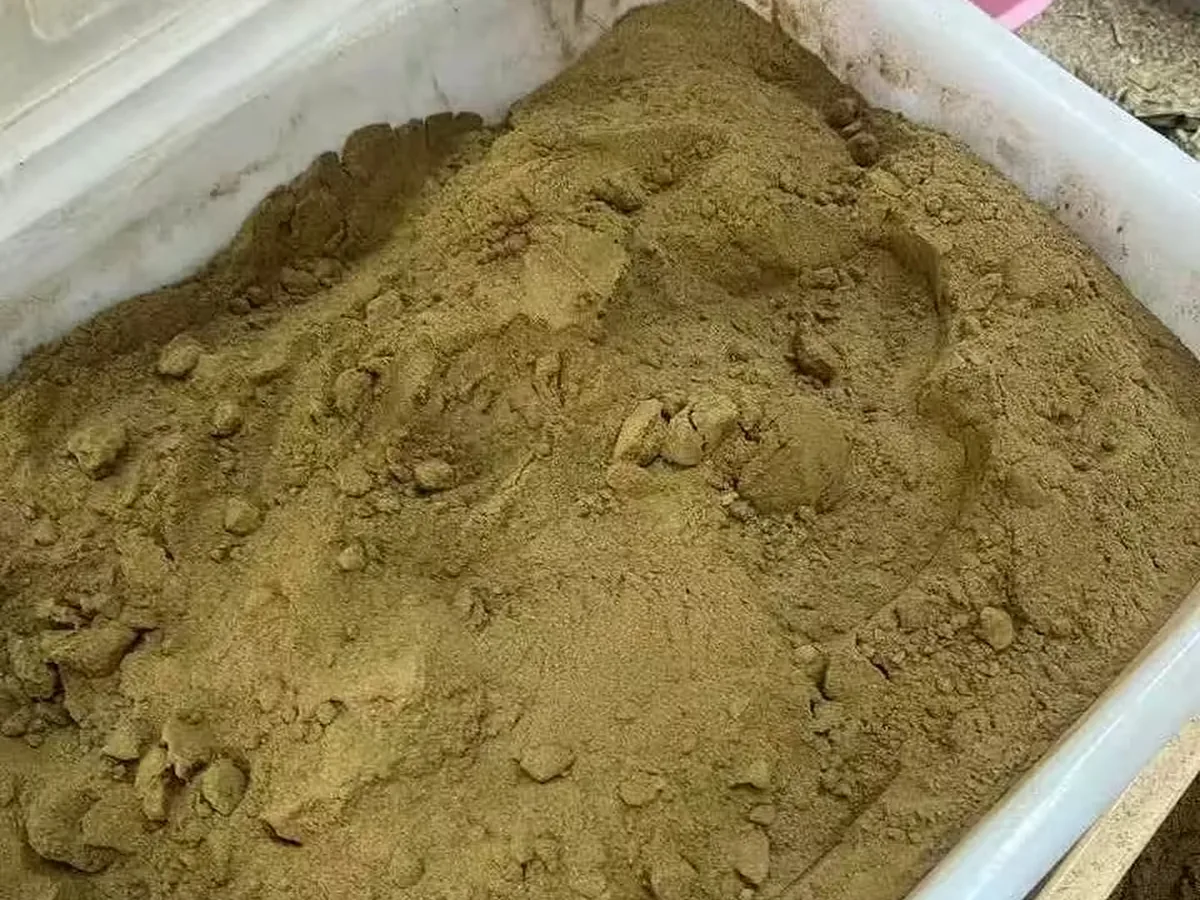
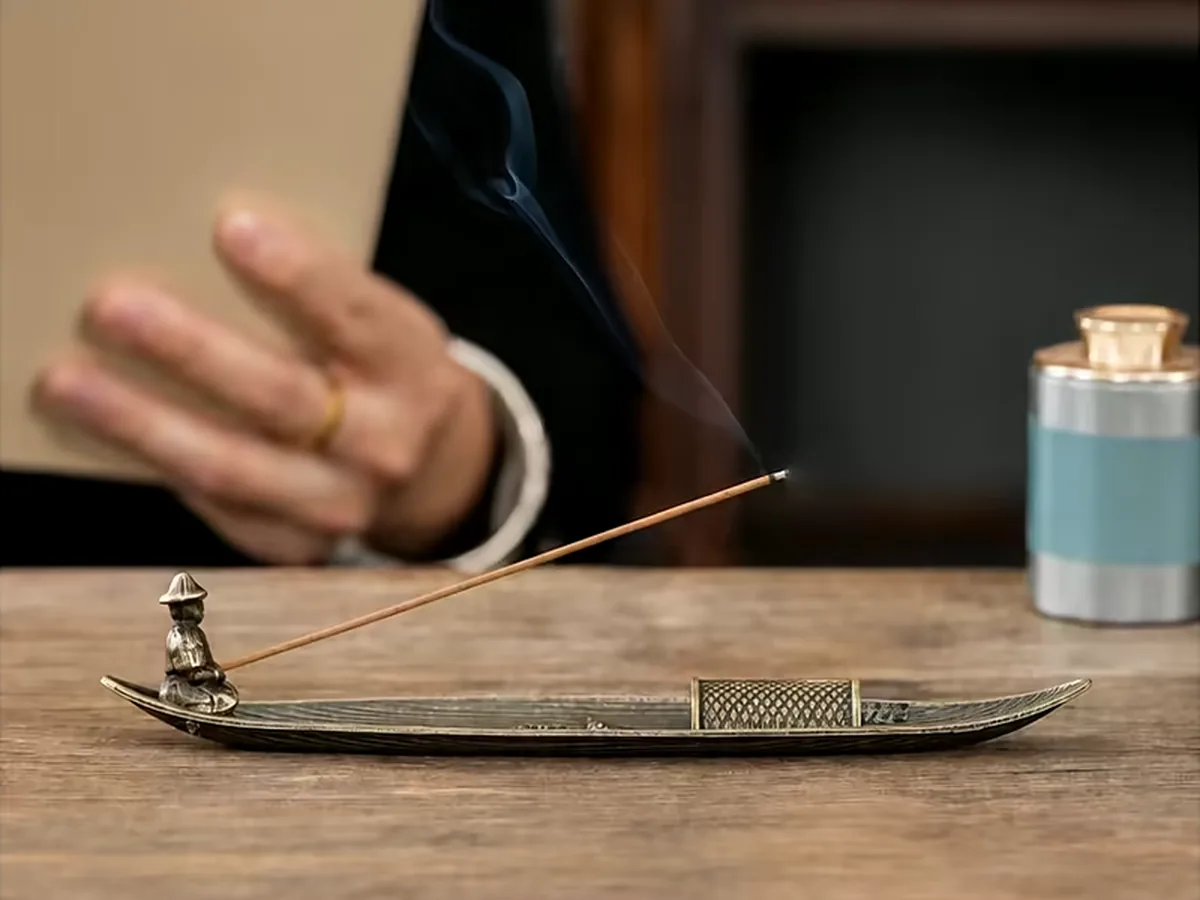
Agarwood incense powder is the least glamorous and most technically demanding product in the category. Unlike a finished stick, powder gives the buyer no visual cue about quality — two jars can look identical and behave completely differently. Everything therefore rides on three specifications you must nominate on the purchase order: mesh size, resin fraction and moisture content. A supplier who cannot state all three is not a supplier you should be buying powder from.
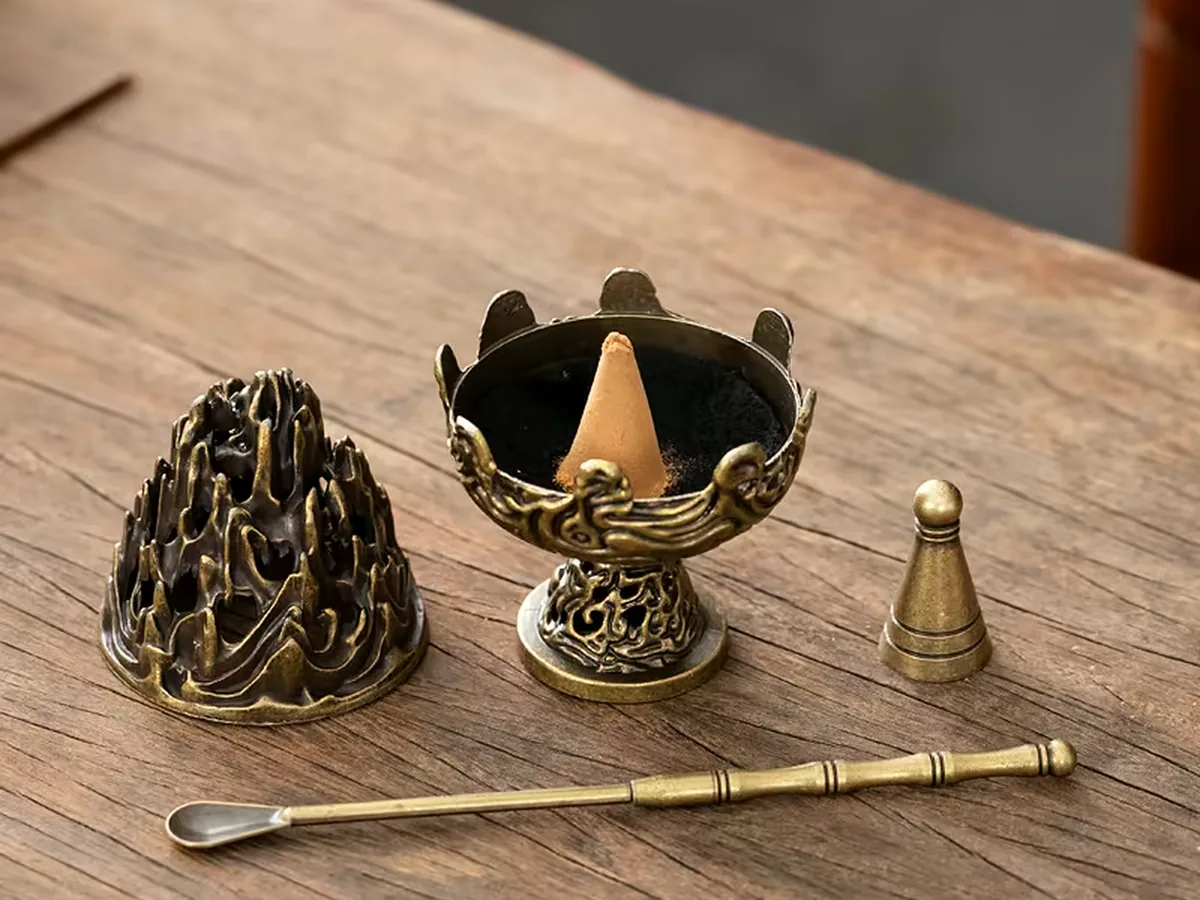
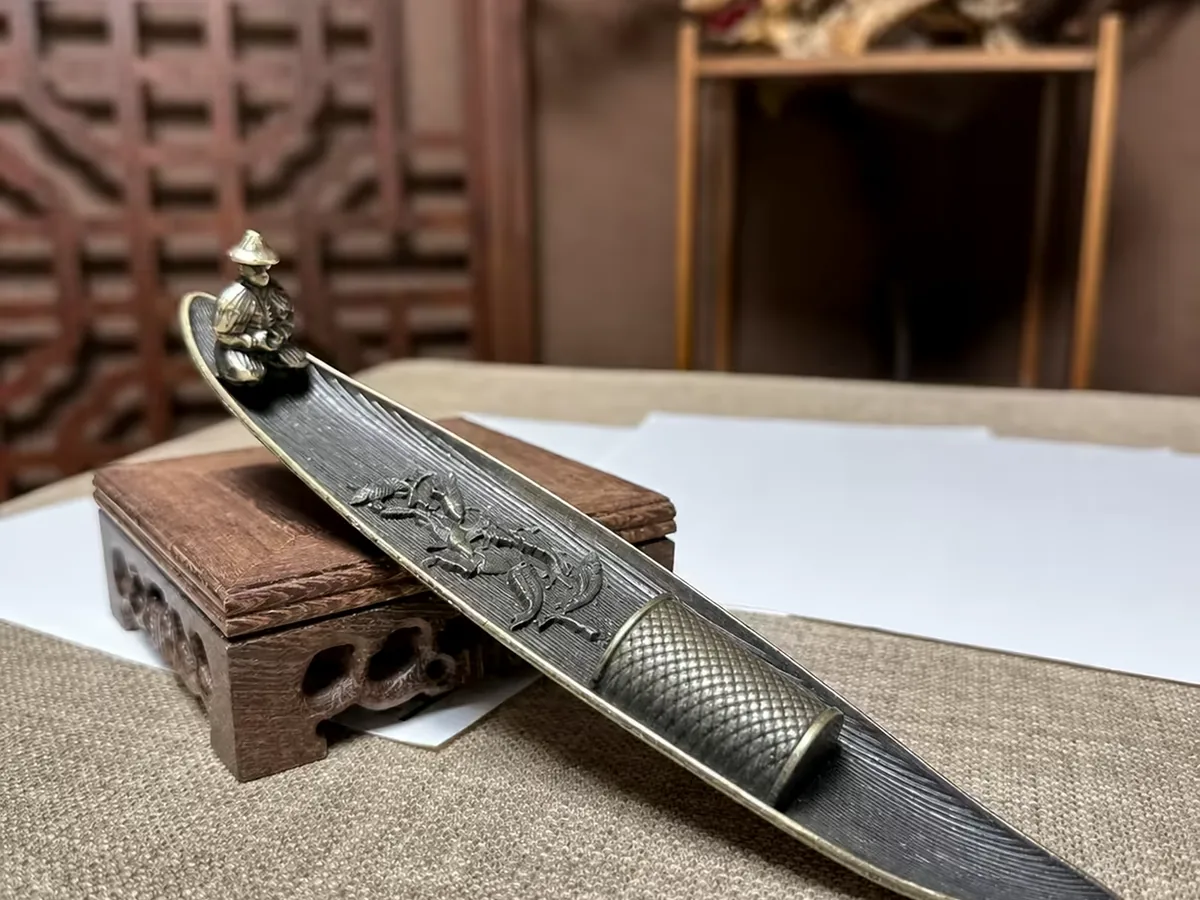
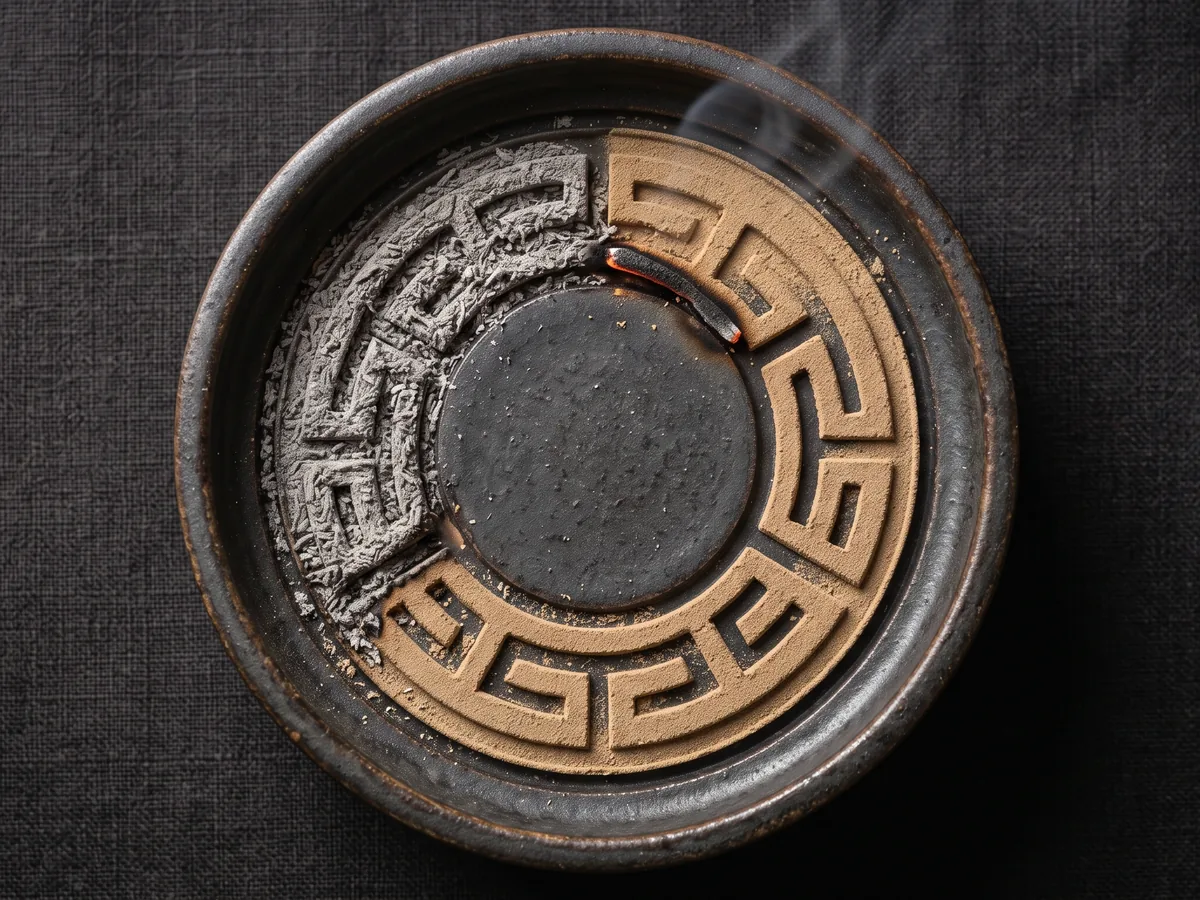
Mesh size is driven by application. Seal incense (香篆, kōdō monkō trails) needs a fine, free-flowing powder, and 120 mesh is the practical standard. The powder has to hold a narrow raised pattern without collapsing. Then it has to propagate a flame front along that pattern without breaking. Too coarse and the trail crumbles; too fine and it packs down and self-extinguishes. Electric burners are far more forgiving and run well on 80 mesh. Stick manufacturers usually want 80 to 120 depending on their extrusion equipment. Coarse 40 mesh is mainly for direct-heat burning where you want visible particles.
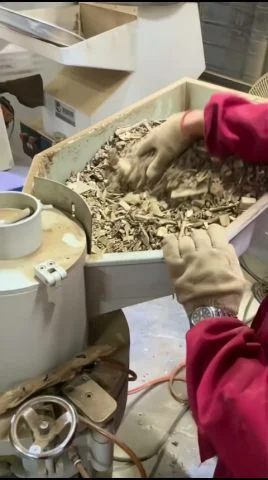
Resin fraction is what you are actually paying for. Agarwood is not uniformly resinous — the same tree yields material ranging from barely-infected white wood to dense, dark, oil-saturated heartwood. Powder made predominantly from low-resin material is cheap, pale and thin-smelling; high-resin powder is dark, slightly oily to the touch, and clumps very slightly under pressure. We grade our powder by source fraction rather than by an arbitrary letter scale. We will tell you exactly which part of the tree a batch came from.
Moisture is the specification most buyers forget and most shipments fail on. Agarwood powder is hygroscopic. Powder packed at 12% moisture in a humid coastal factory will cake in the jar, flow badly, and self-extinguish in a seal-incense press — and the buyer will blame the resin content. We dry before packing and seal inside a foil barrier with desiccant. What we will not do is quote you a moisture percentage: we do not own a meter, and on a page that asks you to buy on stated numbers, a number with nothing behind it would be the worst thing here. If you are re-packing into retail jars at your end, do it in a controlled environment or you will undo the work.
On blending: we supply powder pure and unblended, and that is deliberate. Pure agarwood powder does not bind well on its own — traditional practice blends it with makko — but the ratio is the single decision that most determines how a finished stick behaves. And it belongs to whoever is running the extruder. Most stick production sits between 18% and 22% binder: below that the sticks break in the box, above that the scent flattens and the burn slows. Buy pure, blend to your own equipment, and you keep control of the variable that matters.
Documentation follows the same discipline as our stick line. Powder attracts more customs scrutiny than finished goods because it is harder to identify visually. So we recommend buyers request the GC-MS profile as part of the shipping pack — it converts an argument about what the material is into a document. Confirm the permit and certificate requirements for your import route with your broker before booking. They vary by destination and by product form.
A word on how to specify a powder order so that both sides know what was agreed. Four lines are enough: mesh, resin fraction, moisture ceiling and pack size. If your purchase order says only ‘agarwood powder, 5 kg’, you have delegated three decisions to whoever picks the order. And the batch you get in six months will not match the one you approved. Write the mesh as a number, write the moisture as a ceiling rather than a target, and name the pack format. The difference between one 5 kg foil bag and ten 500 g bags is significant once you are repacking at retail.
Sampling powder is different from sampling sticks, and the difference catches buyers out. A finished stick can be judged by burning one. Powder has to be judged in the application you intend to use it in, because mesh and flow interact with the equipment. A powder that presses a clean seal pattern may burn unevenly on a mica plate. A powder that behaves beautifully in an electric burner may pack down and self-extinguish in a press. Ask for the sample in the quantity you will actually work with. Fifty grams is enough to test a press. It will tell you more than 500 g sitting in a jar.
On shelf life and repacking. Sealed in the foil barrier with desiccant, powder holds its specification for around 24 months. Once you open it, the clock is governed by your own environment rather than ours. If you are repacking into retail jars, do it in one session rather than opening the bulk bag repeatedly, and reseal with the original desiccant between runs. The failure mode is gradual: the powder does not spoil, it simply gains a percentage point of moisture at a time until the day someone reports that the trail keeps going out. By then the cause is three months behind you.