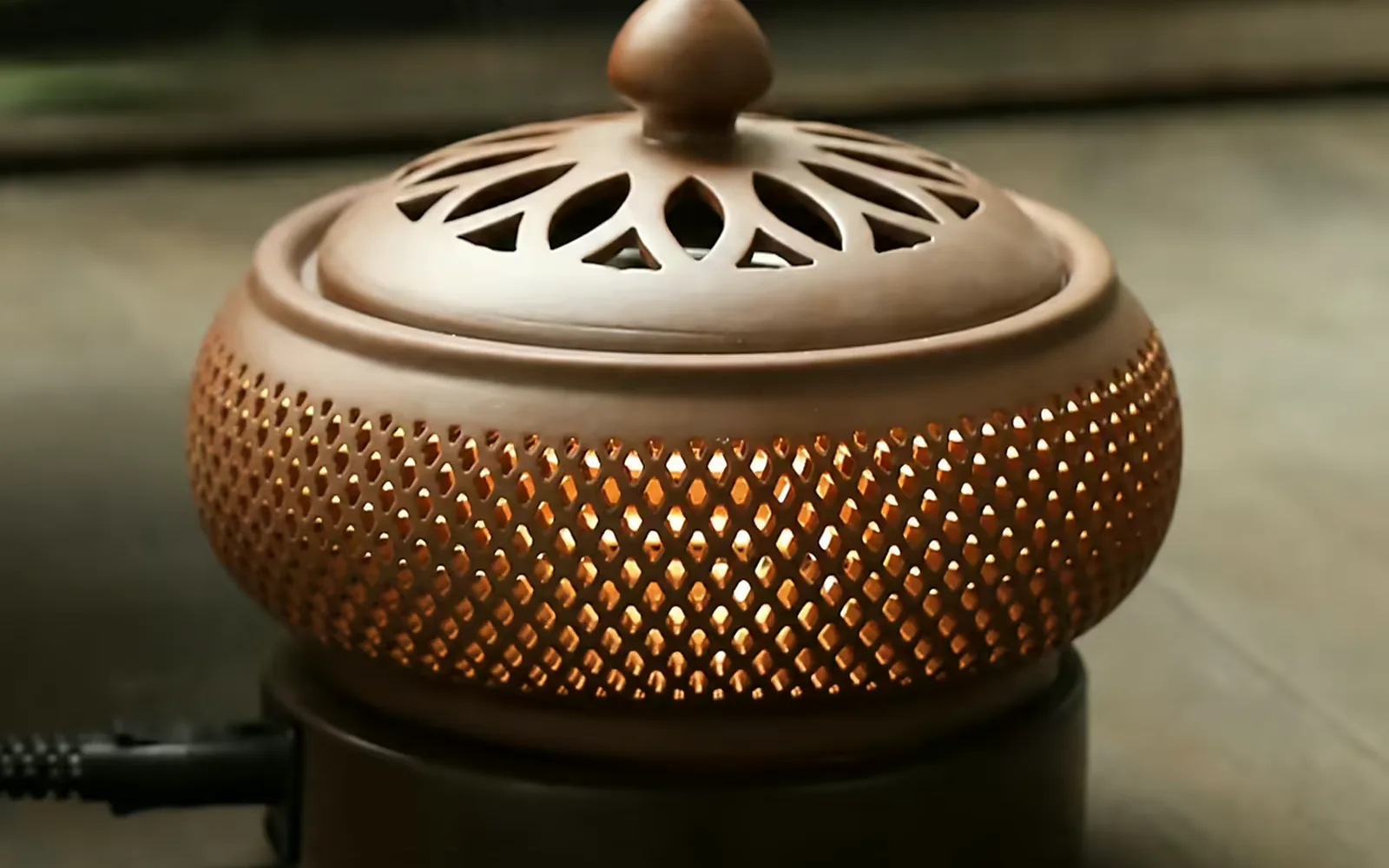
Japanese Koro — High-Fired Ceramic Censer for Powder and Chips
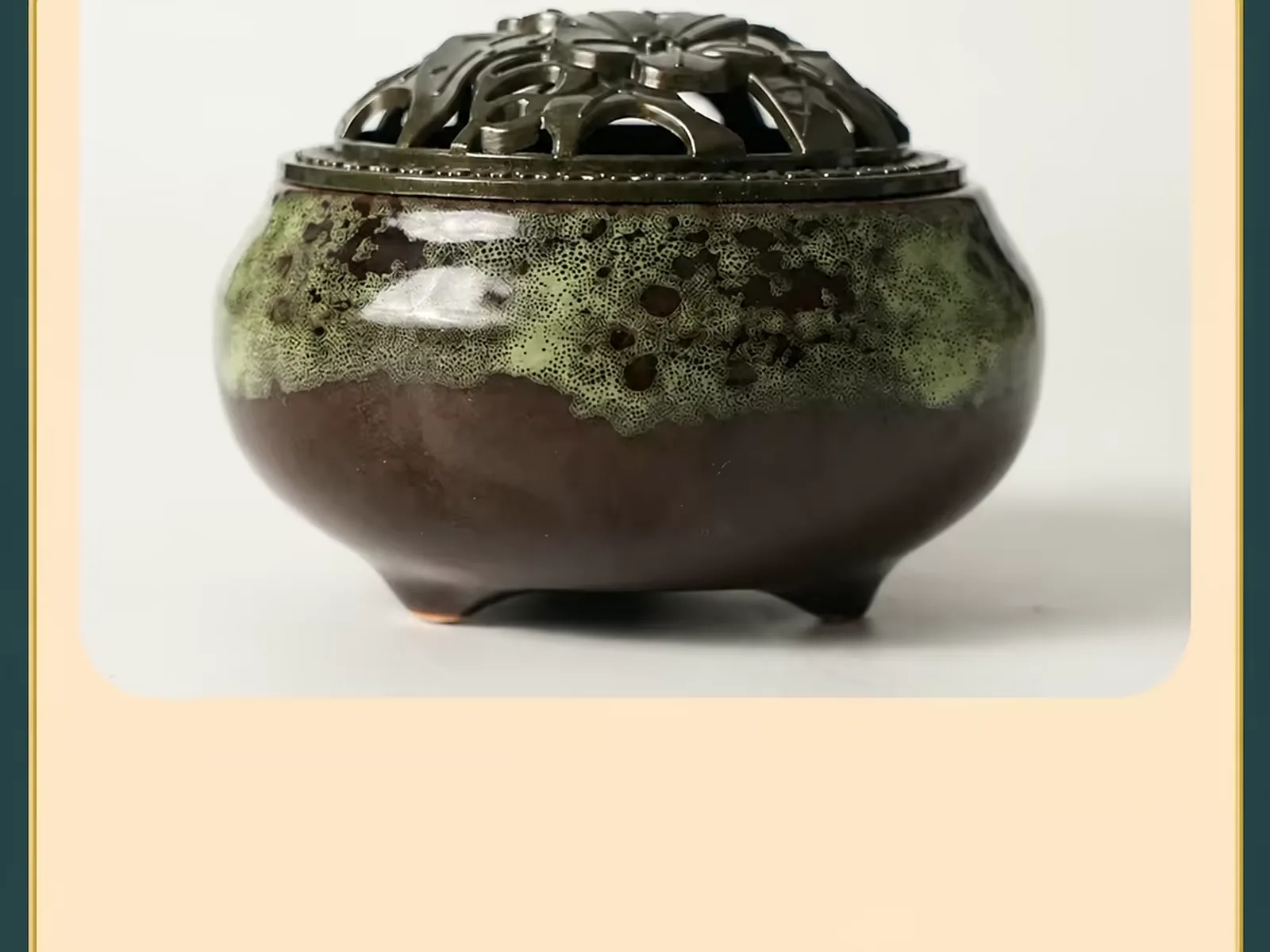
High-fired stoneware with a pierced lid; evaluate the vessel, heat source and intended material together.
Price depends on the product, grade, quantity, packaging and destination. Send those details to begin a quotation. We aim to reply within one business day; further specification or document checks may be needed before a formal price.
- Confirm dimensions and material
- Evaluate a sample before wholesale
- Check fit with the intended product
- Agree packing and inspection requirements
Why this one
What makes Ceramic Koro Censer different
High-fired stoneware body
This is the specified vessel material. We do not publish a measured thermal-shock lifetime or a guarantee against crazing.
Pierced lid
The lid openings affect airflow and heat loss. Assess the actual vessel and materials; there is no published measured draw or session-duration result.
Ash-bed usage card
The card explains the intended setup. It is not evidence of a measured reduction in support requests or a substitute for supervision.
Specifications
Full technical specification
Product specification
| Material | High-fired stoneware |
|---|---|
| Body diameter | 95 mm |
| Height with lid | 105 mm |
| Ash bed capacity | 120 g |
| Heating method | Charcoal beneath ash supplies heat; a mica plate can separate the aromatic material from direct heat |
| Lid | Pierced; no measured airflow or session-duration result is published |
| Glaze options | Celadon · tenmoku · matte white |
| Weight | 480 g |
| Individual pack | Foam-lined box |
| Carton quantity | 20 pcs per master carton |
| MOQ | None on stock items · custom glaze from 200 pcs |
| Lead time | Within 2 weeks on stock · 30–45 days custom |
No quantitative test-data table is published for this item. Nominal sizes, formulation details and packing counts are not evidence of measured tolerances, emissions or failure rates. Any independent analysis must be agreed for the named batch, with its method, scope, laboratory, cost and timing confirmed in advance; it is not automatically included with an order.
Product gallery
Ceramic Koro Censer — photo gallery
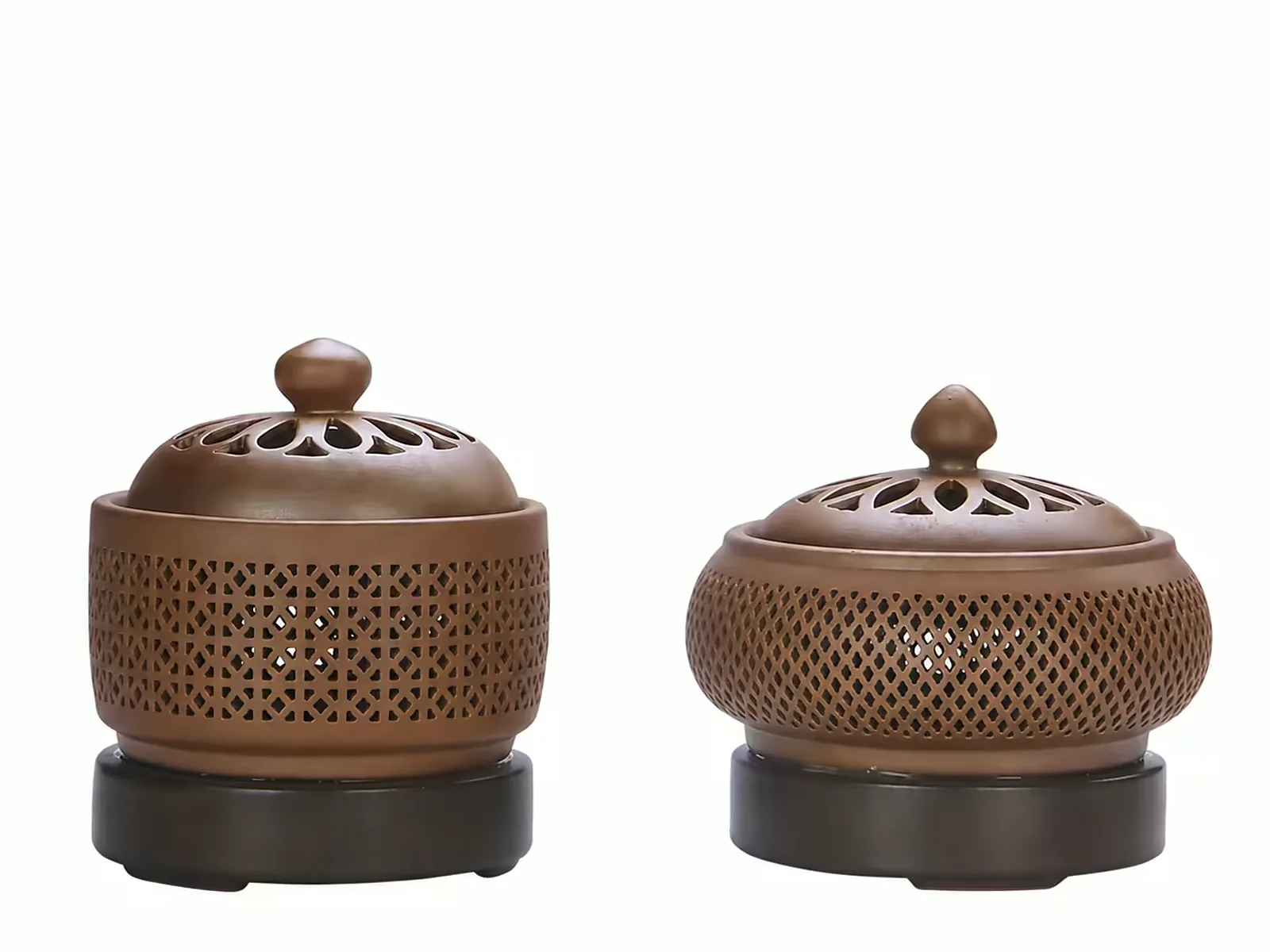
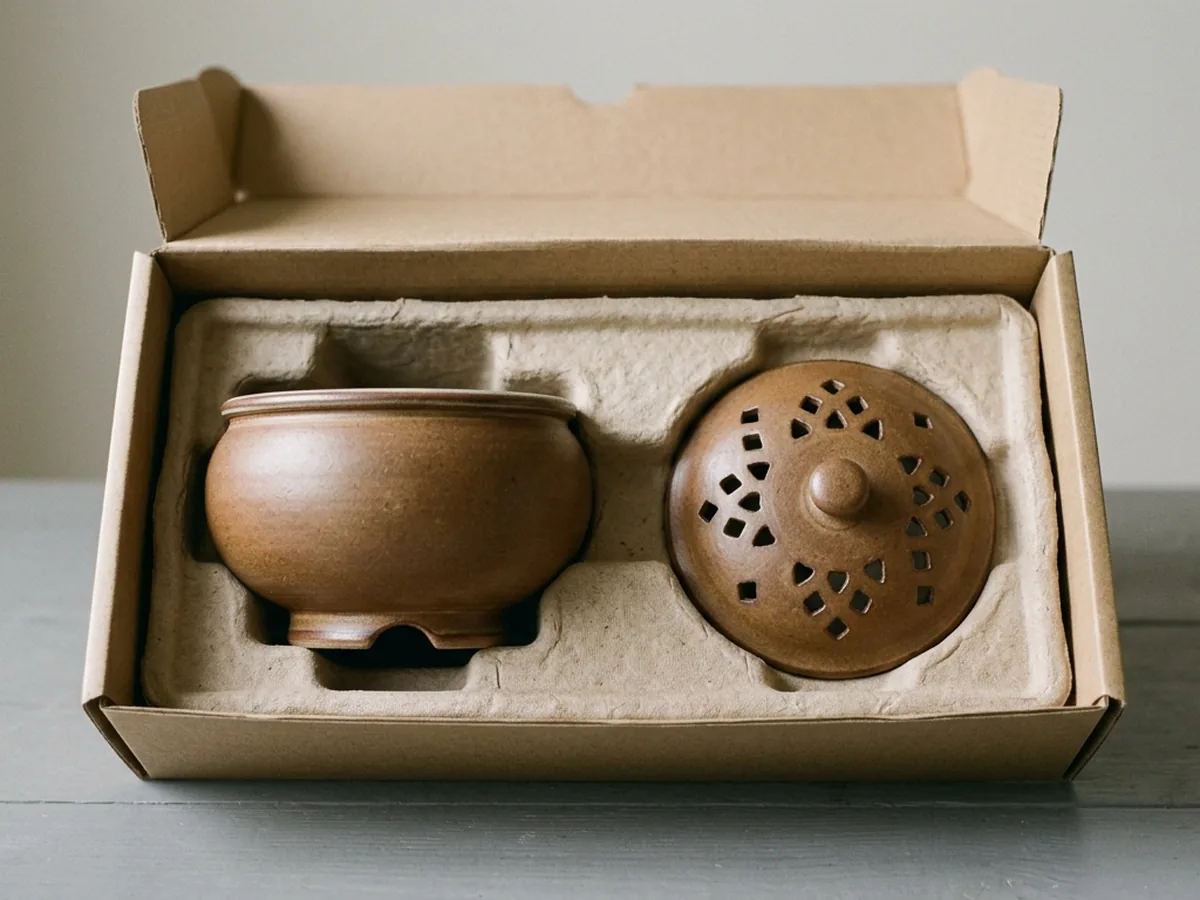
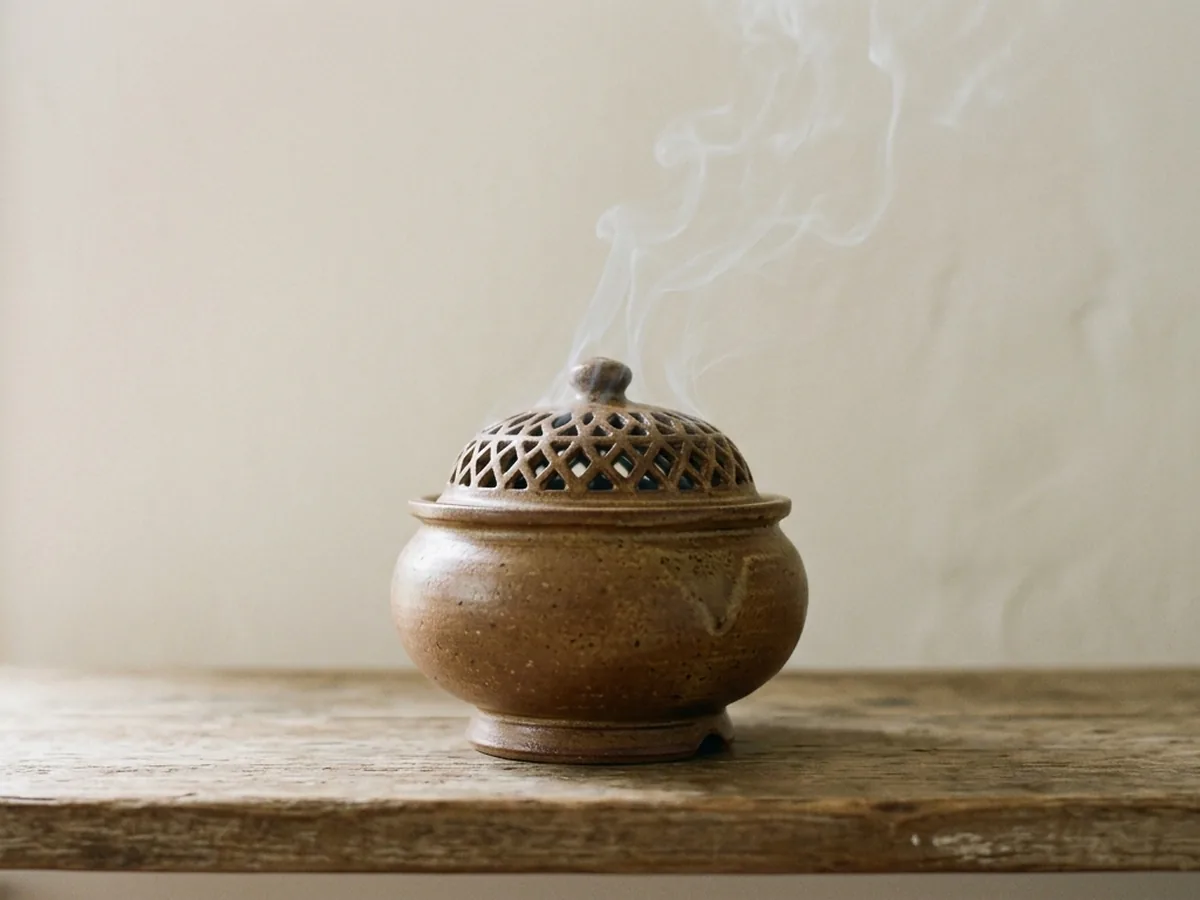
About this product
Ceramic Koro Censer — detail
The koro is a traditional heating option: charcoal provides heat beneath an ash bed, and a mica plate may be placed above it to separate the aromatic material from direct heat. The plate is not an alternative heat source. Confirm the selected vessel’s instructions and the intended materials.
The body is high-fired stoneware. We do not publish thermal-cycle durability, comparative lifetime or base-temperature results. Charcoal can heat both vessel and base: use a stable, non-flammable, heat-resistant surface, supervise the embers and let the vessel cool completely before handling.
The pierced lid affects airflow, heat loss and smoke movement. There is no published measured draw-test result or verified session duration. Evaluate charcoal, ash, aromatic material and lid together and do not assume an enclosed vessel removes smoke or fire risks.
The supplied usage card covers ash-bed setup. If heating or burning is unsatisfactory, inspect the actual arrangement rather than assuming all problems are user error. A card cannot guarantee correct performance or replace suitable ventilation and continuous supervision.
Packaging & OEM
Packaging and private-label options
- Foam-lined individual box with usage card covering ash-bed setup
- Master carton 20 pcs
- Bundles with mica plates and ash as a starter set
- Custom glaze from 200 pcs
Export compliance
| HS Code (indicative) | 6912.00 — ceramic household articles |
|---|---|
| Glaze | Lead and cadmium free, migration report on request |
| Firing | High-fired stoneware, not glazed earthenware |
| Warranty | Replacement for transit breakage above 1% |
Watch
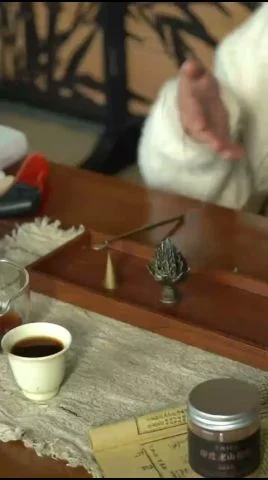
Related incense-use demonstration
An illustrative incense-use clip, not a demonstration or test of this ceramic koro SKU. Follow the instructions for the actual vessel and heat source.
Related incense-use demonstration
An illustrative incense-use clip, not a demonstration or test of this ceramic koro SKU. Follow the instructions for the actual vessel and heat source.
Buyer Questions
Japanese koro — frequently asked questions
Why high-fired stoneware rather than a cheaper glazed body?
The specified body is high-fired stoneware. We do not publish comparative lifetime or thermal-cycle test results. Inspect the selected vessel for damage and follow its instructions for heating, cooling and care.
Does a mica plate replace the charcoal?
No. Charcoal is the heat source. A mica plate can be placed above the charcoal and ash to separate the aromatic material from direct heat; it is not a heat source on its own. Follow the instructions for the selected vessel, supervise the embers and use a non-flammable, heat-resistant surface.
Why does the lid piercing pattern matter?
The openings affect airflow, heat loss and smoke movement. We do not publish measured draw-test results or a verified session duration. Evaluate the selected vessel and materials together and supervise the embers throughout use.
Ordering, lead time, payment, shipping and claims are answered in full on the buyer FAQ.
Enquiry
Enquire about Ceramic Koro Censer
Tell us quantity, destination and any specification you need. We aim to reply within one business day.
Explore more
Related products
Solid Brass Censer
A cast-brass censer with a removable liner. Material and weight are specified; long-term finish and return-rate results are not published.
Quote on request
Temperature-Controlled Incense Burner
An electrically heated option for evaluating powder or aromatic material without charcoal. Heat settings do not guarantee smoke-free use, electrical safety approval or permission in a particular venue.
Quote on request
Pure Agarwood Incense Powder
The unblended base material. Buy pure and control your own binder ratio.
Quote on request
Japanese Koh-Grade Incense Sticks
A short-format coreless line for evaluating incense-listening, tea and temple applications. Confirm the sample and agreed specification, not an assumed grade guarantee.
Quote on request
Order Ceramic Koro Censer
Discuss a sample, dimensions, fit and packaging before the wholesale order. Agree any inspection or compatibility checks for the actual accessory and its intended use.