Documentation
Export Documentation for Agarwood — What Ships With Your Order
Four documents cover almost every agarwood shipment. This section explains what each one contains, who issues it, how long it takes, and the specific ways each one goes wrong.
We do not publish the files themselves. Every document that matters is tied to a batch number or a consignment, so a PDF on a web page would describe material you are not buying. The documents go out against your order.
The pack
Four documents, four different jobs
Safety Data Sheet (SDS / MSDS)
16-section GHS safety data sheet for agarwood oil. Where Section 9 records a flash point above the dangerous-goods threshold, it moves as non-dangerous goods — no DG surcharge, no limited-quantity packing.
Supplied as standard
Certificate of Analysis (COA)
Per-batch release certificate. We issue ours on request rather than automatically, and the cost is quoted before we start — the instrument sections are laboratory work, not paperwork.
Available on request
GC-MS Analysis Report (GC-MS)
Gas chromatography–mass spectrometry separates and identifies the compounds present in an oil. It is the practical defence against dilution, cutting and synthetic reconstruction.
Available on request
CITES Export Permit (CITES)
Aquilaria is listed on Appendix II of CITES, so an export permit is required for the specimens the listing covers. We apply for it per shipment when you ask at order stage. Plantation material is not exempt from the permit; it is declared under a different source code.
Available on request
Quick answer
Which documents does my product line need?
The honest short version, before the detail. Destination country can add requirements to any of these — confirm yours before ordering.
| Document | Incense sticks | Incense powder | Essential oil |
|---|---|---|---|
| SDS / MSDS | On request | On request | Standard |
| COA | Standard | Standard | Standard |
| GC-MS | — | On request | On request |
| CITES | — | — | — |
“Required” means the shipment cannot legally move without it. “Standard” means it is in the pack at no extra cost. “On request” means it carries a lead time or an external laboratory cost, so ask at enquiry stage rather than at dispatch.
Why this page exists
Documentation is where deals fall apart
Most of what goes wrong in an agarwood shipment does not go wrong in production. The material is fine. The price was agreed. The packing is sound. Then the consignment sits at a port. A permit expired in transit, or a document spelled the consignee's legal name differently from the bill of lading. Or an inspection was requested after the container was sealed, and therefore could never happen at all. These are not exotic failures. They are the ordinary ones, and every one of them is avoidable with a conversation that takes ten minutes at order stage.
The reason they keep happening is that documentation is usually treated as an administrative afterthought handled by whoever is least busy, on both sides. Buyers assume the supplier is optimising it. Suppliers assume the buyer knows their own import requirements. Both assumptions are reasonable and both are frequently wrong. The knowledge genuinely is split. We know what we can issue and how long it takes. Only you can find out what your national authority demands on the import side.
So this section is written to close that gap from our end. For each document we state plainly who issues it — and for the government-issued ones, that it is emphatically not us — how long it takes, what it covers, and the specific failure modes we have watched cost buyers money. Where our answer is that something is your responsibility rather than ours, we say so rather than implying a service we cannot deliver. A supplier who claims to be handling your import permits is describing something outside their control.
One structural point shapes the whole sequence: some paperwork cannot be obtained retrospectively at all. Anything certifying a physical inspection of a packed consignment is fixed once the container has left — that inspection either happened or it did not, and no amount of goodwill produces it later. Anything issued by a government authority runs on that authority's cycle, which nobody can compress. Everything else is more forgiving. But the pattern is consistent enough to be worth stating as a rule: documentation requested with the order is routine, documentation requested after shipment ranges from expensive to impossible.
The one thing you will not find here is downloadable files. That is a deliberate choice rather than an oversight. Every document that carries any weight names a specific batch number or a specific consignment, and a PDF sitting on a public page necessarily describes material that is not the material you are buying. A generic certificate is worse than no certificate, because it creates a false sense that verification has occurred. Ask for the documents that belong to your order, check the batch numbers against the containers when they arrive, and keep them.
The lines
Documentation by product line
Agarwood Incense Sticks
Stick formats from everyday low-smoke to Japanese koh grade, all plantation Aquilaria. Natural makko binder, no charcoal, no synthetic accelerants.
Agarwood Incense Powder
Pure, unblended agarwood powder in controlled mesh sizes — the input format for makers, temples and electric-burner retail.
Agarwood Incense Cones
Solid cones on the same makko-bound agarwood body as our sticks. The format changes; the material does not. Coils and backflow each have their own line.
Agarwood Incense Coils
The long-burn format. Same makko-bound agarwood body as our sticks, pressed into a spiral that runs for hours rather than minutes.
Backflow Incense Cones
Hollow-channel agarwood cones for downward-flow burners. We cut the bore to your burner rather than to a house standard. That is what decides whether the smoke actually falls.
Agarwood Essential Oil
Two extraction routes, one standard: every lot carries its own batch number and sealed retention sample, with a certificate of analysis and independent GC-MS available on request.
Watch
Inside the oil production facility
The production environment, the processing equipment and a selection of finished oil.
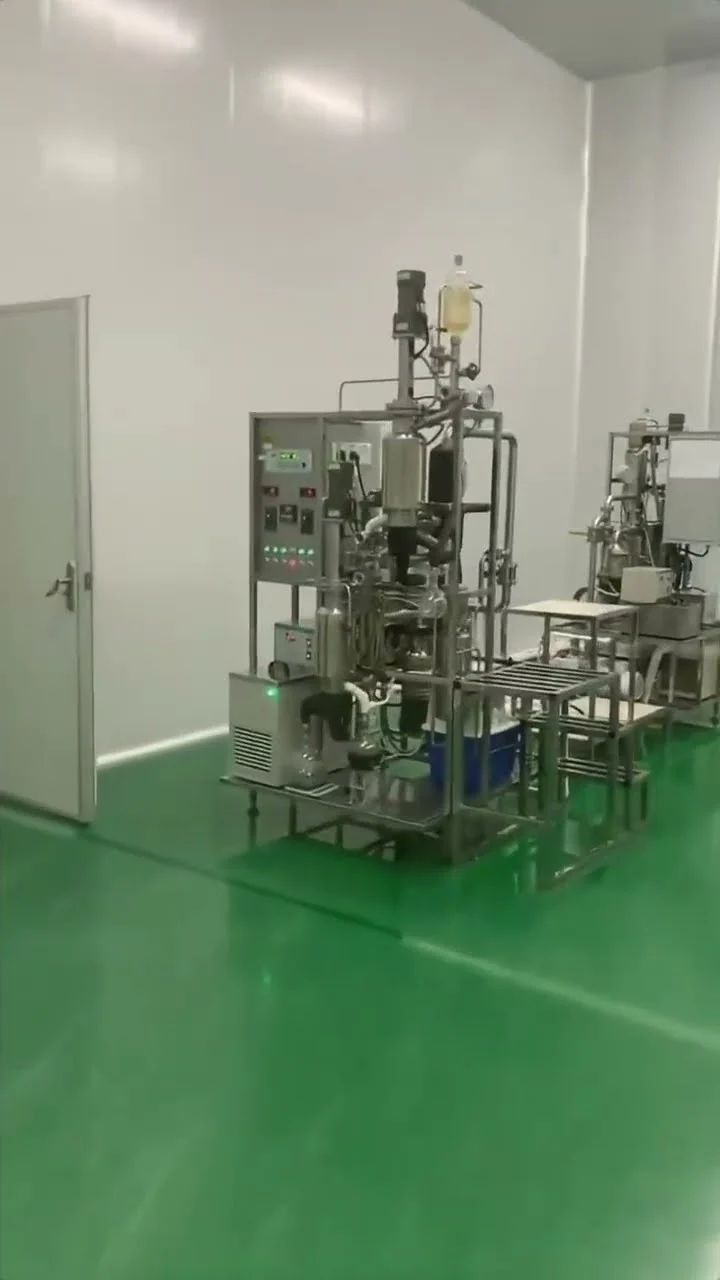
Inside the oil production facility
The production environment, the processing equipment and a selection of finished oil.
Documentation · SDS / MSDS
Safety Data Sheet
The document your freight forwarder asks for before they will quote. For agarwood oil it usually ends in a sentence most oils cannot print: transport as non-dangerous goods.
Who issues it, how long it takes
| Issued by | The supplier, not a third-party laboratory. An SDS is a hazard-communication document compiled from composition and test data — it is authored, not tested. |
|---|---|
| Lead time | Issued with the quotation. No waiting period. |
| Scope | Per product, not per batch. It only needs reissuing when the formulation, the classification rules or the regulatory references change. |
| Our supply | Included in the documentation pack for every relevant shipment, at no extra cost. |
What is inside a SDS / MSDS
| Section 1 | Identification — product name, supplier, recommended use, emergency contact |
|---|---|
| Section 2 | Hazard identification — GHS classification, pictogram, signal word, H and P statements |
| Section 3 | Composition — INCI name, CAS number, concentration |
| Section 4 | First-aid measures by route of exposure |
| Section 5 | Firefighting — suitable and unsuitable extinguishing media |
| Section 6 | Accidental release — containment and cleanup |
| Section 7 | Handling and storage conditions |
| Section 8 | Exposure controls and personal protective equipment |
| Section 9 | Physical and chemical properties — the section buyers actually read |
| Section 10 | Stability and reactivity, conditions to avoid |
| Section 11 | Toxicological information |
| Section 12 | Ecological information |
| Section 13 | Disposal considerations |
| Section 14 | Transport information — the dangerous-goods determination |
| Section 15 | Regulatory information |
| Section 16 | Other information, revision date and disclaimer |
Physical and chemical properties (Section 9)
Indicative ranges for agarwood distillate, not a specification and not your batch. Natural distillate varies between runs, and a supplier quoting a single fixed figure for a natural oil is quoting something they cannot hold. The governing values are the ones on the sheet issued with your order.
| Appearance | Pale yellow to brownish yellow clear oily liquid, free of visible impurities |
|---|---|
| Odour | Mellow, warm woody balsamic |
| Relative density | 0.910 – 0.990 g/cm³ |
| Refractive index | 1.450 – 1.530 |
| Flash point | Above the 60 °C dangerous-goods threshold (closed cup) |
| Boiling range | 260 – 290 °C (fractional) |
| Melting point | −15 to −5 °C |
| Solubility | Soluble in ethanol and other organic solvents; slightly soluble in water |
| Heavy metals (as Pb) | ≤ 10 mg/kg |
| CAS number | 8022-91-1 |
| INCI name | Aquilariae Lignum Resinatum Extract |
Classification and transport (Sections 2 and 14)
| Physical hazard | Mildest combustible-liquid band or unclassified — Section 2 of your SDS states which |
|---|---|
| Health hazards | Skin irritation 2 (H315) · Skin sensitisation 1 (H317) · Eye irritation 2A (H319) |
| Environmental hazards | Aquatic acute 3 (H402) · Aquatic chronic 3 (H412) |
| Signal word | Warning |
| Pictogram | Exclamation mark |
| Transport classification | Section 14 of your SDS states it — non-dangerous goods, no UN number, where the flash point is above 60 °C |
| Storage temperature | 10 – 25 °C, sealed, protected from light |
| Shelf life | 24 months in original sealed packaging |
Understanding the SDS / MSDS
A safety data sheet is the document that tells everyone who touches your shipment — the forwarder, the airline, the customs officer, your warehouse team — what the material is and how dangerous it is not. It is worth being precise about what kind of document it is, because this is the single most common misunderstanding we encounter: an SDS is not a test report. Nobody analyses a sample to produce one. It is a hazard-communication document authored by the supplier, compiled from composition data and physical measurements, and formatted into sixteen fixed sections that are the same worldwide under the Globally Harmonized System. "MSDS" is simply the older name for the same thing. The terms are used interchangeably in trade and nobody will reject a document for being labelled one rather than the other.
The section that matters commercially is Section 9, and within it a single line: flash point. Agarwood oil is a heavy distillate dominated by sesquiterpenes — agarospirol, β-agarofuran and their relatives — with a boiling range in the high hundreds and closed-cup flash points that sit above the 60 °C line defining a flammable liquid. Depending on where a given distillate lands above that line, GHS puts it in the mildest combustible-liquid band or leaves it unclassified for physical hazard; either way the practical consequence appears in Section 14. And it is the same one: transport as non-dangerous goods, no UN number. We quote the threshold rather than a headline number here on purpose — the figure that governs your declaration is the one on the sheet issued for the product you are buying, not one copied off a website.
It is difficult to overstate how much of a commercial difference that makes, because the default assumption in freight is that anything called an essential oil is flammable. Most are. Citrus oils, eucalyptus, tea tree and peppermint all flash well below 60 °C and travel as UN 1993 Class 3 dangerous goods. That means UN-specification packaging, a certified dangerous-goods packer, a DG surcharge that can run into hundreds of dollars per shipment, and hard quantity limits on passenger aircraft. Agarwood oil sits outside all of that. But you only get the benefit if you can hand the forwarder a document that says so, at the moment they are quoting — which is why the SDS goes out with the quotation rather than with the goods.
The hazards the sheet does record are the ones you would expect from a concentrated aromatic material and should not be dismissed. Undiluted contact causes skin irritation, and the sheet carries a skin sensitisation Category 1 classification, meaning repeated exposure can provoke allergic contact dermatitis in susceptible people. Eye contact causes serious irritation. The material is classified as harmful to aquatic life with long-lasting effects, so it must not go into drains. None of this is unusual for a perfumery raw material, and none of it restricts transport. But it does drive the handling instructions your warehouse team should be working to and the labelling your downstream product may need.
One honest note on scope. Sections 11 and 12 — toxicology and ecology — are thin, because agarwood oil is a natural multi-component extract with no substance-specific toxicological study dossier behind it. That is the ordinary situation for botanical extracts rather than a gap peculiar to us. If you are placing product on the EU market and your compliance team needs those sections populated against REACH or CLP with cited endpoints, that is a request we can work on. But it needs raising at enquiry stage. It is not something anyone can produce over a weekend. A supplier who says otherwise is telling you what you want to hear.
The sheet is issued per product rather than per batch. That is the correct behaviour and occasionally surprises buyers who expect a fresh document with every shipment. Hazard classification is a property of the material, not of the lot. So it only changes when the formulation changes or when the regulatory framework it references is revised. Batch-level information belongs on the certificate of analysis, which is a different document with a different job.
Situations that require this document
- Booking air freight — the forwarder asks before they will accept the shipment
- Customs clearance in the EU, UK, US and GCC
- Your own inbound goods file and warehouse safety documentation
- Downstream formulation under EU Cosmetic Regulation 1223/2009
- Marketplace and stockist onboarding — most now request one at account setup
- Cargo insurance and any hazardous-goods declaration
Where a SDS / MSDS goes wrong
Each of these has cost a real buyer real money. None is difficult to avoid once you know it exists.
Assuming an essential oil is automatically a flammable liquid
This is the expensive one, and it usually costs money rather than time. Many essential oils — citrus, eucalyptus, tea tree — flash below 60 °C and move as UN 1993 Class 3. That means dangerous-goods packing, a DG surcharge, a certified packer and quantity limits on passenger aircraft. Agarwood oil is a heavy sesquiterpene distillate and flashes above that 60 °C line, which puts it outside Class 3. If a forwarder quotes you DG handling by default, the flash point line in Section 9 for your batch is what settles it.
An SDS that does not name your actual product
A generic "agarwood oil" sheet downloaded from a chemical database is not a supply-chain document. Section 1 has to name the supplier who is putting the product on the market, and Section 3 has to describe what is actually in the bottle. Customs officers and compliance reviewers check that the SDS and the commercial invoice describe the same thing.
A missing or vague Section 14
Section 14 is the only part a freight forwarder genuinely needs. If it says "consult regulations" instead of giving a determination, the forwarder will default to treating the shipment as dangerous goods — because that is the safe assumption for them and the expensive one for you.
Sections 11 and 15 left as "no data available"
Toxicological and regulatory sections are frequently filled in with that phrase, and for a natural extract with no substance-specific study data it is sometimes the truthful answer. But a European importer doing REACH or CLP due diligence will flag it. If your compliance team needs those sections populated against a specific regulatory framework, say so at enquiry rather than after the goods have shipped. It is a solvable request, but not a same-day one.
Documentation · COA
Certificate of Analysis
The batch number on the drum matches the batch number on the certificate. If those two numbers do not match, the certificate is decoration.
Who issues it, how long it takes
| Issued by | The batch-record and sensory sections come from our own quality control. The physicochemical and marker-compound sections do not: those need laboratory instruments we do not own, so they are commissioned from an accredited laboratory and arrive as their report rather than ours. We would rather draw that line than sign a page of numbers we did not measure. |
|---|---|
| Lead time | Ask at order stage and it is prepared before dispatch. Ask later and it still works — batch records are archived, so a certificate for a batch you already hold can be issued from them. Where laboratory sections are included, add the laboratory turnaround, usually one to two weeks. |
| Scope | Per production batch, never a product-line template — no two distillations are identical. Issued on request rather than automatically, and the cost is quoted to you before anything is commissioned. If you need one, say so when you order rather than after the goods have shipped. |
| Our supply | Not issued by default because it carries a lead time or an external cost. Ask at enquiry stage and it is scheduled alongside production. |
What is inside a COA
| Header | Product name, batch number, production date, report date, packaging and specification |
|---|---|
| Sampling | Sampling location, sampling quantity and the workshop the batch came from |
| Sensory panel | Appearance, aroma, colour and solubility against the written standard |
| Physicochemical | Relative density and refractive index — laboratory sections, included when commissioned |
| Characteristic components | Named marker compounds with CAS numbers — laboratory sections, included when commissioned |
| Stability note | Oxidation and storage behaviour, and the conditions the result is valid under |
| Shelf life | Stated in years from production date, not from dispatch date |
| Conclusion | An explicit release statement — qualified and approved, or not |
| Signatures | Inspector, reviewer and approver named separately |
Sensory indicators
| Appearance | Pale yellow to brownish yellow clear oily liquid |
|---|---|
| Aroma | Mellow and warm woody balsamic |
| Colour | Uniform and clear, free of visible impurities |
| Solubility | Soluble in organic solvents such as ethanol; slightly soluble in water |
Physicochemical indicators
The conventional ranges for agarwood distillate, shown so you know what to look for on a certificate. They are not our batch values and not a specification we hold to — we do not own a densitometer or a refractometer, so on a certificate of ours those rows carry the laboratory’s figures or they are absent.
| Relative density | 0.910 – 0.990 g/cm³ |
|---|---|
| Refractive index | 1.450 – 1.530 |
Characteristic components
These two sesquiterpenes are the markers conventionally used to characterise Aquilaria distillate. Their presence supports identity; it does not by itself prove the absence of dilution. That is what a GC-MS profile is for.
| Agarospirol | CAS 18531-94-7 |
|---|---|
| β-Agarofuran | CAS 19902-91-1 |
| Total characteristic content | ≥ 99.0% |
Understanding the COA
A certificate of analysis is the document that ties a specific physical batch to a specific set of results. That sentence contains the whole point of it. It is worth dwelling on the word "specific", because most of what goes wrong with COAs in this trade goes wrong there. The certificate should carry the batch number, the production date, the sampling quantity, the workshop, and three named signatories — an inspector who ran the checks, a reviewer who verified them, and an approver who authorised release. Those names exist so that a question about a batch two years from now has somebody to ask.
What is actually checked falls into three groups. The sensory panel confirms appearance, aroma, colour and solubility against a written standard — for a natural aromatic this is not a soft assessment, because an experienced assessor catches oxidation, contamination and gross adulteration faster than most instruments. The physicochemical checks measure relative density and refractive index, which for agarwood distillate should fall between 0.910 and 0.990 g/cm³ and between 1.450 and 1.530 respectively. Those two numbers are a surprisingly effective identity screen: a heavily diluted oil drifts out of range, because carriers have different optical and density behaviour from a sesquiterpene-rich distillate. Third, the certificate names characteristic marker compounds — agarospirol and β-agarofuran — and reports total characteristic content.
Here is where we want to be more careful than the category usually is. A certificate of analysis and a GC-MS profile are not the same document, and suppliers who blur the two are not doing buyers a favour. A COA is a release decision: the batch was checked against a specification and passed or did not. A GC-MS profile is an analytical fingerprint showing the compounds present and their relative proportions. The COA answers "is this batch within spec"; the GC-MS answers "what is actually in here". If you are buying oil for perfumery or for resale into a market where authenticity claims will be scrutinised, you want both. And you should ask for them by name rather than assuming that a document headed "Certificate of Analysis" contains chromatographic data. Very often it does not.
The stability note on the certificate is easy to skip and worth reading, because it defines the conditions under which the results remain true. Agarwood oil is stable in sealed containers at normal temperature, but prolonged exposure to air, heat or strong light causes oxidative discolouration, loss of top note and a flattening of the woody character. The certificate states a twenty-four month shelf life against sealed, cool, dark storage — which means the number is a promise about the material, not about how it will be treated in your warehouse. Buyers who decant into part-used containers and leave them on a shelf in a warm room are not covered by that figure. And it is better to know this before rather than after.
Batch records are archived, which is what makes a late request answerable at all. If you are holding a drum from a batch shipped eighteen months ago and your own customer has asked for documentation, send us the batch number and we will tell you what can still be issued against it and what it costs. The batch-record and sensory sections come from the archive and are quick. The instrument sections are not: those can only be run while retention material for that batch still exists, and retention runs three months from dispatch. Which is the practical argument for asking at order stage rather than eighteen months later.
Situations that require this document
- Goods-inward acceptance — matching the delivered drum against what you bought
- Any customs query about product identity
- Your own onward COA to a downstream customer
- Quality disputes, where it is the reference document
- Repeat orders, where you are matching a new batch to a previous one
Where a COA goes wrong
Each of these has cost a real buyer real money. None is difficult to avoid once you know it exists.
A certificate with no batch number on it
This is the failure that matters most and it is startlingly common. A certificate describing "our agarwood oil" in general terms tells you what some oil from this supplier looked like on some occasion. In a category with this much natural variation between distillations, that is close to meaningless. The number on the paper must match the number on the drum. You should check it on arrival rather than filing it unread.
Confusing a conformance certificate with a numeric analysis
Read the results column carefully. A conformance certificate states a specification range and reports whether the batch conforms to it. A numeric certificate prints the actual measured figure. Both are legitimate documents doing different jobs, and neither is a GC-MS report. Worth knowing where we sit: the sections we sign ourselves are batch-record and sensory, so they carry descriptions and dates rather than instrument readings. Any numeric line on a certificate of ours comes from a laboratory, is attributed to that laboratory, and is charged at their cost. If your application needs measured numbers, say so at enquiry stage so the laboratory work is scheduled before the batch ships rather than after.
Treating shelf life as running from the date you received it
Shelf life runs from the production date printed on the certificate, not from dispatch or arrival. Agarwood oil is stable — twenty-four months sealed and protected from light — but if a lot has been sitting in a warehouse for eight months before you buy it, you are buying sixteen months of remaining life. The production date is on the certificate for exactly this reason.
Assuming a COA covers contaminants it does not mention
A release certificate covers what it lists and nothing else. Heavy metals beyond the general limit, microbiological counts, residue screens and allergen declarations are separate tests on separate reports. If your market requires them, they need requesting by name — a COA that stays silent on a parameter has not tested for it.
Documentation · GC-MS
GC-MS Analysis Report
The only document that answers "what is actually in this bottle". Everything else answers a narrower question.
Who issues it, how long it takes
| Issued by | An independent analytical laboratory. This is deliberate — a chromatographic identity report is worth more when the party issuing it is not the party selling the oil. |
|---|---|
| Lead time | Typically 7 to 14 working days from sample submission, depending on the laboratory and whether a full library search is required. |
| Scope | Per batch, and it must reference the batch number. A profile covering a product line rather than a lot has very limited evidential value. Because every distillation differs, the analysis has to be run on the specific lot you are buying — which is why it is commissioned per order rather than held on file. The laboratory fee is passed through at cost and quoted before you commit. |
| Our supply | Not issued by default because it carries a lead time or an external cost. Ask at enquiry stage and it is scheduled alongside production. |
What is inside a GC-MS
| Sample identification | Batch number, sample receipt date, sample condition on arrival |
|---|---|
| Method | Column type, temperature programme, carrier gas, injection mode and detector settings |
| Chromatogram | The trace itself — retention time on one axis, detector response on the other |
| Peak table | Retention time, identified compound, CAS number and relative area percentage per peak |
| Library match | Confidence score for each identification against the spectral library used |
| Marker summary | Named sesquiterpene and chromone markers characteristic of Aquilaria resin |
| Unidentified fraction | Total percentage not matched — an honest report always states this |
| Analyst and date | Named analyst, laboratory accreditation reference and report date |
Understanding the GC-MS
Gas chromatography–mass spectrometry does two things in sequence. The chromatography separates a complex mixture into its individual components by pushing a vaporised sample through a column, where different compounds travel at different speeds and emerge at different times. The mass spectrometry then bombards each emerging component and reads the fragmentation pattern. That is characteristic enough to identify the compound against a spectral library. The output is a chromatogram — a trace of peaks — plus a table listing what each peak is and how large it was relative to the others.
For agarwood this is the closest thing the trade has to an objective identity test. Genuine Aquilaria distillate has a recognisable signature dominated by sesquiterpenes, including agarospirol and β-agarofuran, together with chromone derivatives that are characteristic of resin formation in the wood. The pattern is distinctive enough that dilution with a neutral carrier, cutting with cheaper aromatic woods such as sandalwood or amyris, and outright synthetic reconstruction all show up in the analysis in ways they do not show up to the nose — particularly at the low cut percentages that are commercially most tempting and most common.
That last point deserves emphasis, because the folk belief in this trade is that experience protects you. It does not, or at least not reliably. A skilled assessor will catch a crude fake immediately. A twenty percent cut with a well-chosen carrier, sold at a price that feels like a modest bargain rather than an implausible one, defeats almost everyone by nose alone — and the drydown, where synthetics most often reveal themselves, takes hours to evaluate properly. The defence is not a better nose. It is a chromatogram tied to a batch number and a retained sample of that batch held somewhere it can be independently tested.
We route this to an independent laboratory rather than running it in-house, and the reasoning is worth stating plainly. A GC-MS report exists to answer a question about the supplier. A report authored by the supplier is answering a question about itself. That is a structurally weaker instrument no matter how honest the underlying work. Buyers who have been in this category long enough know this, and buyers who have not are frequently reassured by supplier-issued analytical documents that deserve less weight than they are given. Independent issuance costs more and takes longer. It is worth both.
A word on what the report does not do. It does not establish geographic origin — the chromatographic differences between Guangdong, Nha Trang and Borneo material are real but overlapping, and anyone claiming to prove provenance from a chromatogram is overselling. It does not grade quality, which is a commercial and sensory judgement rather than an analytical one. It does not prove wild versus plantation origin. And a single report with nothing to compare it against is much less informative than the same report set beside a profile of a batch you already know. Ask for it on the first order, keep it, and the value of every subsequent one compounds.
Practically: sample submission to report is usually seven to fourteen working days. So it needs requesting at enquiry stage rather than at dispatch. Where a shipment cannot wait, the workable sequence is to release the goods against the release certificate and follow with the chromatographic report, provided a sealed retention sample of the same batch is held so that the analysis and the delivered material are demonstrably the same lot.
Situations that require this document
- Buying oud oil in commercial quantity for the first time from any supplier
- Perfumery and fragrance houses formulating to a reproducible brief
- Resale into markets where authenticity claims will be challenged
- Settling a dispute about identity or dilution
- Matching a new batch to a previous one you were satisfied with
Where a GC-MS goes wrong
Each of these has cost a real buyer real money. None is difficult to avoid once you know it exists.
A profile that is not tied to your batch number
The most common way a GC-MS report is made worthless without anyone technically lying. A chromatogram from a product line, or from a batch distilled two years ago, describes an oil that is not the oil in your drum. Natural distillate varies substantially between runs — different wood, different resin fraction, different soak duration. The report must name the batch you are buying, and you should verify that number against the container.
Reading area percentage as concentration
The percentages in a peak table are relative detector response, not weight-for-weight concentration. Different compounds ionise with different efficiency, so a peak at 12% area is not necessarily 12% of the mass. This matters if you are trying to compute a formulation from the report. Treat the table as a fingerprint for comparison rather than as a recipe.
Expecting GC-MS to detect dilution with an odourless carrier
It usually will, because the carrier appears as its own peak or shifts every other peak proportionally — but only if you have a reference profile to compare against. A single chromatogram with no baseline tells you what compounds are present, not what proportion of the bottle is oil. This is the strongest practical argument for requesting a profile on your first order and keeping it: the second report becomes far more informative than the first.
Assuming a supplier-issued report settles a dispute
It rarely does, which is why we route this to an independent laboratory rather than issuing it ourselves. If the question being asked is "is my supplier telling the truth", a document authored by the supplier is structurally the wrong instrument. Where the value at stake justifies it, send a portion of your own material for independent analysis — the cost is small relative to any commercial quantity of oud.
Documentation · CITES
CITES Export Permit
The one document on this list that a government issues rather than a laboratory or a factory. That changes how early you have to ask for it.
Who issues it, how long it takes
| Issued by | The CITES Management Authority of the exporting country — a government body, not us and not a laboratory. We are the applicant, not the issuer, which is the single most useful thing to understand about this document: no supplier can promise you a permit, only that they will apply for one and tell you what happens. |
|---|---|
| Lead time | Applied for per shipment once you confirm the order. The authority’s own turnaround is outside our control and we will not quote you a number we cannot hold — tell us at enquiry stage that you need one and we will come back with the current realistic timing before you commit to a shelf date. |
| Scope | Per consignment rather than per batch, and tied to the specimens actually being shipped. A permit is valid for a limited period from issue — six months is the maximum under the Convention — and it has to travel with the goods and be presented at export and at import. A permit that arrives after the container does is not a permit, it is a piece of paper. |
| Our supply | Not issued by default because it carries a lead time or an external cost. Ask at enquiry stage and it is scheduled alongside production. |
What is inside a CITES
| Permit number and validity | The number customs will quote back at you, and the expiry date it must be used before |
|---|---|
| Exporter and importer | Full legal names and addresses of both parties — these must match the invoice and the bill of lading exactly |
| Country of export | And, where relevant, country of origin if it differs |
| Scientific name | The species, not the trade name — Aquilaria sinensis or Aquilaria crassna, not "agarwood" |
| Description of specimens | What form the material is in: sticks, powder, oil, and the form code that goes with it |
| Quantity and net mass | Declared in the unit the permit uses, which is not always the unit on your purchase order |
| Source code | The letter recording how the material was obtained. Plantation material with managed induction is declared as artificially propagated (A) rather than wild-taken (W) |
| Purpose code | Commercial trade is T |
| Security stamp and signature | The seal and signature of the issuing Management Authority — an unsigned or unstamped copy is not valid |
Understanding the CITES
Agarwood-producing Aquilaria species are listed on Appendix II of the Convention on International Trade in Endangered Species. Appendix II is not a ban. It is a permit system: trade is allowed, and it is allowed on the condition that the exporting country issues a document saying the specimens were legally acquired and that the export will not damage the survival of the species in the wild. That document is the export permit, and everything practical about this page follows from one fact — a government issues it, we only apply.
That fact is worth sitting with, because it changes the order in which you should do things. A certificate of analysis is a document we can produce. A GC-MS report is one we can commission. A CITES permit is one we can request, and the timing belongs to somebody else. Suppliers who imply otherwise are describing something outside their control, which is the same failure as a supplier who claims to be handling your import permits.
Plantation material does not remove the requirement, and it is worth being precise about why, because the misunderstanding is common enough to cost people shipments. The listing covers the genus rather than a collection method, so a tree grown on a managed plantation and induced deliberately is still an Aquilaria specimen when it leaves the country. What cultivation changes is the source code recorded on the permit — artificially propagated rather than wild-taken — and the ease of evidencing where the material came from. Both of those help the application. Neither makes it unnecessary.
The listing also carries an annotation defining which parts and derivatives fall inside it, and this is where we are going to be less helpful than you might want, on purpose. That annotation has been amended more than once, the current text is the only one that governs, and any reading of it that we wrote into this page would be a reading you might file a customs declaration against. So we are not going to paraphrase it. Read it at source, on the CITES website, and confirm the reading for your specific product form with your own Management Authority. Then tell us what they told you and we will apply on that basis — and if what they told you means no permit is needed for your form, that is a good outcome and we will say so plainly rather than selling you paperwork.
What we will commit to is this. Tell us at order stage that you need a permit and we make the application part of the order rather than an afterthought. We will tell you what the realistic timing looks like at the point you ask, rather than quoting a number here that we cannot hold against a government office. And we will not tell you that your import side is handled, because it is not ours to handle.
The listing and its annotation, at source. This is the text that governs which parts and derivatives are covered — read it here rather than anywhere that paraphrases it, this page included. CITES Appendices I, II and III.
Situations that require this document
- Any export of specimens the Appendix II listing covers — this is the default assumption to plan against
- Customs clearance at export, where the permit is surrendered or endorsed
- Customs clearance at import, where your own authority checks it against your side of the paperwork
- Your own onward sale, where a downstream buyer asks for the chain of legal acquisition
Where a CITES goes wrong
Each of these has cost a real buyer real money. None is difficult to avoid once you know it exists.
Assuming plantation material is exempt from the permit
It is not. The Appendix II listing covers the genus rather than only wild-collected trees, and cultivation changes the source code on the permit rather than removing the need for one. Plantation material does make the application cleaner and the provenance easier to evidence, which is a real advantage — but it is an advantage in getting the permit, not in going without it.
Reading the annotation second-hand
The listing carries an annotation that defines which parts and derivatives are covered and which are excluded, and it has been amended at successive Conferences of the Parties. We deliberately do not paraphrase it on this page, because a summary written today is a summary that goes out of date without anyone noticing — and it would be a summary you might make a customs declaration against. Read the current text on the CITES website, and confirm the reading with your own Management Authority for the specific form you are importing. Tell us what they say and we will apply on that basis.
Leaving it until the goods are packed
This is the document with a government body between the request and the paper, which makes it the one you cannot compress at the end. Everything else on this list we can produce or commission ourselves. Ask for the permit when you place the order, not when you book the freight.
Forgetting your own side of it
The export permit is ours to apply for. Whether your country also requires an import permit or a prior notification is a question for your national Management Authority, and the answer varies — the European Union in particular runs its own permit layer on top of the Convention. We cannot answer it for you and we would rather say so than guess. Ask them before you order, not after the consignment is on the water.
Buyer questions
Frequently Asked Questions
Can I download the documents from this website?
No, and that is deliberate. Every document that matters names a specific production batch or a specific consignment. A PDF sitting on a web page would be describing material you are not buying. What you can get here is a precise account of what each document contains, who issues it and how long it takes. The real files go out against your order, referenced to your batch numbers.
Which documents will my shipment actually need?
Safety data sheets are standard for oil and available on request for the solid formats. A certificate of analysis is issued on request rather than automatically, and the cost sits with the buyer — small where it is batch record and sensory only, laboratory-priced where you need the instrument sections. GC-MS is on request through an independent laboratory. Beyond that, permit and certificate requirements are set by your import route rather than by us, and vary by destination and product form — your broker is the right person to confirm yours. Tell us the product and the destination and we will confirm what we can supply before you order.
Do you charge for documentation?
The safety data sheet is included. The certificate of analysis is not — it is issued on request and charged to the buyer, and we would rather tell you that here than surprise you on the invoice. Independent laboratory work is charged at the laboratory's cost, passed through rather than marked up: that covers GC-MS analysis, the instrument sections of a certificate, and any additional screening you ask for. Every one of those is quoted before you commit, and you can decline it.
How early do I need to ask for these?
At enquiry stage, not at dispatch. Once the container is sealed, nobody can obtain a document that certifies a physical inspection of the packed goods, and anything issued by a government authority runs on that authority's timetable rather than on yours. Everything else is more forgiving, but the pattern holds: documentation requested with the order is routine, documentation requested after shipment is a problem.
Can you provide documents for a previous order?
We archive certificates of analysis against batch numbers and can reissue one within a business day — send us the batch number from the drum or the original shipping paperwork. Government-issued documents are consignment-specific and generally cannot be reissued after the fact, so keep the originals from every shipment. This comes up most often when a buyer's own downstream customer asks for paperwork months later.
Do you supply documents in languages other than English?
Government-issued documents come in whatever format the issuing authority uses, and that is not something anyone can vary. Supplier-issued documents — safety data sheets and certificates of analysis — can be produced in other languages where a destination market requires it. Tell us the requirement at enquiry stage. Translating a technical document properly is not a same-day task.
Is agarwood oil classified as dangerous goods for air freight?
Normally not. Closed-cup flash points for this material sit outside the Class 3 flammable-liquid threshold of 60 °C, and where the sheet issued for your batch records that, it is declared and transported as non-dangerous goods with no UN number assigned. Section 9 of that sheet is the figure that governs your declaration, not a number copied off a website. This matters because it removes the dangerous-goods surcharge, the certified-packer requirement and the passenger-aircraft quantity limits that apply to most essential oils. If a forwarder quotes you DG handling by default, send them Section 14 of the safety data sheet.
What is the difference between an MSDS and an SDS?
Nothing that affects you. MSDS is the older term; SDS is the current one under the Globally Harmonized System, which standardised the format into sixteen fixed sections. Buyers, forwarders and customs officers use both names for the same document. No shipment has ever been held up over the choice of acronym. If a purchase order asks for an MSDS, the SDS is what satisfies it.
Do incense sticks and incense powder need a safety data sheet?
Usually not for transport purposes, since neither is a hazardous substance and both move as ordinary general cargo. But buyers frequently request one anyway for their internal compliance file, and some retail and marketplace onboarding processes require an SDS for every article regardless of hazard. We can supply a sheet for the stick and powder lines on request. It will correctly state that no hazard classification applies, which is itself the useful answer.
Is the safety data sheet issued per batch?
No, and it should not be. Hazard classification is a property of the material rather than of a particular lot. So the sheet is issued per product and only revised when the formulation or the referenced regulations change. If you need lot-specific figures — the actual density and refractive index measured on the drum you are buying — that is the certificate of analysis, which is issued per batch.
Can I get the safety data sheet before placing an order?
Yes, and you should. It goes out with the quotation as a matter of course, precisely because the transport classification affects your landed cost calculation and your forwarder needs it to quote accurately. Anyone who makes you place an order before releasing an SDS is creating a problem that does not need to exist.
Does the certificate of analysis include a GC-MS profile?
Not as standard. The release certificate covers sensory checks, relative density, refractive index and characteristic marker components. It is a conformance decision against the release specification. A GC-MS profile is a separate analytical report and should be requested by name. This distinction is one that suppliers in this category routinely blur. And it is worth insisting on clarity: a document titled "Certificate of Analysis" very often contains no chromatographic data at all.
Is the certificate issued per batch or per product?
Per batch, always. A certificate without a batch number identifying a specific production lot is not doing the job the document exists to do. When your drum arrives, check that the batch number printed on the container matches the one on the certificate before you file it. That thirty-second check catches the single most common documentation failure in this trade.
What is the shelf life and when does it start?
Twenty-four months from the production date shown on the certificate, in original sealed packaging stored between 10 and 25 °C away from light. It runs from production, not from dispatch or arrival. So a lot that has been warehoused before sale gives you correspondingly less remaining life. Once a container has been opened and part-used, oxidation begins and the stated figure no longer applies.
Do you charge for the certificate of analysis?
Yes, and we would rather say so plainly than bury it. A certificate is issued on request rather than with every shipment, and the cost sits with the buyer. Where it is the batch-record and sensory sections only, that cost is small. Where you need the physicochemical or marker-compound sections, that is laboratory work with a laboratory fee, passed through at cost rather than marked up. Either way you get the figure before anything is commissioned, and you can decline it. A supplier who includes a certificate free with every order is either absorbing the cost inside the unit price or reprinting the same template every time.
Can I get a certificate at sample stage, before I place a wholesale order?
Yes, on the same terms — ask for it with the sample and we will quote it with the sample. This matters more than it sounds, because buyers frequently need documentation for their own internal compliance sign-off before purchasing is authorised to proceed, and a supplier who cannot produce paperwork until after the order can stall a deal at the stage where it is most fragile. Check that the batch number on the certificate matches the sample you were sent.
Can you supply a certificate for a batch I bought previously?
Usually yes. Batch records are archived against batch numbers, so send us the number from the drum or from the original shipping documents and we will tell you what we can still issue against it and what it costs. Laboratory sections are the exception: those can only be run while we still hold retention material for that batch, and retention runs three months from dispatch. After that window the batch record is still there; the instrument work is not. This comes up most often when a buyer’s own downstream customer asks for documentation months after delivery, which is the argument for requesting it at order stage instead.
Does the certificate cover heavy metals and residue screening?
The safety data sheet states a general heavy-metals limit of 10 mg/kg as lead. Residue screening is a separate laboratory report rather than part of the release certificate. If your destination market requires either parameter documented — and several EU and Japanese buyers do — request it explicitly at enquiry stage so the testing is scheduled before the batch ships rather than after.
Is a GC-MS report supplied with every batch, and who pays for it?
It is commissioned on request rather than issued by default, and the laboratory fee is passed through at cost. Two reasons, and we would rather state them than be vague. First, every distillation runs differently, so a profile only means anything if it was run on the specific lot you are buying — which makes a report held on file worth very little. Second, we route it to an independent laboratory, which costs real money and takes seven to fourteen working days. Ask at enquiry stage and we quote it with the material. A certificate of analysis is a separate document on the same terms — issued on request, charged to you, quoted before we commission anything. What every lot carries at no charge is its batch number and a sealed retention sample held three months from dispatch.
Can GC-MS prove where the agarwood came from?
No, and be sceptical of anyone who says otherwise. Chromatographic differences between growing regions are real but heavily overlapping. They are confounded by species, resin fraction, tree age and distillation method. GC-MS establishes what compounds are present and in what proportions. Geographic provenance is a documentary chain-of-custody question, not an analytical one.
Why should the report come from an independent laboratory?
Because the question a GC-MS report answers is fundamentally a question about the supplier, and a document authored by the supplier is a weak instrument for answering it. This is not a comment on anyone's honesty — it is a structural point about evidence. Independent issuance costs more and takes longer, and we think it is worth both. Where the value at stake is significant, sending your own portion for independent analysis is better still.
What do the percentages in the peak table actually mean?
Relative detector response, not weight concentration. Compounds ionise with different efficiencies, so a peak occupying 12% of total area is not necessarily 12% of the sample by mass. Use the table as a fingerprint for comparing one batch against another. That is what it is genuinely good for, rather than as a basis for calculating a formulation.
Will GC-MS detect an oil that has been diluted?
Usually, yes — a carrier either appears as its own peak or shifts the whole profile proportionally. But detection is far more reliable when there is a reference profile to compare against. That is why requesting a report on your first order is worth more than it appears at the time. The first chromatogram tells you what is present. The second one, set against the first, tells you whether anything has changed.
Is agarwood banned?
No. Appendix II is a permit system rather than a prohibition — that is Appendix I. Trade in Appendix II specimens is legal, and the condition is documentation rather than abstinence. What the listing does is make the paperwork non-optional and put a government body in the middle of your lead time. Plan for that and the trade is entirely routine.
Does plantation-grown agarwood still need a CITES permit?
Yes. The listing covers the genus rather than the collection method, so plantation material is still an Aquilaria specimen at the border. What cultivation changes is the source code on the permit and how easily the provenance can be evidenced. Both make the application cleaner. Neither removes it. Anyone telling you that plantation material is outside CITES is either mistaken or hoping you are.
Which of my items actually need one?
That is decided by the annotation attached to the listing, which sets out the parts and derivatives covered and those excluded. We are not going to summarise it here, because the text has been amended at successive Conferences of the Parties and only the current version governs — a paraphrase on a supplier website is exactly the kind of thing that ages badly and then gets used for a declaration. Read the current text on the CITES website and confirm it for your form with your own Management Authority. Then tell us, and we will apply accordingly, or tell you honestly that no permit is needed.
How long does it take, and what does it cost?
We will not print a number here, because the turnaround belongs to a government office and not to us, and a figure on this page would become a promise we cannot keep. Ask at enquiry stage and we will give you the current realistic timing and cost with your quotation. What we can say without hedging is the direction: it is the longest-lead document on this list, and it is the one to ask for first rather than last.
Do I need an import permit as well?
That depends on your country and it is genuinely yours to establish, not ours. For Appendix II specimens many countries require only the export permit, but several run an additional layer — the European Union operates its own permit regime on top of the Convention. Ask your national Management Authority before you order rather than after the goods have shipped. We would rather tell you to make that call than pretend we can answer it for you.
Can you send the permit ahead of the goods?
Yes, and you should ask for it. The permit has to travel with the consignment, but a scanned copy going to your broker before arrival is what keeps a container moving. It is the same sequencing argument as the rest of the document pack: paperwork assembled after a hold has started costs demurrage, and paperwork sent ahead of arrival costs nothing.
Ordering, lead time, payment, shipping and claims are answered in full on the buyer FAQ.
Related
How the testing behind the paperwork is run
A document is only as good as the process behind it. Our quality control page covers the batch checks, the retention samples and the release decisions that the certificates report on, and the factory tour shows where the sampling happens. If you are working through import requirements for a specific market, the market pages note the compliance quirks we have run into in each region, and shipping covers incoterms and transit.
Tell us the product and the destination
We will confirm exactly which documents your shipment needs, which of them we issue, which ones you have to obtain yourself, and how much lead time each one adds.