AGARWOODWHOLESALE
Agarwood incense holders and display stands wholesale

Pairs with Incense Sticks

Incense Holders & Agarwood Display Stands — Wholesale

Ceramic, brass and solid carved agarwood holders — the highest-margin attach sale in the incense category.

Key specifications

Incense Holders & Agarwood Stands key specifications
MaterialsStoneware ceramic · solid brass · carved agarwood · walnut
FormatsPlate · vertical stand · boat/trail · lidded ash catcher
Stick compatibilityFits 1.2 – 3.5 mm sticks, cored and coreless
Dimensions60 – 220 mm depending on format
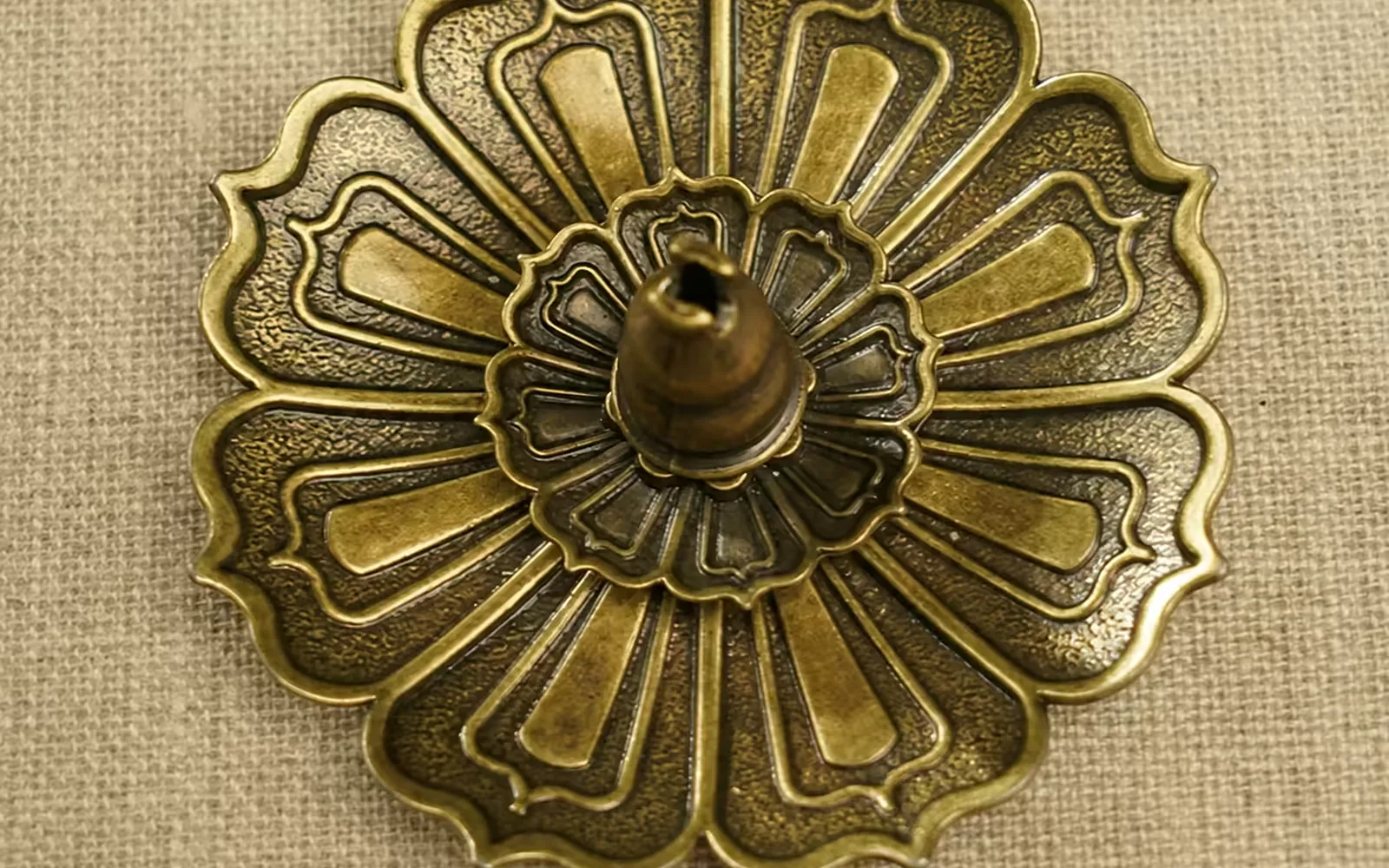
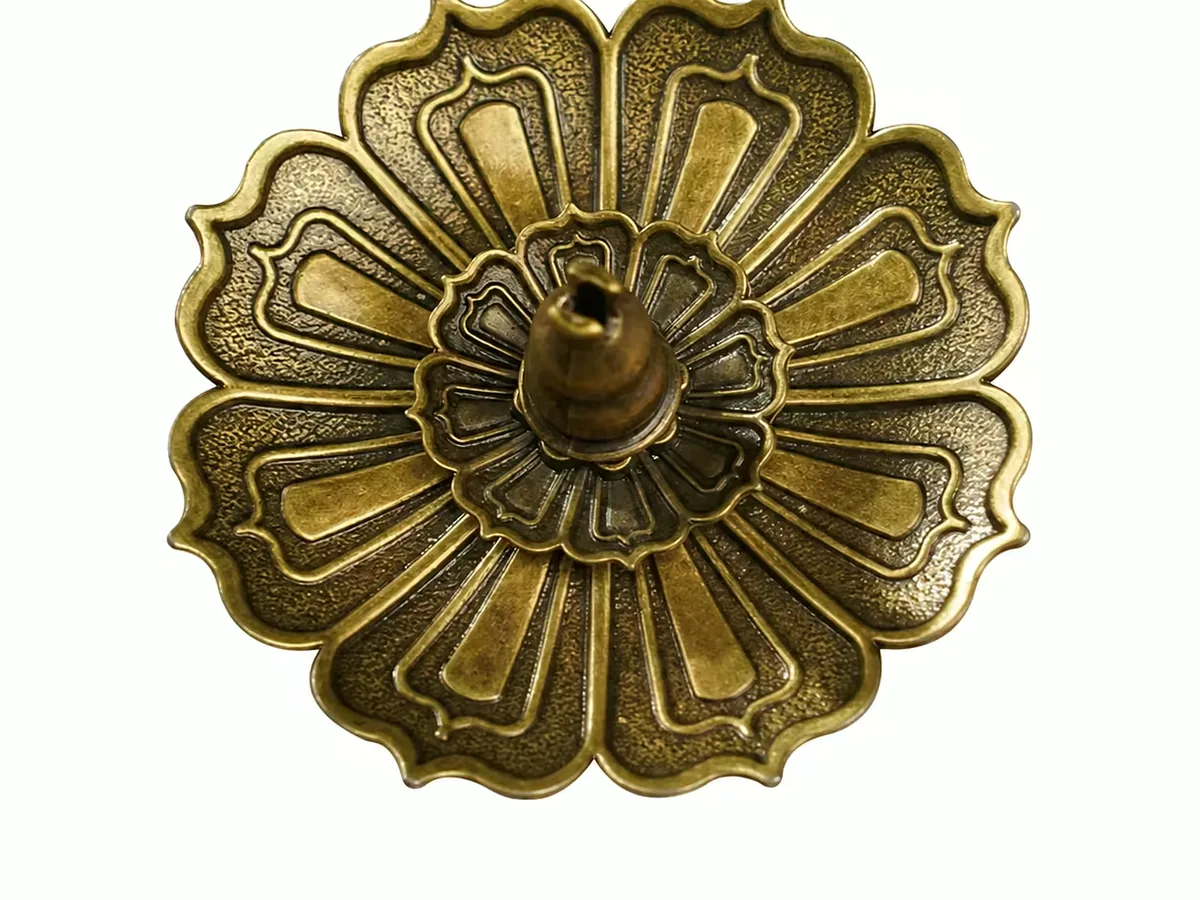
Finish optionsMatte glaze · celadon · antique brass · natural oil
Gift set optionBundled with any incense stick SKU in printed box
PackagingIndividual foam-lined box · master carton 20/40 pcs
MOQNone on stock items · custom from 200 pcs
Lead timeWithin 2 weeks on stock · 30–45 days custom mould
  • Plantation Aquilaria, single origin
  • 12+ years exporting
  • Batch retention samples held
  • No minimum order quantity on stock lines

Attach Rate · Basket Size

Nobody buys one incense stick.

A customer walking out with a box of sticks and nothing to burn them on is a customer who will improvise with a saucer and never think about your brand again. The holder is what turns a consumable into a ritual object on a shelf — and commercially, it is the single easiest way to lift average order value in this category. Retailers who bundle holder-plus-sticks as a gift set consistently report a materially higher basket than those selling sticks alone.

  • Four formats covering every price point from entry ceramic to carved agarwood
  • Bore sized for 1.2–3.5 mm sticks so it fits cored and coreless product alike
  • Gift-set bundling with any of our stick SKUs in a printed rigid box
  • Foam-lined individual boxes — breakage in transit is the main risk and we design against it

Product gallery

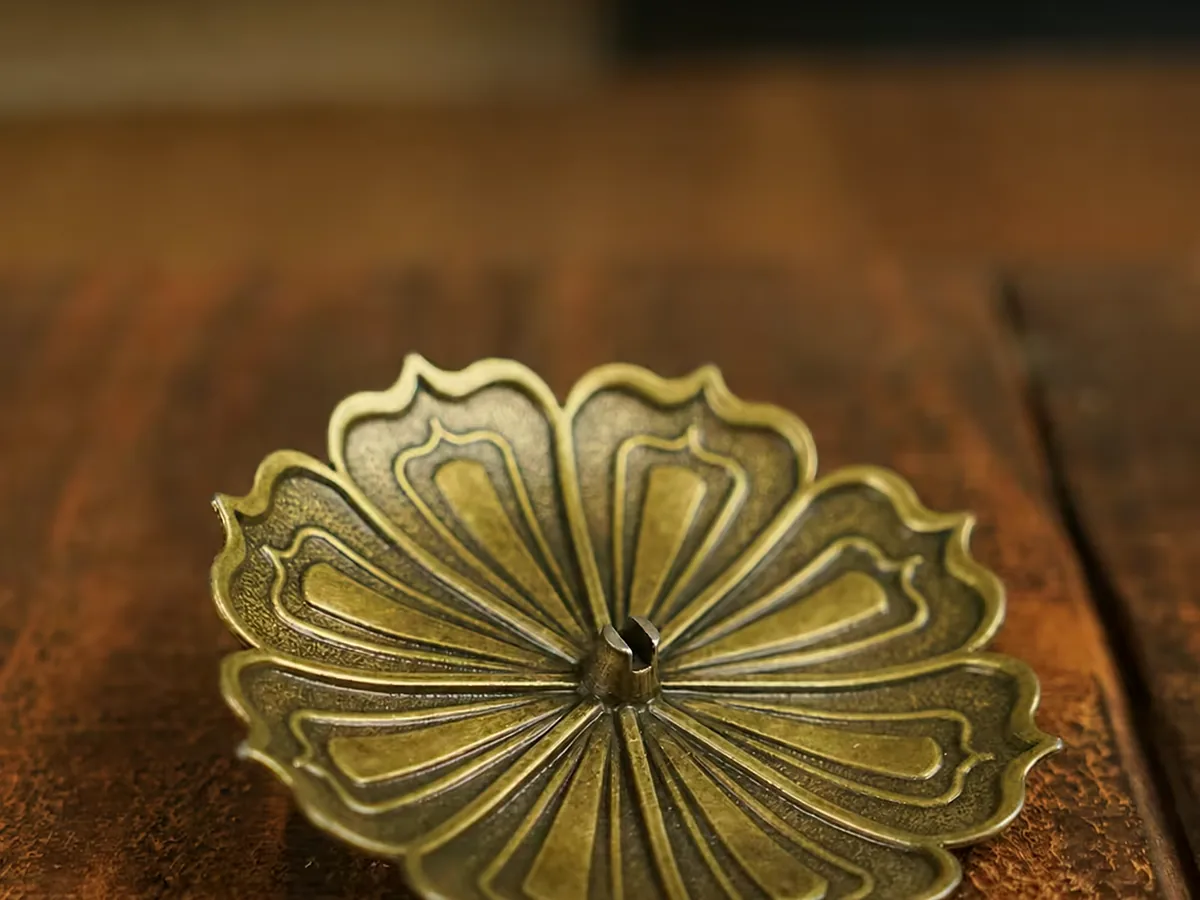
Incense holders and agarwood stands — full product view, incense holder wholesale
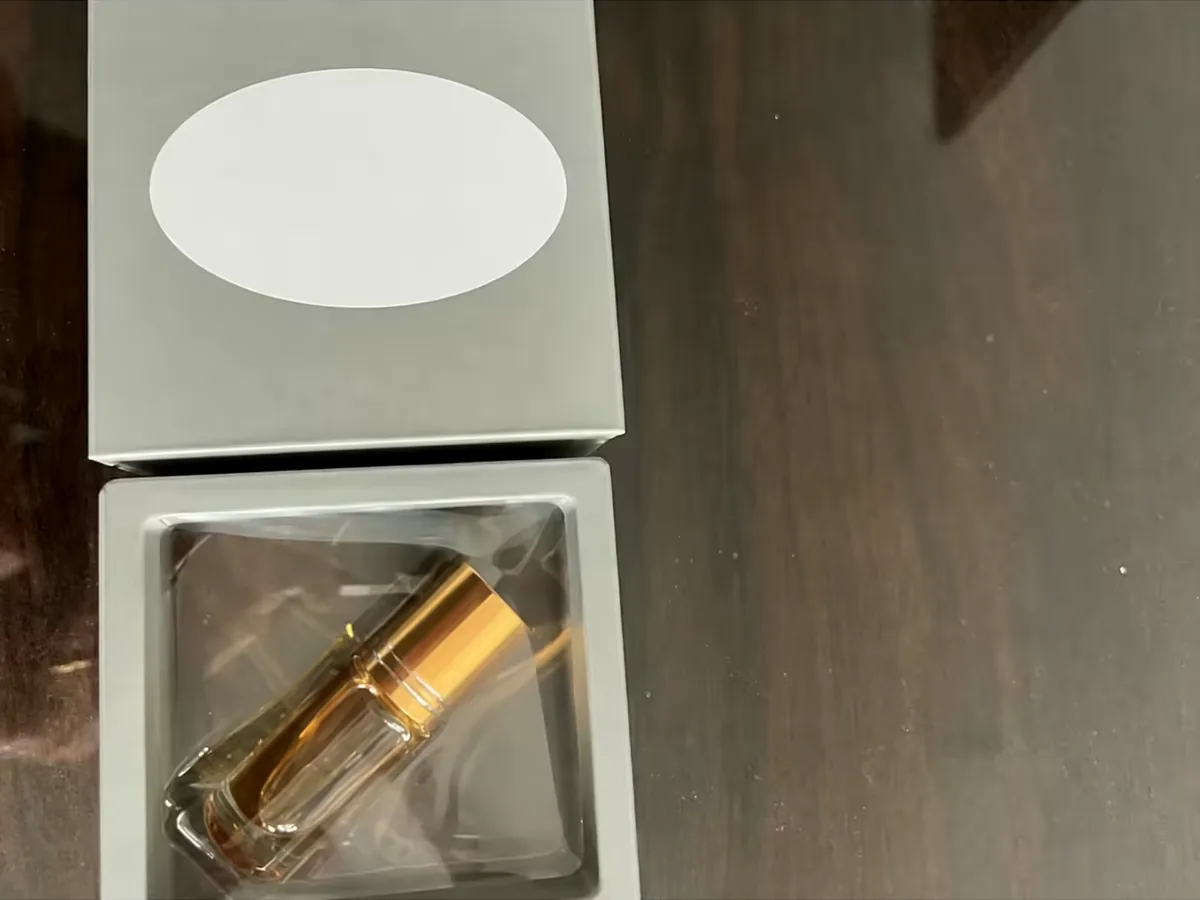
Incense holders and agarwood stands — retail packaging and unboxing, incense holder wholesale
Incense holders and agarwood stands — in use, incense holder wholesale
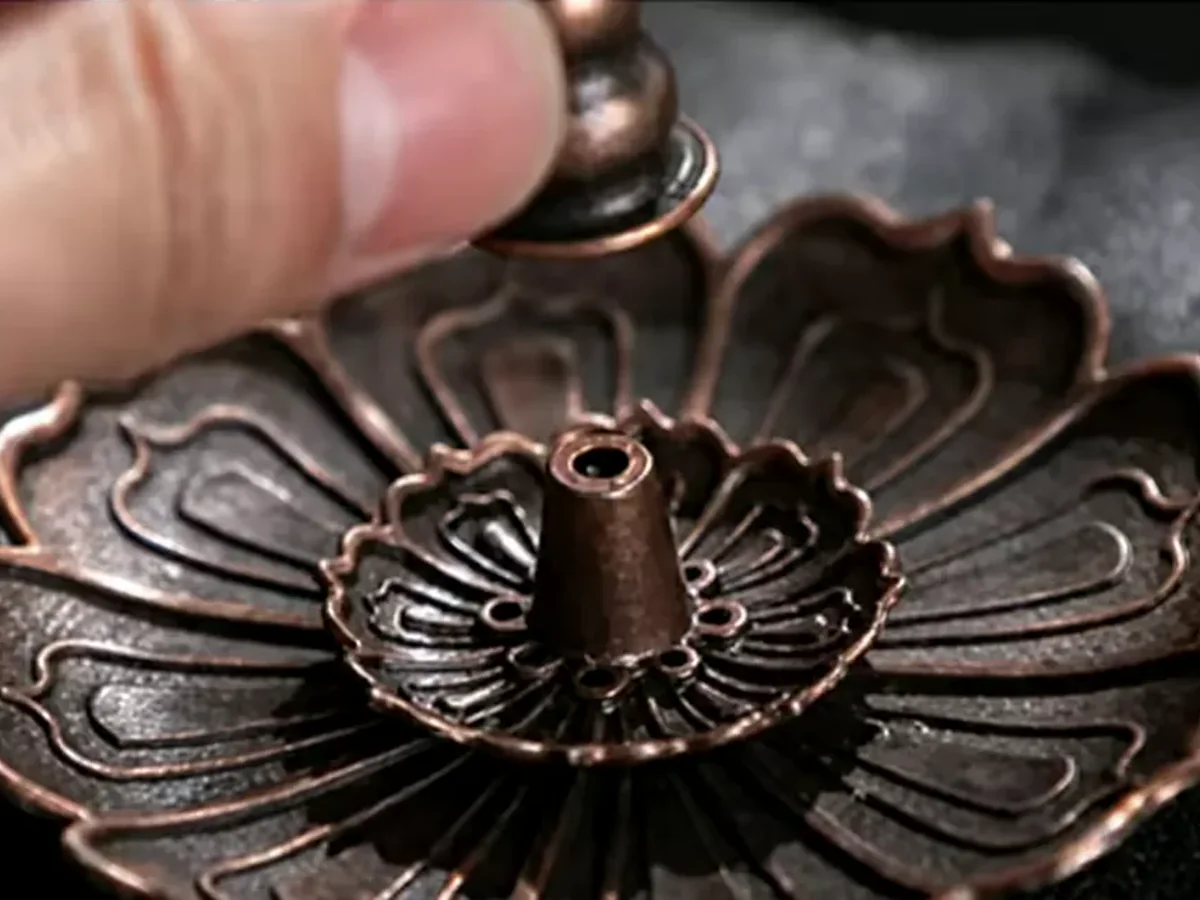
Incense holders and agarwood stands — close-up detail, incense holder wholesale
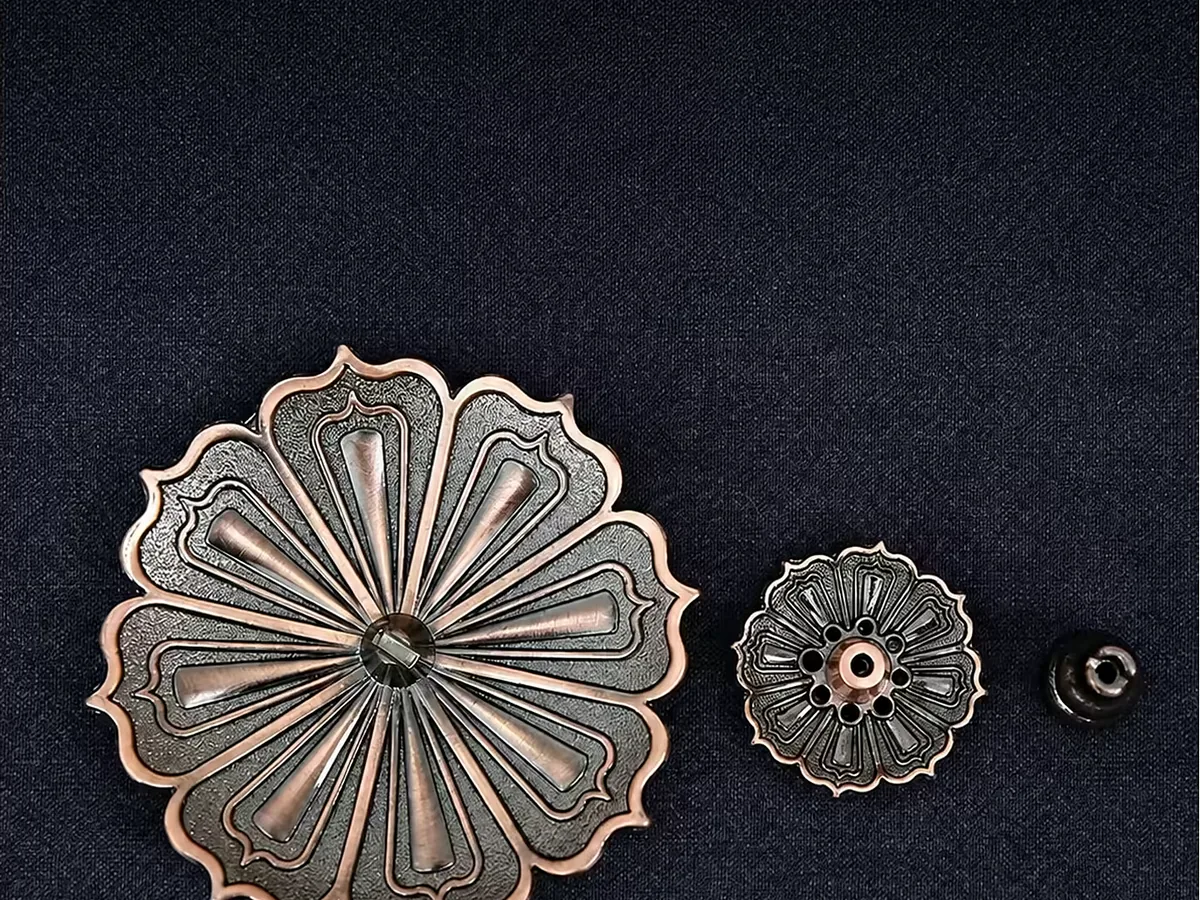
Incense holders and agarwood stands — size and specification comparison, incense holder wholesale
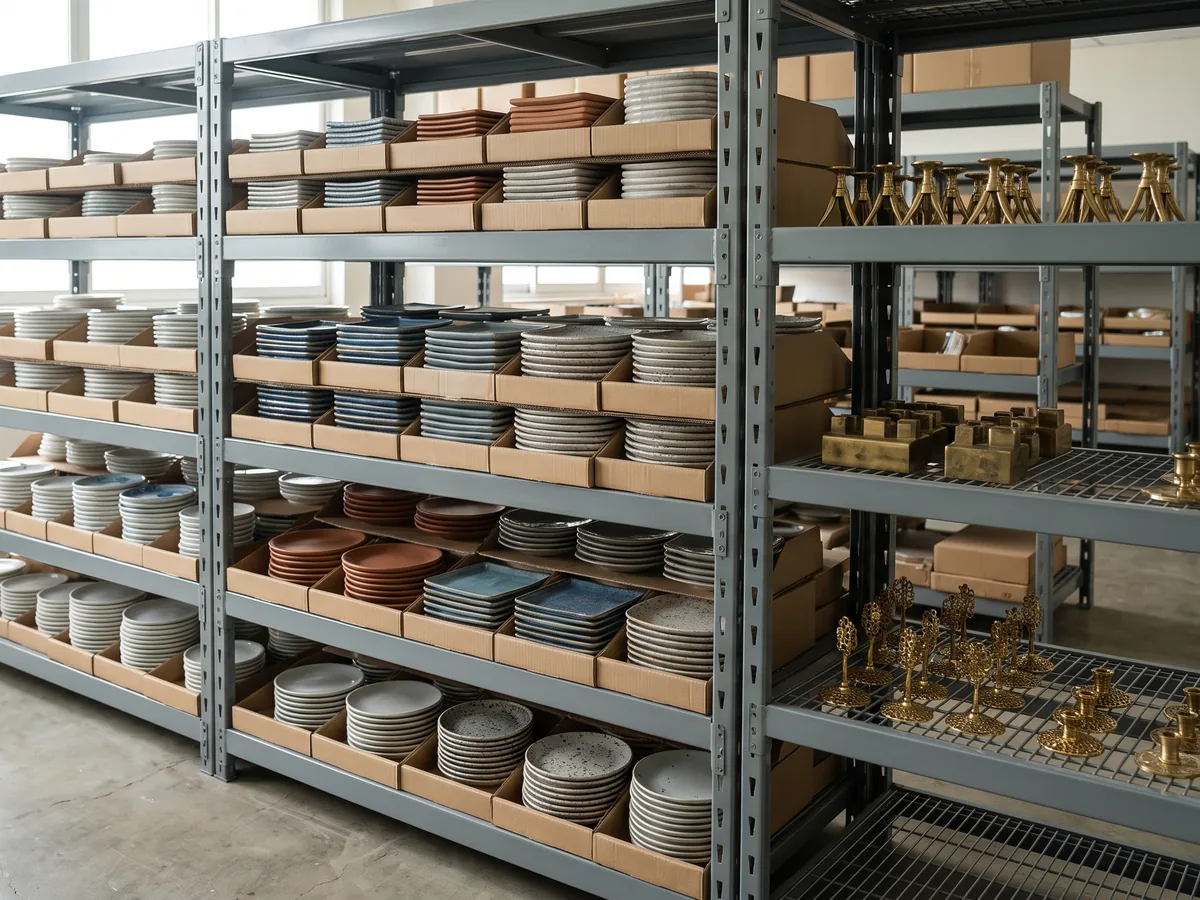
Incense holders and agarwood stands — factory production and warehouse stock, incense holder wholesale

What this line comes in

The grades, and what separates them

These reflect real production differences, not packaging tricks. There is no minimum quantity on any of them — price depends on grade, quantity and destination, so it comes back with the quotation rather than being invented here.

Ceramic Plate Holder

Quote on request

Stoneware plate with centre bore and full ash catch. The volume SKU for gift bundling.

Most specified

Brass Vertical Stand

Quote on request

Solid brass, weighted base, antique or polished finish. Premium retail price point.

Carved Agarwood Stand

Quote on request

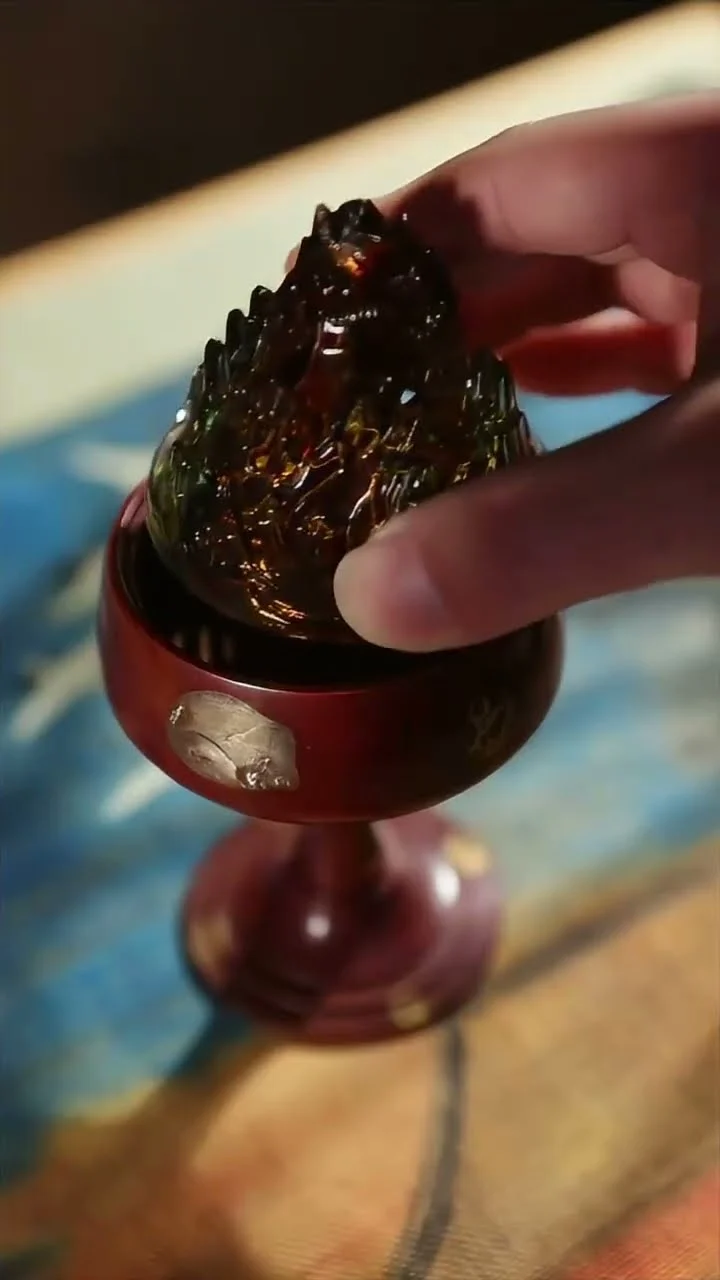
Hand-carved from plantation Aquilaria. Faintly aromatic in its own right and sold as a display object.

Gift Set — Holder + Sticks

Quote on request

Any holder paired with any stick SKU in a printed rigid box. The highest-margin retail unit.

Need the full price list?

Tell us quantity, grade, packaging and destination. We reply within one business day with a formal quotation.

Request price list

About this category

Incense Holders — Sourcing and Merchandising Guide

Incense holders look like a simple commodity and are not. Three things separate a holder that sells from one that sits on the shelf: bore fit, ash containment and perceived weight. Get any of the three wrong and the piece feels cheap in the hand regardless of what it cost you.

Bore fit is the one buyers most often overlook. Incense sticks in this category run from 1.2 mm for fine Japanese koh up to 3.5 mm for thick Arabic formats. A bore drilled for 2 mm will not take a thick stick at all, and a bore drilled at 3.5 mm lets a fine stick lean and drop ash off the plate. Our ceramic and brass holders use a tapered bore that grips across the full range. That means one holder SKU can be bundled with any stick SKU in your range — a meaningful simplification when you are building gift sets.

Ash containment determines whether the product gets used a second time. A stick burning at a 15-degree lean drops ash roughly 40 to 90 mm from the base depending on length. Plate holders should therefore be at least 100 mm across; boat and trail formats should run the full stick length. We size to those numbers rather than to what looks good in a product photo.

Perceived weight is pure merchandising, and it is why brass outperforms its material cost so heavily at retail. A weighted base reads as quality the moment the customer picks it up. Our brass stands are solid rather than plated hollow, which roughly doubles the material cost and roughly triples what the piece can be retailed for. If you are choosing one premium SKU to carry, choose this one.

Carved agarwood stands are a different proposition again. They are made from plantation Aquilaria, they are faintly aromatic on their own. They function as a display object rather than merely a utility. They carry the highest unit price and the lowest volume. And they work best positioned next to your top-grade koh stick SKUs as a coherent premium tier rather than scattered through a general assortment.

On packaging: ceramic breakage in transit is the dominant cost risk in this line. Every piece ships in an individually foam-lined box inside a master carton of 20 or 40. It costs more per unit than bulk-packing and it is cheaper than replacing broken stock and losing a retail account.

The specification that matters most on a holder is the one buyers check last: bore diameter. Sticks in this trade run anywhere from 1.2 mm to 3.5 mm. A holder cut for one end of that range will not take the other. A tapered bore solves it in a single part, because the stick seats at whatever depth its diameter allows. That is why every plate holder we make uses one. If you are sourcing holders and sticks separately, confirm the bore against your thickest stick rather than your thinnest.

Ash containment is the second specification and the one that decides reorder rates in soft-furnished environments. A 110 mm plate catches the fall from a stick up to 21 cm; anything longer overhangs and drops ash outside the plate no matter how carefully it is positioned. Match the plate to the longest stick you intend to bundle with it. This sounds obvious written down and it is the single most common mismatch we see in bundled gift sets.

Material changes the price point far more than it changes the function. That is a merchandising opportunity rather than a problem. A ceramic plate and a solid brass stand do the same job. The brass one carries roughly three times the retail price because it has weight in the hand and it does not look like a consumable. Stock both, and place them at opposite ends of the same fixture. A customer who came in for sticks and leaves with a brass stand has doubled the transaction without being sold anything they did not want.

One thing to verify with any brass supplier, including us. Ask whether the piece is solid or plated. Plated hollow brass is common, it is substantially cheaper. And it is indistinguishable in a photograph until the plating wears at the contact point and the base metal shows through, usually inside a year. Ours are solid. Do not take that on trust from this page either: ask for the piece in a sample and put it on a scale next to whatever you are buying now, because a hollow stand of the same dimensions is dramatically lighter and the difference is obvious the moment you hold both. We do not publish a weight figure here — we would rather you weighed it than believed a number we typed.

Cones need a different holder from sticks, and the difference is not cosmetic. A stick carries its ember away from the base along the length of the stick, so a stick holder is solving an ash-trajectory problem. A cone burns downward into its own footprint, so the entire heat load stays in one place for the whole burn. That is why a cone put on a stick holder scorches it: the narrow ash trough concentrates the heat instead of spreading it, and the ash pat a cone leaves behind is a solid disc rather than a line of dust, which a groove traps and a shallow dish tips straight out. An incense cone holder is therefore a plate or a dish with a heat-tolerant, replaceable-looking surface, not a smaller version of a stick holder.

Two failure modes come up on cone holders often enough to design against. The first is scorching through the base: solid brass conducts the heat straight down, and a flat-bottomed brass dish left on a wooden counter for a full burn can mark it. A footed base or a ceramic body solves it, and it is worth telling your retail customers which of the two they are buying. The second is a cone that starves and goes out part way down, because it is sitting flush on a smooth non-porous plate with no air reaching the base. A slight recess, a raised pin or a mesh insert keeps a gap underneath. If a customer reports cones dying half-burnt, check the holder before you question the cone.

One distinction to get right at the ordering stage, because buyers conflate the two constantly and receive the wrong product. A solid cone burns on an open dish, and an incense burner holder in that sense is a passive plate. A backflow cone is a different object entirely — it has a channel bored through it, and it only works on a burner whose bore lines up with that channel, which is why we cut the cone to the burner rather than to a house standard. If your customer wants the smoke to fall, they need the burner and the hollow cone as a matched pair. If they want a cone that simply burns, any heat-tolerant dish will do. Ordering the second and expecting the first is the most common complaint in this category and it is entirely avoidable at the purchase order.

For bundling, a plate with a tapered bore at one end and a flat recessed area at the other covers both formats in a single SKU. That matters more than it sounds when you are assembling gift sets: one holder that takes any stick in your range and also takes cones means the set does not have to be rebuilt every time you add a format.

To put this on a purchase order: state the bore range you need it to accept, the longest stick you will bundle with it, whether it also has to take cones, the material, and the finish. Four lines, and they close every gap that normally surfaces after delivery. If you are unsure of the bore, send us one of your sticks rather than a measurement. A caliper reading taken at the wrong point along a tapered stick is how most mismatches begin.
Where this format sells

What buyers put incense holders & agarwood stands on the shelf for

Each setting fixes the burn time, the smoke volume and whether an open flame is allowed — and those three between them decide the format.

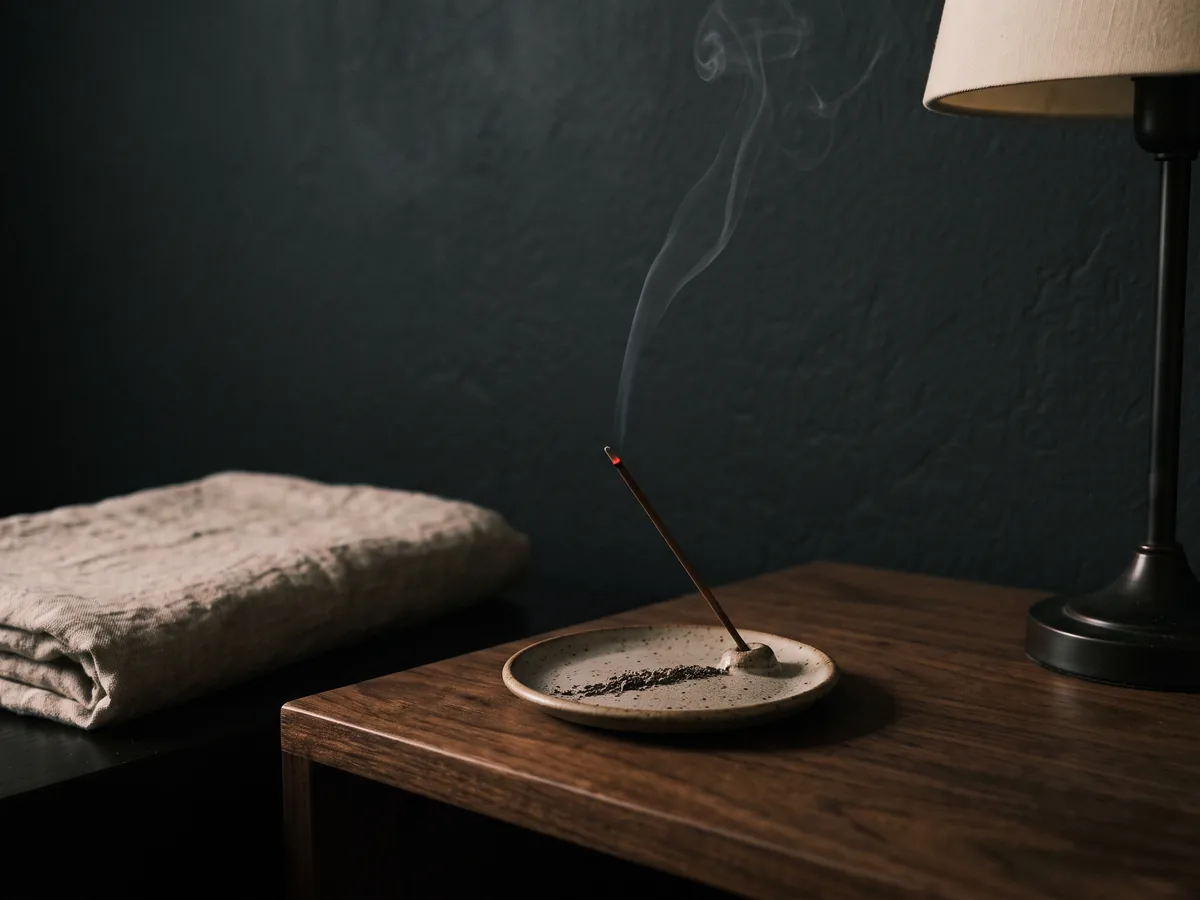
A single incense stick burning on a plate holder on a bedside table in the evening

Bedroom and evening use at home

A small room, one person, twenty minutes to half an hour before the end of the day.

What it constrains
Short burn and low smoke volume. A stick that runs 60 minutes in a bedroom is the wrong stick, and ash that scatters off a plate is the single most common reason a home user does not rebuy.
Formats that fit
Coreless sticks at 13.5 cm · low-smoke sticks · a plate holder that catches the full column
For the buyer
The highest-volume home format and the one most often sold as a boxed set with its holder. Buyers in this segment specify burn time before they specify grade.
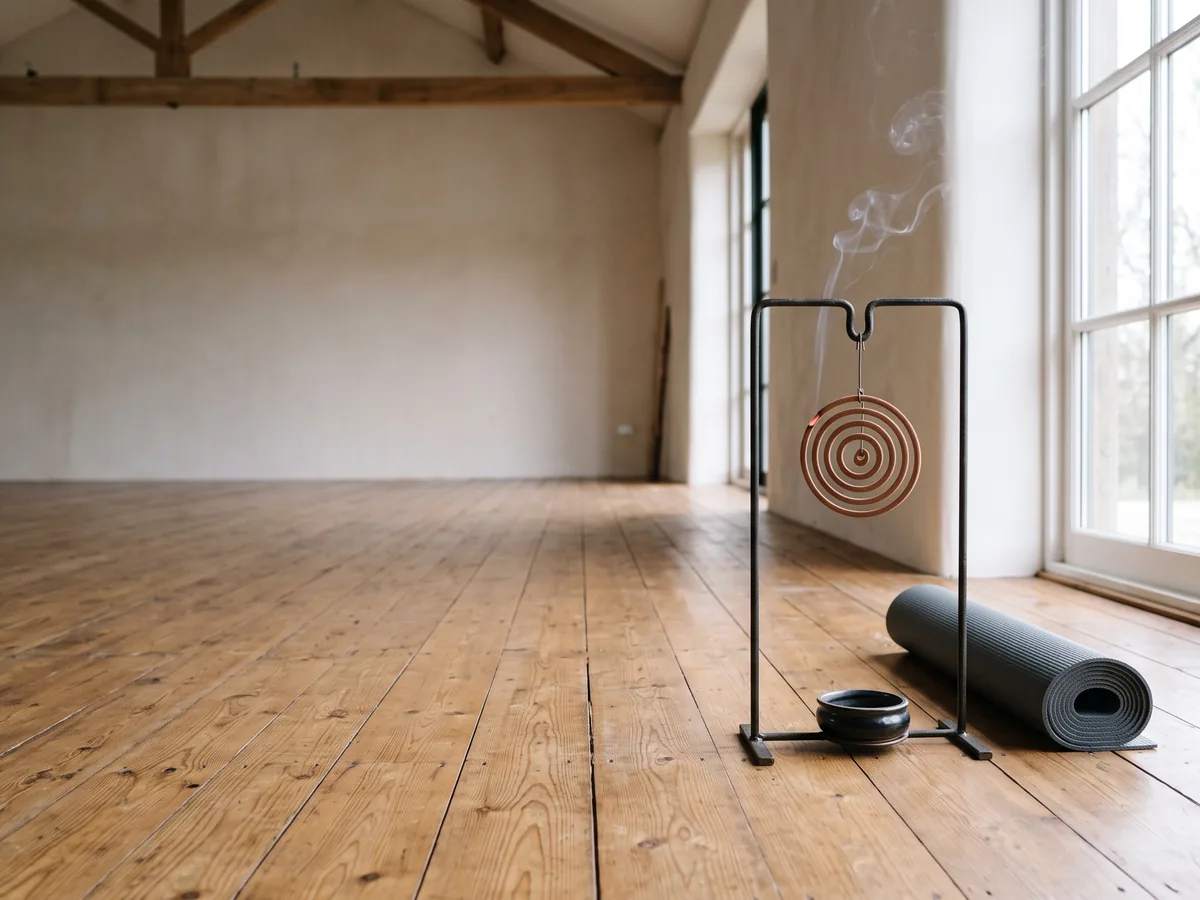
An incense coil burning on a stand at the edge of a studio floor during a class

Yoga and indoor movement

A studio or a cleared room, forty-five to ninety minutes, nobody watching the incense.

What it constrains
Long and unattended. The burn has to hold for the whole session and finish safely on its own, which is a coil or a long stick rather than anything that needs re-lighting.
Formats that fit
Incense coils · long sticks with a stand that keeps the ash off the floor
For the buyer
Studios buy in bulk on plain packaging and reorder on a fixed cycle. Low unit price, high volume, and almost no interest in gift presentation.

All products in this category

Incense Holders & Agarwood Stands — 3 products

Each product page carries full specifications, test data, compliance detail and an enquiry form.

Tradition & meaning

The object that marks the place

In a Japanese home the koro or the stick holder sits in a fixed spot. And that spot becomes the place where attention is gathered — the same function an altar performs at larger scale. The holder is not an accessory to the incense. It is the piece of furniture that says this is where the ritual happens. It is the reason the practice survives past the first box of sticks.

Related sourcing information

Origins, grades and related lines

Material and origin

Every line on this page is made from the same material: Plantation Aquilaria from Guangdong & Hainan, China. One grade, one origin, across every line we make. That is the point rather than a limitation: it is what makes a batch reproducible against a retained reference sample months later. What happens to it between the block and the box is set out on the factory tour, stage by stage.

Markets we supply this line to

Related product lines

Watch

Setting a coil on the holder and lighting it

A spiral coil placed onto its holder, lit at the tip and left to burn — how the holder carries the coil clear of the surface.

Incense set on an incense holder and lit at the tip

Setting a coil on the holder and lighting it

A spiral coil placed onto its holder, lit at the tip and left to burn — how the holder carries the coil clear of the surface.

Buyer Questions

Incense holder — frequently asked questions

Will one holder fit all of your incense stick formats?

Yes for the ceramic and brass lines. They use a tapered bore that grips sticks from 1.2 mm fine Japanese koh up to 3.5 mm thick Arabic formats. That means you can bundle a single holder SKU with any stick SKU in your range, which considerably simplifies gift-set assembly.

How large does an ash catcher need to be?

A stick burning at a slight lean drops ash roughly 40 to 90 mm from the base depending on stick length. Plate holders should therefore be at least 100 mm across, and boat or trail formats should run the full length of the stick. Our sizing follows those figures rather than photographic appeal.

Can you assemble gift sets combining holders and sticks?

Yes. Any holder can be paired with any stick SKU in a printed rigid box, from 100 sets. We handle the assembly, the insert tray and the print. This is consistently the highest-margin retail unit in the category. So it is worth building into your range rather than treating as a seasonal add-on.

Are the brass stands solid or plated?

Solid brass with a weighted base, not plated hollow. It roughly doubles the material cost and it is the reason the piece reads as premium the moment a customer picks it up. If you carry only one high-price holder SKU, this is the one that performs.

How do you protect ceramic pieces in transit?

Each piece ships in an individually foam-lined box inside a master carton of 20 or 40 units. Breakage is the dominant cost risk on ceramic and bulk-packing to save a few cents per unit reliably costs more in replacements and damaged retail relationships.

Ordering, lead time, payment, shipping and claims are answered in full on the buyer FAQ.

Ready to order incense holders & agarwood stands?

Send quantity, grade, packaging and destination. We reply within one business day with a formal price list — and we will tell you if a different line in our range fits your market better.

Request a quoteWhatsApp