About us
Incense Manufacturers With a Deliberately Narrow Range
Six core lines and the three attach lines that sell them. We do not carry bakhoor, wood chips, bracelets, carvings, jewellery or seedlings. Those are different products with different disciplines behind them, and carrying them would dilute the one thing we are actually good at.
Focus
Why the range is this narrow
Agarwood suppliers usually widen. A factory that starts with incense adds bracelets, then carvings, then whatever else the material can be turned into, and within a few years the catalogue covers everything and the specialisation covers nothing. It is an understandable path and it produces suppliers who are adequate at many things.
We went the other way. Incense sticks, cones and coils, incense powder, agarwood essential oil, and the holders, censers and bottles those lines need to sell at retail — all of it is our own production, made on our own tooling to our own specification. That is the whole range and it is intended to stay that way. The discipline is in what we have left out, not in what we have added.
The reason is that the hard parts of this trade are specific and they do not transfer. Holding a Japanese account requires batch reproducibility discipline — a retained reference sample, a trained panel, and the willingness to hold back a run that has drifted. Selling oud oil credibly requires GC-MS tied to a batch number, a sealed retention sample and batch reservation. Getting a container of incense through customs requires knowing that the binder has to be named on the invoice. None of that expertise applies to a bracelet, and a supplier spread across both is doing neither properly.
Bakhoor is the clearest example of what we deliberately leave alone. It is a real and substantial market, and it is a chip-and-burner business rather than a stick-and-specification business — different sourcing, different grading, different customer. We would be an average bakhoor supplier, so we are not one at all.
If you need bakhoor, wood chips, bracelets, carvings, logs or seedlings, AgarwoodTown covers that side of the category. We would rather point you there than take an order we cannot do well.
How we operate
Four things we do as incense manufacturers
We state specifications as numbers
Binder ratio, moisture at packing, mesh conformity, burn rate, self-extinguish rate, dimensional tolerance. A supplier who will not state them cannot be held to them.
We keep a retention sample of everything
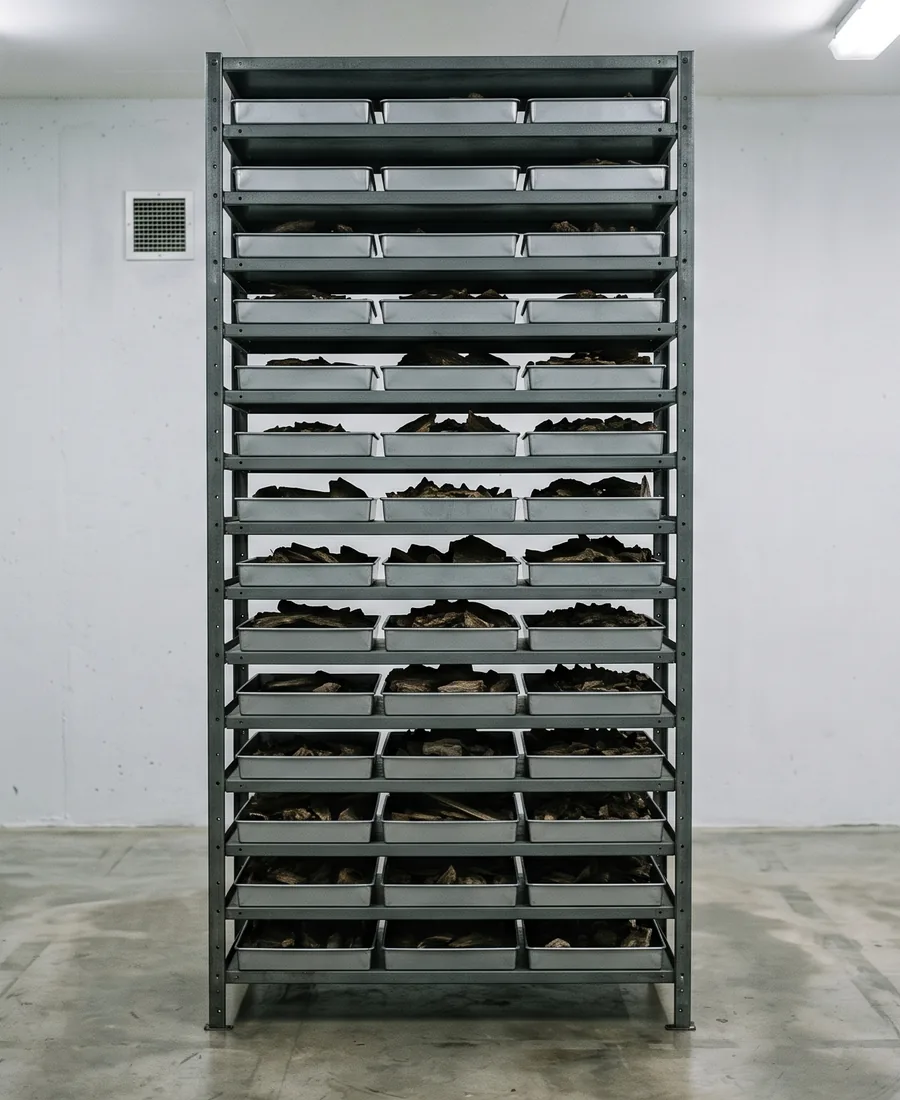
Sealed at packing and held three months from dispatch, across every grade. So a question raised inside that window is settled against physical material rather than recollection.
We sell paid samples before wholesale
From the exact batch, credited against your first order, with the balance reserved under your name for thirty days once you approve it.
We say no when it is the right answer
If a grade will not do what you need, if a format is wrong for your market, or if what you want is outside our range, we will tell you rather than take the order.
Sustainability
Plantation first, and honestly labelled
Wild Aquilaria populations were pushed onto international protected lists by exactly the demand this industry generates. That is not a historical footnote — it is the operating condition of the trade. It determines what a responsible supplier can offer.
Everything we ship is plantation Aquilaria with managed induction — not most of it, all of it. We hold no wild-collected material at any grade and do not broker it. It is reproducible, it documents cleanly, and it is the version of this business that still exists in fifty years. The cost of that choice is that we cannot serve a buyer who specifically wants wild-band or kynam. We would rather say so on this page than take the enquiry and improvise.
We will not label plantation material as wild. It is the most common misrepresentation in this trade and it is trivially profitable. That is precisely why declining to do it is worth saying out loud.
In more detail
How we are actually set up
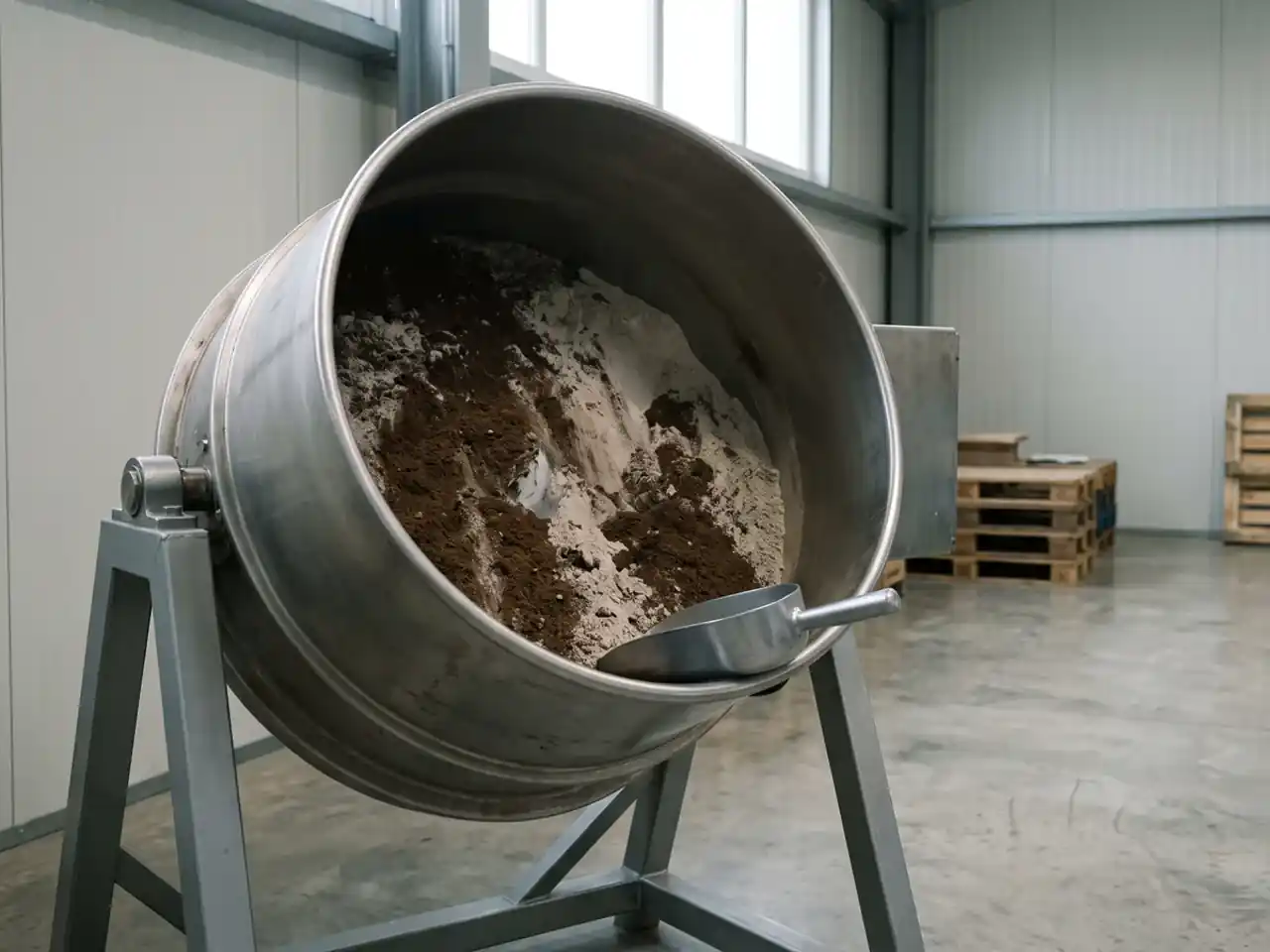
What the operation looks like from the inside, since a narrow range implies a narrow factory. We run our own forming lines for sticks, cones, coils and backflow, our own milling for powder, and our own distillation for oil. The hardware lines — holders, censers, bottles and boxes — are made to our specification by partners we have used for years. We say so plainly rather than implying we press ceramics ourselves.
That split is deliberate. The consumable lines are where reproducibility lives, and reproducibility is not something you can outsource and then promise. The hardware lines are where tooling capital and craft skill live, and pretending otherwise would mean doing both badly. A buyer is better served by a supplier who is explicit about which is which.
Where we are weakest, stated before you find it. Our photographic library is thinner than our specification library, so several gallery positions on this site are still empty rather than filled with stock imagery. Several test values are stated as method and delivery point rather than as a measured number, because we have not run those tests yet. Both are visible on the pages themselves rather than hidden.
What we will not do. We do not carry bakhoor, bracelets, carvings or raw logs. We will not take an order for them by sourcing from someone else and putting our name on it. We do not supply wild-collected material at any grade. And we do not quote a price before we know the destination, because the document pack is part of the cost and it varies.
Practicalities
How to work with us
The fastest route from first contact to a real quotation is six lines: destination country, product line and format, grade or target retail price band, quantity, whether it is a trial or a programme. Any date you are working backwards from. Anything missing from that list we will have to ask about, and asking costs a day each time.
We reply to everything within one business day, including the answers that are not useful to us. If your requirement sits outside our range we will say so and point elsewhere rather than proposing something adjacent. That is not generosity; a mismatched order costs us more in handling than it earns.
In practice
How long we have been doing this
Long enough to have made most of the mistakes on this site once. The customs holds, the batch that drifted, the packaging that failed in transit. The specificity on these pages comes from that rather than from research.
We are not the largest supplier in this category and do not try to be. Scale in this trade usually means range, and range is what we deliberately gave up.
What we optimise for is the second order. Everything on this site is arranged around whether you would place one: the reference samples, the batch numbers, the reservations, the documents sent ahead.
That is also the honest measure to hold us to. Do not judge the first shipment. Judge whether the second one matched it.
Watch
Pressing and shaping on the floor
Incense material pressed and shaped by machine, handled and laid onto trays before the next stage.
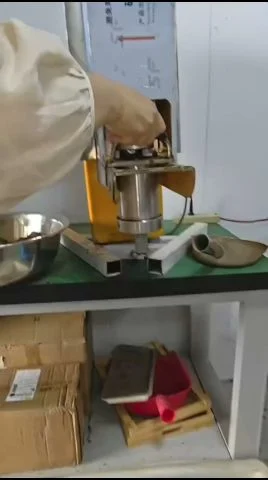
Pressing and shaping on the floor
Incense material pressed and shaped by machine, handled and laid onto trays before the next stage.
Want to see how it is actually made?
The factory tour and quality control pages cover production, testing and the specifications we hold ourselves to.