Who we supply
Incense Suppliers for Retail, Hotels, Perfumery and Temple Buyers
The market pages answer where you are selling. These answer who you are. The product range is the same across all five, but the order pattern, the packaging and the paperwork are not — and it is usually the channel, not the country, that decides which format you can actually use.
Five channels
Find the one that describes you

Retail & ecommerce
The broadest channel and the most format-sensitive, because the customer decides in seconds and the box does most of the work.
I sell to end customers, in a shop or online.
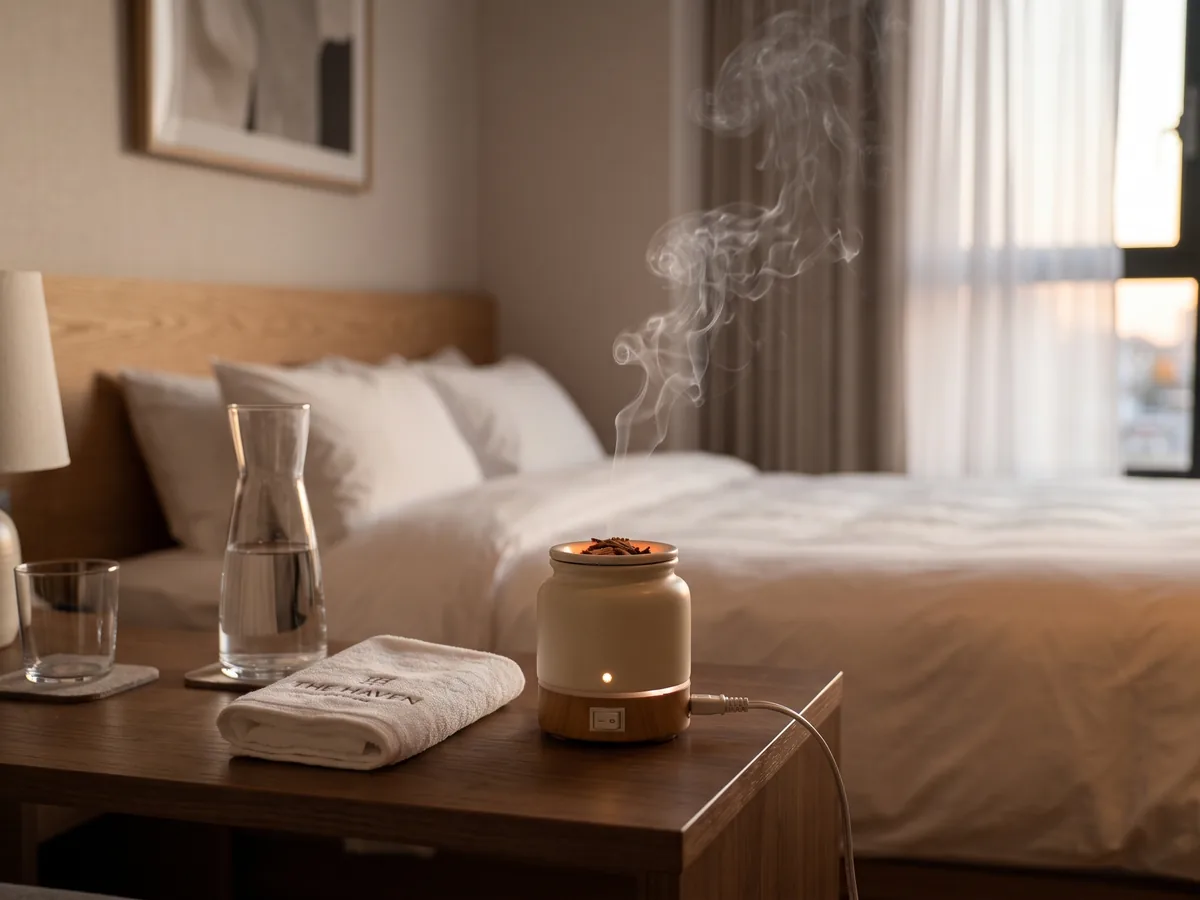
Hospitality & amenity
The channel where the building decides the format. Fire policy rules out more products here than budget does.
I supply hotels, spas, clinics or offices.

Perfumery & fragrance houses
The most analytically demanding channel. Nobody here buys on description — they buy on a chromatogram and a retained reference.
I formulate with oud oil, or I bottle it.

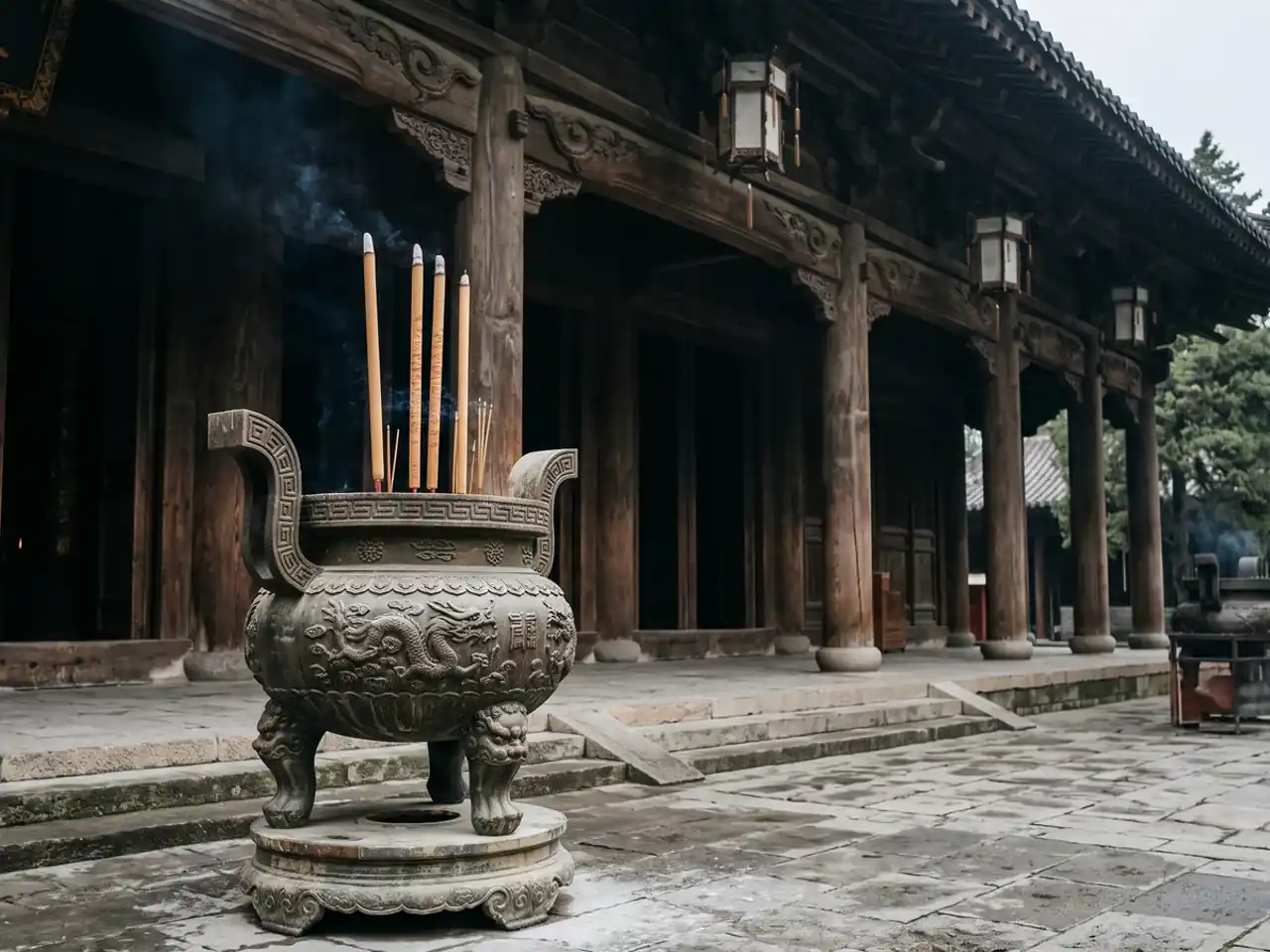
Temple & religious supply
Contract supply rather than retail. Length and repeatability do the work, and the specification has to hold across a year of deliveries.
I supply temples, monasteries or religious retail.

Brands & private label
The channel where the specification becomes yours. Longer to set up, and the only one where a pre-production sample is not optional.
I sell under my own brand, or I make my own product.
At a glance
What changes between channels
| Channel | Typically buys | Packaging | What gates the order |
|---|---|---|---|
| Retail & ecommerce | Coreless and low-smoke sticks in retail tubes or boxes | Stock retail packaging is usually right for a first order. | Buying by scent and ignoring burn time |
| Hospitality & amenity | Temperature-controlled burners, which heat powder without combustion | Plain bulk packing in most cases — the guest rarely sees the box. | Quoting lit incense into a building that forbids open flame |
| Perfumery & fragrance houses | Hydro-distilled oud oil, and CO₂ extract where a cleaner profile is wanted | The bottle is part of the product here. | Accepting a GC-MS that is not tied to your batch |
| Temple & religious supply | Temple long-burn sticks at 40, 60 and 90 cm | Plain bulk packing, because presentation is not what this channel is buying. | Ordering by scent grade when the constraint is burn time |
| Brands & private label | Any core line, blended and dosed to an agreed specification | This is the point of the channel. | Committing to a private-label run before evaluating the product |
Why this page exists
The channel usually decides the format, not the country
A hotel group in Dubai and a hotel group in Berlin have more in common with each other than either has with a souq retailer down the road. Both are constrained by a fire policy, both order against a property calendar rather than against sell-through, and both need the same specification a year later. That is a channel problem, not a market problem.
This matters because the two axes fail in different ways. Getting the market wrong means a format that underperforms — a stick that is too long, a scent that reads as thin. Getting the channel wrong means a product that cannot be used at all: lit incense quoted into a building that forbids open flame, or a 500-box private-label run committed before anyone burned a sample.
So read both. The market page tells you what the region expects; the channel page tells you what your own operation can actually take delivery of, sell and reorder.
Overlaps
What to do when you are two of these at once
Most buyers are. A brand that sells its own boxes online is retail and private label at the same time; a distributor supplying both gift shops and hotel groups is retail and hospitality. The pages are not exclusive categories and you do not have to pick one.
The useful rule is to read the channel with the tightest constraint first, because that is the one that will rule something out. Hospitality nearly always wins that contest, since a fire policy can eliminate a whole format rather than merely making it a worse choice. Private label wins over retail, because the 500-box floor and the pre-production sample step change how a first order has to be sequenced. Perfumery wins over everything on the oil lines, because a batch-tied GC-MS is a harder requirement than any packaging preference.
Then read the looser one for the parts the tighter page does not cover — usually packaging and how the shelf is built. In practice that means a hotel-and-gift-shop distributor should specify the burner from the hospitality page and the presentation from the retail page, and a brand should sequence its first order the private-label way while merchandising it the retail way.
If two pages appear to contradict each other on a figure, they should not — every number on this site comes from one place. Tell us and we will fix it rather than explain it away.
Watch
Rolling a coil by hand
A coil rolled by hand in the workshop and packed — the slow route, kept for the small runs.

Rolling a coil by hand
A coil rolled by hand in the workshop and packed — the slow route, kept for the small runs.
You are here if — I sell to end customers, in a shop or online.
Retail & ecommerce
The broadest channel and the most format-sensitive, because the customer decides in seconds and the box does most of the work.
What this channel buys
- Coreless and low-smoke sticks in retail tubes or boxes
- Backflow cones sold with the burner they run on
- Incense coils for the longer-burn shelf
- Holders and censers as the attach-sale
Order pattern
There is no minimum quantity, and most first orders in this channel are a spread across three or four SKUs rather than depth in one. Reorders follow sell-through rather than a calendar, so lead time matters more than unit price — 15–25 days on stock formats.
Packaging
Stock retail packaging is usually right for a first order. Private label from 500 boxes is worth it only once a SKU has proven it sells, and going straight to private label on an untested line is the most common way money gets stuck in this channel.
What ships with the goods
A safety data sheet if you carry oil, and a certificate of analysis on request if a marketplace or a customer asks for one. Marketplace listings increasingly ask for both, and having them ready shortens a listing review from weeks to days.
What goes wrong in retail & ecommerce
Specific to this channel rather than general sourcing advice — these are the ones that cost money.
- Mistake 1
Buying by scent and ignoring burn time
A 60-minute stick in a bedroom-sized room is the wrong product no matter how good it smells. Match the burn time to the room your customer actually has before you match the scent.
- Mistake 2
Selling the incense without the holder
Ash scatter off an unsuitable holder is the single most common reason a home customer does not rebuy. Bundling a plate holder that catches the full column costs little and protects the reorder.
- Mistake 3
Going to private label before the SKU has sold
Private label carries a 500-box floor and a 25–35 day lead from artwork approval. Prove the line on stock packaging first; the branding can follow the sell-through.
The settings this channel is buying for
| Bedroom and evening use at home | Short burn and low smoke volume. A stick that runs 60 minutes in a bedroom is the wrong stick, and ash that scatters off a plate is the single most common reason a home user does not rebuy. |
|---|---|
| Study, reading and desk work | The burn has to last the sitting without being re-lit, and the scent has to stay in the background. A heavy top note competes with the work rather than framing it. |
| Living rooms and display | The burner is the product. It has to look right cold, because most of the time it is cold — which puts the buying decision on the piece rather than on what burns in it. |
You are here if — I supply hotels, spas, clinics or offices.
Hospitality & amenity
The channel where the building decides the format. Fire policy rules out more products here than budget does.
What this channel buys
- Temperature-controlled burners, which heat powder without combustion
- Incense powder for those burners, mesh-graded for even release
- Backflow cones and burners for lobby and lounge display
- Low-smoke sticks where an open flame is permitted
Order pattern
Scheduled rather than opportunistic: an agreed quantity against a property or a season, reordered on a fixed cycle. This is the channel most likely to want the same specification a year later, which makes batch consistency and the retention sample the part of the offer that matters.
Packaging
Plain bulk packing in most cases — the guest rarely sees the box. Where the amenity is branded, private label from 500 boxes applies and artwork approval sits on the property group's timetable rather than ours.
What ships with the goods
A certificate of analysis is usually a procurement requirement here rather than a nicety, so budget for it — ours is issued on request and charged. For electric burners, conformity evidence for the destination market is the gating item — see the pitfall below.
What goes wrong in hospitality & amenity
Specific to this channel rather than general sourcing advice — these are the ones that cost money.
- Mistake 1
Quoting lit incense into a building that forbids open flame
Many hotels, clinics and offices prohibit any open flame in guest or work areas. Confirm the fire policy before you specify a format. The temperature-controlled burner is the only line here that clears such a policy, because it heats powder rather than burning it.
- Mistake 2
Treating the electric burner as an ordinary product
It is a powered appliance. Selling one into the EU without conformity evidence is an import problem, not a paperwork inconvenience, and the liability sits with the importer rather than the factory. Confirm at enquiry what evidence exists for the specific model before you commit to a quantity.
- Mistake 3
Approving a sample and then ordering months later
We hold the balance of an approved batch under your name for 30 days at no charge. Beyond that the lot may be gone, and on a natural material the next lot is not identical. Long procurement cycles need the reservation and the order sequenced deliberately.
The settings this channel is buying for
| Offices and shared spaces | No ash scatter, and in many buildings no open flame at all. This is the one setting where the constraint can rule out combustion entirely rather than just narrowing the format. |
|---|---|
| Yoga and indoor movement | Long and unattended. The burn has to hold for the whole session and finish safely on its own, which is a coil or a long stick rather than anything that needs re-lighting. |
| Living rooms and display | The burner is the product. It has to look right cold, because most of the time it is cold — which puts the buying decision on the piece rather than on what burns in it. |
You are here if — I formulate with oud oil, or I bottle it.
Perfumery & fragrance houses
The most analytically demanding channel. Nobody here buys on description — they buy on a chromatogram and a retained reference.
What this channel buys
- Hydro-distilled oud oil, and CO₂ extract where a cleaner profile is wanted
- Tola flasks, dropper bottles and roll-on bottles
- Rigid gift-box packaging for the finished article
- Incense powder as a raw material rather than a finished product
Order pattern
Small quantities, high scrutiny, long evaluation. There is no minimum on oil — a 5 g paid sample drawn from a real batch rather than a display lot. Expect the sample stage to take longer than in any other channel, and expect the buyer to want the same lot again once it clears.
Packaging
The bottle is part of the product here. Tola flasks, amber dropper bottles and steel-ball roll-ons are all in range, and the choice interacts with the oil — closure material and liner matter more than appearance once the oil sits in the bottle for a year.
What ships with the goods
GC-MS tied to the batch number on your bottle rather than to a generic product-line specimen, commissioned from an independent laboratory at cost. A safety data sheet ships with oil as standard; read Section 9 before booking freight, because the flash point recorded there governs the transport classification.
What goes wrong in perfumery & fragrance houses
Specific to this channel rather than general sourcing advice — these are the ones that cost money.
- Mistake 1
Accepting a GC-MS that is not tied to your batch
A chromatogram for the product line tells you what the line can look like, not what is in your drum. Ask for the batch number on the report to match the batch number on the bottle. If they do not match, the document is marketing rather than analysis.
- Mistake 2
Assuming oud oil ships as dangerous goods
Most essential oils flash below 60 °C and travel as UN 1993 Class 3, which brings a surcharge, a certified packer and quantity limits on passenger aircraft. Agarwood oil is a heavy sesquiterpene distillate and the sheet issued for your batch is what records the figure and the classification that follows. If a forwarder quotes DG handling by default, send them Section 14.
- Mistake 3
Not reserving the lot you approved
On a natural distillate no two lots are identical, and a formulation approved against one lot will not reproduce against the next. We hold the balance of an approved batch for 30 days at no charge — use it.
The settings this channel is buying for
| Study, reading and desk work | The burn has to last the sitting without being re-lit, and the scent has to stay in the background. A heavy top note competes with the work rather than framing it. |
|---|---|
| Living rooms and display | The burner is the product. It has to look right cold, because most of the time it is cold — which puts the buying decision on the piece rather than on what burns in it. |
What we would quote
You are here if — I supply temples, monasteries or religious retail.
Temple & religious supply
Contract supply rather than retail. Length and repeatability do the work, and the specification has to hold across a year of deliveries.
What this channel buys
- Temple long-burn sticks at 40, 60 and 90 cm
- Large coils for spaces that need an unattended burn
- Seal incense powder, where the pressed pattern measures a service
- Stands and censers sized to the space rather than to a table
Order pattern
Scheduled quantities against a calendar of observances, in bulk, with the same specification expected each time. Seasonal peaks need a 90-day runway — work backwards from the observance rather than forwards from today, and give us the date the goods must be on site rather than the date you want to order.
Packaging
Plain bulk packing, because presentation is not what this channel is buying. Where boxes are used they are usually for handling rather than for display, which makes carton strength worth more than print quality.
What ships with the goods
A certificate of analysis on request. Where the destination route requires permits or government-issued certificates, those run on a government timetable rather than ours — tell us the destination at enquiry and we will confirm the document set before you order rather than after.
What goes wrong in temple & religious supply
Specific to this channel rather than general sourcing advice — these are the ones that cost money.
- Mistake 1
Ordering by scent grade when the constraint is burn time
Here the incense is the timer. A lot that runs short changes the length of a service, which is a different kind of failure from a lot that smells slightly different. Specify the burn time first and let the grade follow.
- Mistake 2
Planning a seasonal programme forwards from today
Ramadan, Eid and year-end need a 90-day allowance covering production, any permits your route requires, inspection before the container seals, and sea freight with slack for a missed sailing. Planning forwards is how seasonal orders end up air-freighted or arriving after the season.
- Mistake 3
Pairing long sticks with domestic holders
A 40 cm stick in a plate holder made for a 13.5 cm one drops ash outside the plate for most of its burn. Size the stand to the stick, not to the shelf it came from.
The settings this channel is buying for
| Meditation and formal practice | Burn time has to be repeatable between batches, because here the stick is the timer. A lot that runs eight minutes short changes the length of the practice. |
|---|---|
| Temples and institutional supply | Length and volume. A domestic stick is invisible in this space, and re-lighting through a service is not workable, so length does the work. |
You are here if — I sell under my own brand, or I make my own product.
Brands & private label
The channel where the specification becomes yours. Longer to set up, and the only one where a pre-production sample is not optional.
What this channel buys
- Any core line, blended and dosed to an agreed specification
- Bulk incense powder and oil as input material
- Rigid gift-box packaging and assembled sets
- Bottles and closures chosen for the oil rather than for the shelf
Order pattern
Private label runs from 500 boxes, 25–35 days from written artwork approval, and add 10 days if new tooling is needed. Production begins only after you approve a pre-production sample — that step is not a formality and it is where most private-label problems get caught cheaply instead of expensively.
Packaging
This is the point of the channel. Stock, private label or assembled gift sets, each with a different floor and a different lead time. Artwork approval is written rather than verbal, because a run made against a verbal approval has nothing to check against when it arrives.
What ships with the goods
A certificate of analysis on request, a safety data sheet on oils, and whatever the destination route requires. If you are putting your own name on the box, the specification behind it is worth reading closely — you inherit it.
What goes wrong in brands & private label
Specific to this channel rather than general sourcing advice — these are the ones that cost money.
- Mistake 1
Committing to a private-label run before evaluating the product
The single most expensive sequence in this category. A paid sample costs very little and converts an assumption into knowledge; a 500-box run made against an assumption converts money into stock.
- Mistake 2
Approving artwork verbally
Written approval is what a pre-production sample is checked against. Without it there is no agreed reference, and a disagreement after the run has no fact to settle it.
- Mistake 3
Specifying a scent without specifying a burn
Binder ratio, moisture and format decide whether a stick burns cleanly. A blend approved on smell alone can still self-extinguish or smoke heavily once it is in a customer's room. Approve the burn as well as the scent on the pre-production sample.
The settings this channel is buying for
| Bedroom and evening use at home | Short burn and low smoke volume. A stick that runs 60 minutes in a bedroom is the wrong stick, and ash that scatters off a plate is the single most common reason a home user does not rebuy. |
|---|---|
| Study, reading and desk work | The burn has to last the sitting without being re-lit, and the scent has to stay in the background. A heavy top note competes with the work rather than framing it. |
| Tea room and tea service | It cannot compete with the tea. That rules out anything with a loud opening, and it usually rules out a plate holder in favour of a lidded censer that softens the release. |
| Living rooms and display | The burner is the product. It has to look right cold, because most of the time it is cold — which puts the buying decision on the piece rather than on what burns in it. |
Buyer questions
Questions we get by channel
How many SKUs should a first retail order cover?
Three or four, spread across formats rather than concentrated in one. A shelf with only sticks does not tell a customer that grades or formats mean anything, and a shelf with one of everything ties up money in lines you have not tested. Start with a stick, a cone or coil, and one holder, and let the sell-through tell you where to go deeper.
Do you supply images and specifications for listings?
The written specification for each line is on its product page and is what we contract to, so you can lift the figures directly into a listing. Photography we supply on request for lines you actually carry. What we will not do is give you a claim we cannot stand behind — if a figure is not measured yet, the specification page says so rather than quoting a number.
What do we use where open flame is not allowed?
A temperature-controlled burner with mesh-graded powder. It heats the material below combustion, so there is no flame, no ember and no ash, which is what a fire policy is written against. It is the only line in our range that clears such a policy, and it is usually the way into hotel, clinic and corporate accounts that cannot buy anything lit.
Can you hold a specification across a year of deliveries?
That is what the retention sample exists for. We seal a sample of every batch and hold it three months from dispatch, so a delivery inside that window can be checked against the one you approved rather than against a description. Tell us at quotation stage that this is a scheduled programme and we will plan the lots around it instead of selling from whatever is current.
Is the GC-MS included or charged?
It is commissioned from an independent laboratory on request and passed through at the laboratory's cost rather than marked up. We would rather you had a report issued by someone with no interest in the outcome than one issued by the supplier of the goods — an analysis from the seller is a weaker document, and at this price band the weaker document is not worth having.
Can we get the same profile again on a repeat order?
Close, not identical, and anyone promising identical on a natural distillate is describing something else. What we can do is reserve the balance of the lot you approved for 30 days, seal a retention sample so a later lot can be compared against it rather than against a description, and tell you honestly when a new lot has drifted rather than shipping it and hoping.
How far ahead should a festival order be placed?
Ninety days before the goods need to be on site, not before you want to order. That window covers production, any permit your import route runs on a government timetable, inspection on the packed consignment before sealing, and sea freight with slack for one missed sailing. Tell us the shelf date and we will work the schedule backwards from it.
Can you match the incense a temple already uses?
Often, and the way to find out is to send a physical sample rather than a description. We will burn it against our lines, tell you which one comes closest, how close that actually is, and at what price band — including when the answer is that we cannot match it at your target cost. What we will not do is accept a match brief and hope. On a supply that runs for years, a near-miss discovered after the first delivery is worse than an honest no before it.
Do long sticks need a different stand?
Yes, and this is the most common avoidable complaint in this channel. A 40, 60 or 90 cm stick burns well outside the footprint of a holder made for a 13.5 cm one, so ash lands on the surface rather than in the tray for most of the burn. Size the stand to the stick — we quote them together for this reason rather than leaving it to be discovered on site.
What is the minimum for a private-label run?
500 boxes, and 25–35 days from written artwork approval, plus 10 days if new tooling is required. The floor exists because below it the setup and documentation cost per unit stops making commercial sense for either side. If your first run would be smaller, start with stock packaging and let the brand follow the sell-through rather than lead it.
Do you make the product we specify, or only what is on the site?
Within the range we produce — pressed incense, powder and oil — the specification is negotiable: binder ratio, format, dimensions, grade. Outside it we will say so rather than take the work. Send a physical sample if you are matching something you already buy and we will tell you honestly whether we can match it, how closely, and at what price band, including when the answer is that we cannot at your cost.
Ordering, lead time, payment, shipping and claims are answered in full on the buyer FAQ.
Related
Or go straight to the range
All products
Six core lines and the hardware that sells them, each with full specifications.
By market
Five destinations, and the format conventions each one treats as non-negotiable.
Incense Finder
Six questions covering market, channel, format and quantity, ending in a shortlist.
Tell us which of these you are and we will quote accordingly
The more specific the channel, the more useful the first reply — it changes the quantity we suggest, the packaging we propose and the documents we prepare.