Service
Private Label Incense: Custom Blend Ratio and Stick Extrusion
Your brand on our production. Custom format, blend ratio, packaging and print, with a pre-production sample before every main run.
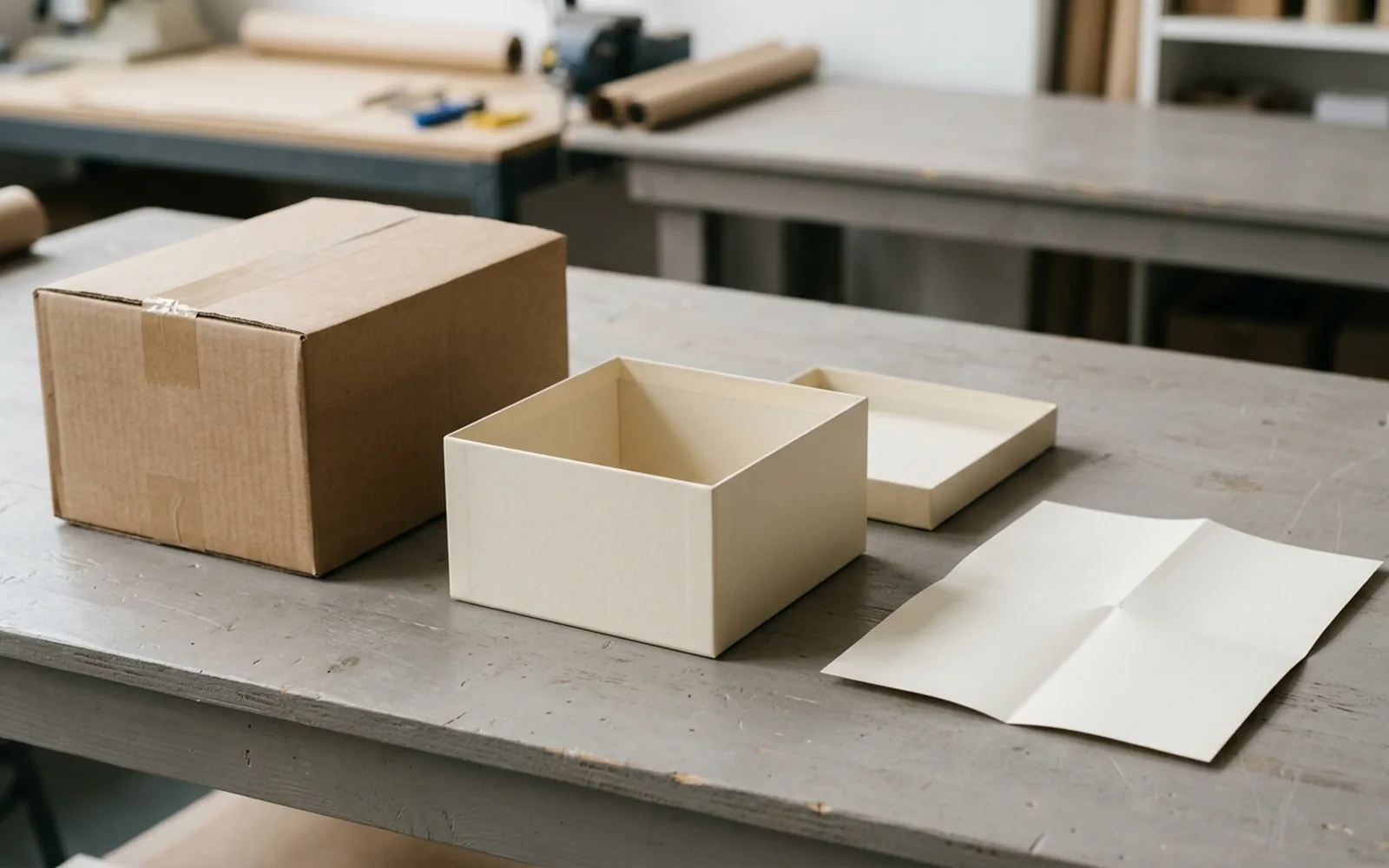
Detail
How oem / private label works
Private label is how most of our buyers eventually operate. And the sequence that works is almost always the same: validate the product with stock packaging at low quantity, then convert to your own brand on the reorder once you know the SKU sells. Starting with a full private-label run on an unvalidated product is the most common and most expensive mistake in this category.
What is specifiable: stick length from 8 to 30 cm, diameter, count per box, agarwood-to-binder ratio, coreless or bamboo core, powder mesh and blend, oil dilution, bottle and box structure, print and finish. What is not specifiable is anything that would compromise the burn or the documentation. We will not run a blend below 18% binder because the sticks break in the box. And we will not label plantation material as wild.
The process runs in a fixed order and we do not shortcut it. You send a brief or a physical reference. We quote against it and produce a costed specification. We supply the dieline to your artwork team. You approve artwork. We produce a pre-production sample of the actual finished unit. You sign off in writing. Only then does the main run start. That written sign-off exists to protect both of us — nobody should discover a colour, fit or scent problem at full quantity.
Lead times: 25 to 35 days from approved artwork for incense and powder, 30 to 40 days for decorated glass, 30 to 45 days for rigid gift boxes. Add 10 days if a new mould or die is required. Seasonal programmes for Ramadan, Eid or year-end gifting need to be ordered backwards from the shelf date with a 90-day allowance.
What is actually customisable, in the order that matters. The blend ratio and grade come first, because they set the cost and the character. Then format: length, diameter, count per box. Then the box itself. Buyers often start at the box and work inwards. That means the packaging is designed before anyone knows what is going in it.
Where the lead time really goes. Manufacturing is rarely the long pole. Artwork is. We supply the dieline immediately; the wait is usually for your side to return print-ready files, then for the Pantone proof round. Budget three weeks for that stage and the 25 to 35 day production window becomes predictable rather than optimistic.
Nothing starts until you sign off a pre-production sample. That is the actual finished retail unit, not a mock-up, and it exists to protect both sides. A colour that looked right on screen and wrong on uncoated board is cheap to fix at that stage and expensive to fix at full quantity.
A recommendation for first programmes. Run the first order on stock packaging — there is no minimum on those — and validate sell-through before committing to private label. It costs you a plainer box for one cycle. It saves you from printing five hundred boxes for a product the channel turns out not to want.
One more decision worth making early: whether you need the outer at the same time. A rigid gift box runs 30 to 45 days from approved artwork, which is longer than the product itself. Buyers who order the incense first and think about presentation later routinely end up shipping a premium product in a plain carton because the boxes were not ready.
And a note on artwork ownership. The dieline we supply is yours to keep and take elsewhere. We would rather you felt able to leave than felt locked in, because a programme held together by tooling rather than by results is not a programme worth having.
A closing note on minimums. Private label starts at 500 boxes because that is where the print and tooling economics change, not because we are trying to push volume. Below that, custom retail boxes on a stock product are usually the better answer. They start at a much lower quantity.
A note on what happens after the first run. Repeat orders on an approved specification move much faster, typically 15 to 20 days rather than 25 to 35, because the artwork, dieline and pre-production approval are already banked. Buyers often plan the second order on the first order timeline and end up carrying more stock than they needed.
Process
Step by step
- Step 1
Brief or reference
Send a written brief or a physical sample of what you want matched.
- Step 2
Costed specification
We quote against it and return a full specification with unit costs at each quantity break.
- Step 3
Artwork
We supply the dieline; your team returns artwork; we Pantone match and proof.
- Step 4
Pre-production sample
We build the actual finished retail unit and send it to you.
- Step 5
Written sign-off
Nothing starts until you approve in writing. This protects both parties.
- Step 6
Production and dispatch
Main run, QC, assembly, and shelf-ready dispatch with the batch paperwork.
What you receive
Deliverables
- Costed specification against your brief
- Dieline supplied to your artwork team
- Pantone matching with printed proof
- Pre-production sample of the finished retail unit
- Written sign-off before the main run starts
- Assembled, shelf-ready finished goods
Watch
Inside the plant: material, machines, finished stock
Raw material, the forming equipment, racks of finished incense, and one lit at the end.
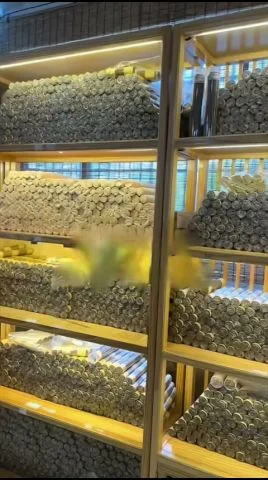
Inside the plant: material, machines, finished stock
Raw material, the forming equipment, racks of finished incense, and one lit at the end.
Buyer Questions
Private label incense — frequently asked questions
What is the minimum order for private label?
500 boxes for incense sticks and powder, 1,000 pieces for decorated glass, 500 sets for rigid gift boxes. Below those quantities the tooling and setup cost per unit stops making commercial sense. We will tell you so rather than take the order.
Should I go straight to private label?
Usually not. Validate the product first with stock packaging at 50 boxes, confirm it sells, then convert on the reorder. Committing to a full private-label run on an unvalidated SKU is the most expensive avoidable mistake in this category.
Can you match a competitor product?
Often, yes. Send a physical sample. We will assess it and tell you honestly whether we can match it, how closely, and at what price band — including when the answer is that we cannot match it at your target cost.
What happens if the pre-production sample is wrong?
We revise and send another. That is exactly what the stage is for, and it is why we require written sign-off before the main run. Iterating at sample stage costs days; iterating at 5,000 units costs a season.
Ordering, lead time, payment, shipping and claims are answered in full on the buyer FAQ.
Other services
What else we handle
Sample Service
Buy a small quantity of the exact batch first. We then reserve the balance of that batch under your name for 30 days.
Export Documentation
We run the paperwork sequence so the pack is complete before the goods move. Most agarwood customs problems are paperwork problems, not product problems.
Authentication & Grading
Verification of what you actually have, including material bought elsewhere. Sometimes the answer is that it is not what you were told.
Logistics & Shipping
Air by default so a small order does not wait for a container, sea when volume makes the weeks worth it, and packing specified against the real transit risk rather than the cheapest option. Freight is quoted separately and charged to you.
Enquire about oem / private label
Describe your situation in as much detail as you can. Specific questions get specific answers; generic enquiries get generic ones.