Core Line · Highest Value
Oud Oil Sold by the Documented Batch, Not by the Product Line
Supercritical CO₂ and traditional hydro-distilled oud oil, sold by the gram against a batch number you can check.
Key specifications
| Botanical name | Aquilaria sinensis / Aquilaria crassna |
|---|---|
| Extraction | Supercritical CO₂ · traditional hydro-distillation |
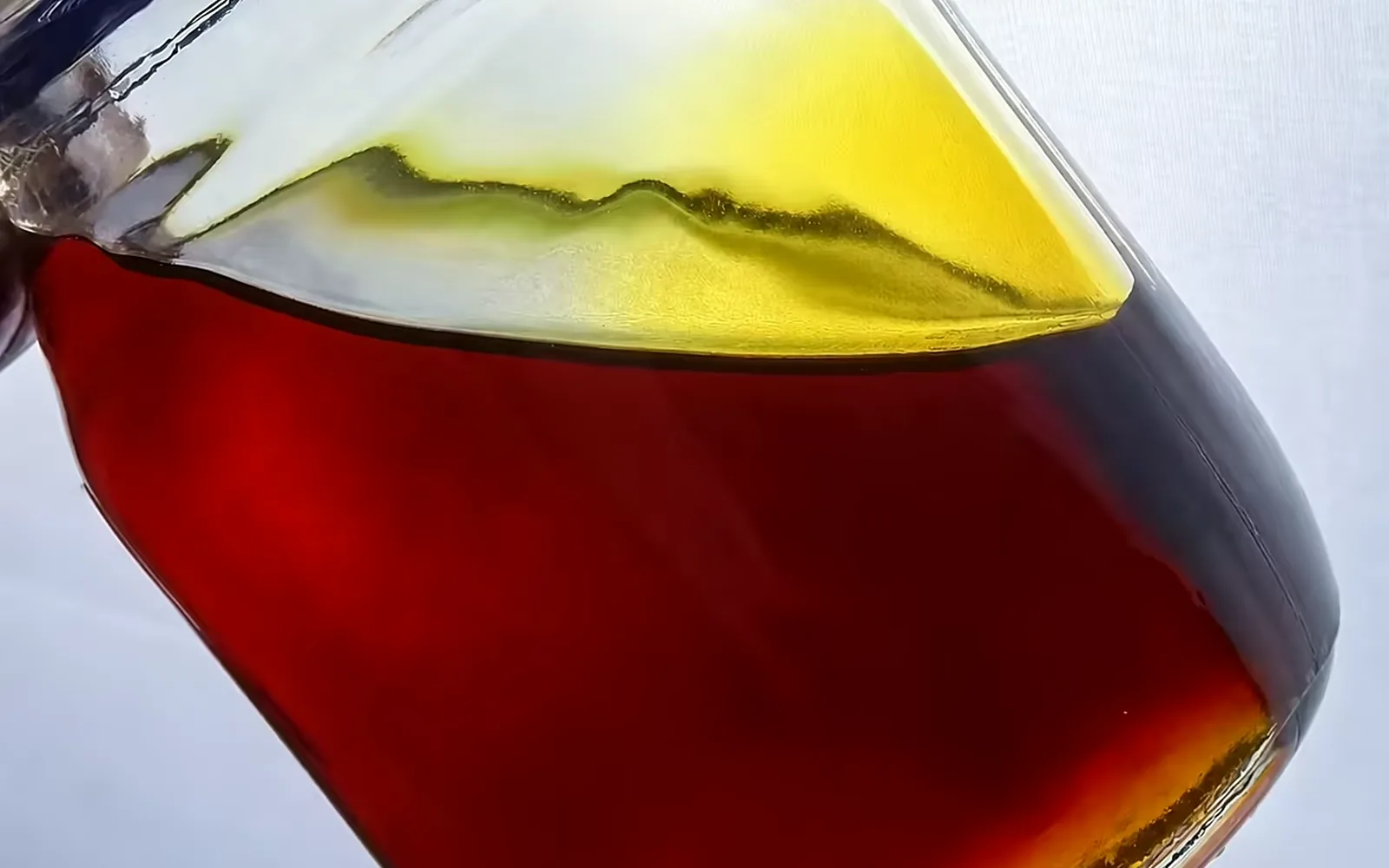
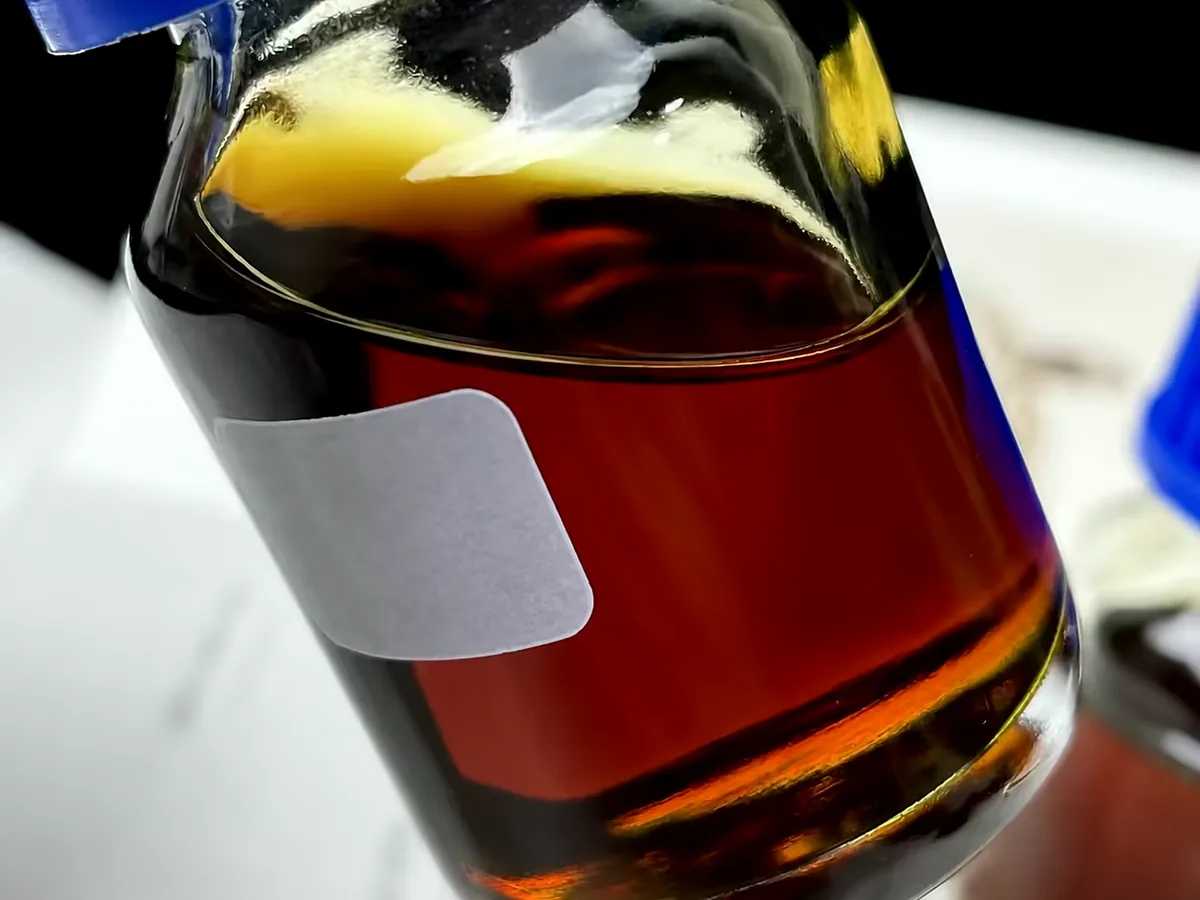
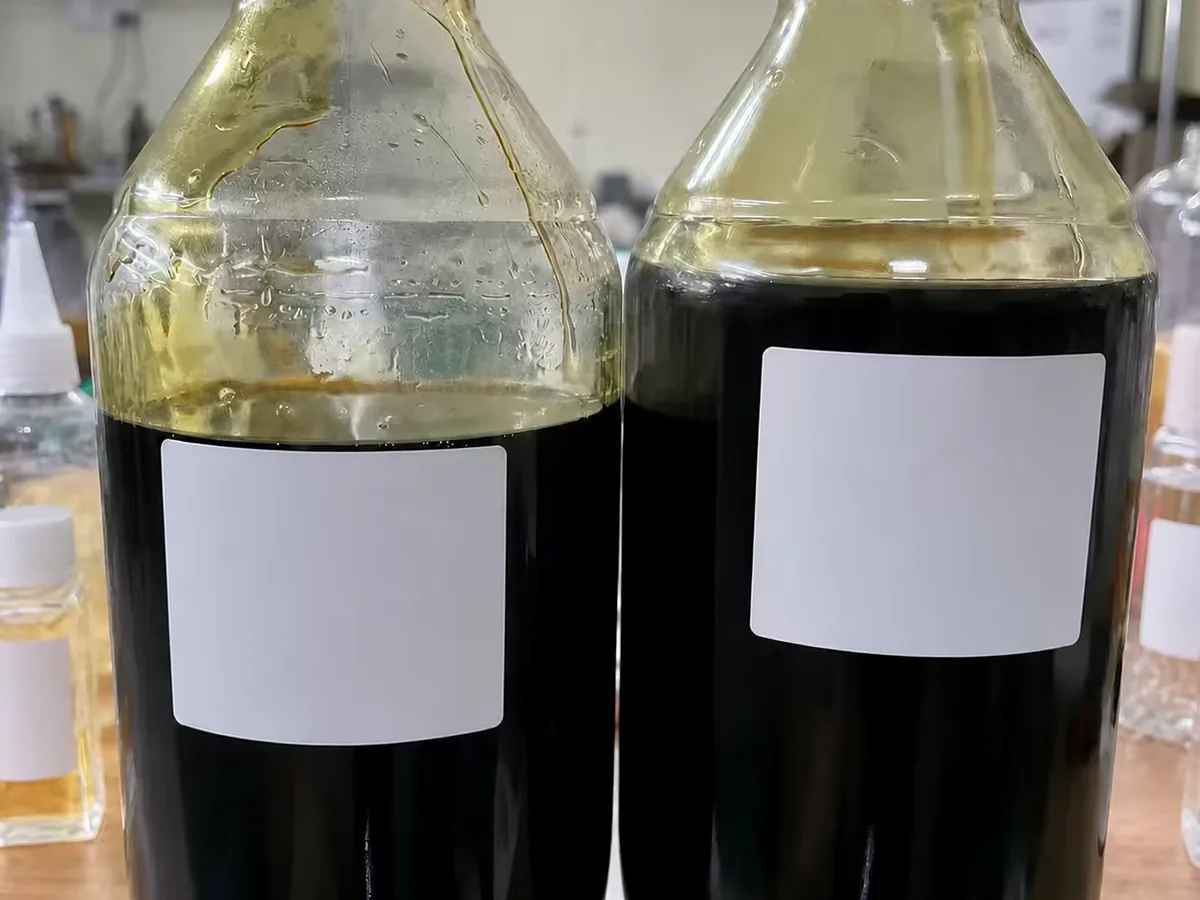
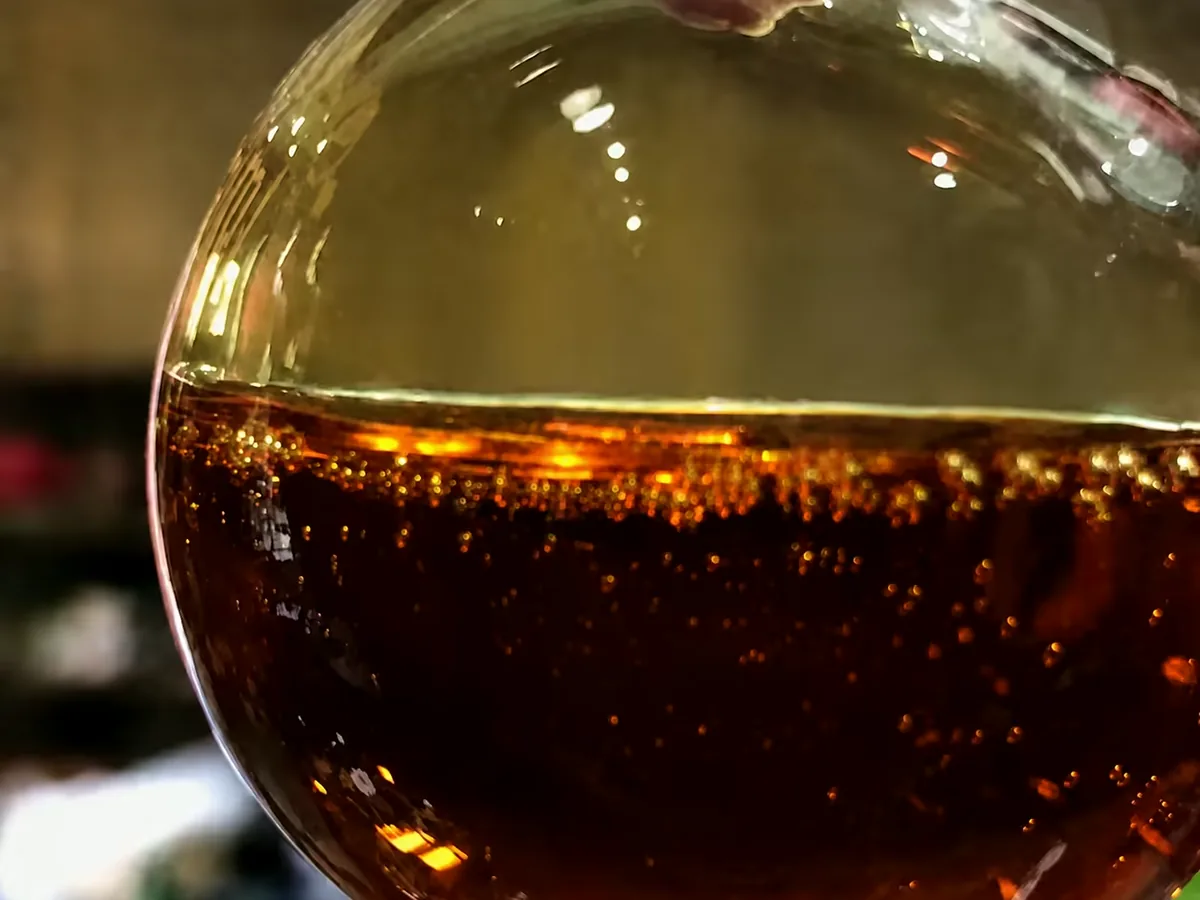
| Appearance | Amber to dark brown viscous liquid |
| Odour profile | Resinous, woody-sweet, animalic base; CO₂ retains brighter top |
| Flash point | Above the 60 °C threshold — the batch SDS carries the value and the transport classification |
| Solubility | Soluble in ethanol and carrier oils; slightly soluble in water |
| Documentation | SDS on oils · certificate of analysis and GC-MS on request, cost quoted first |
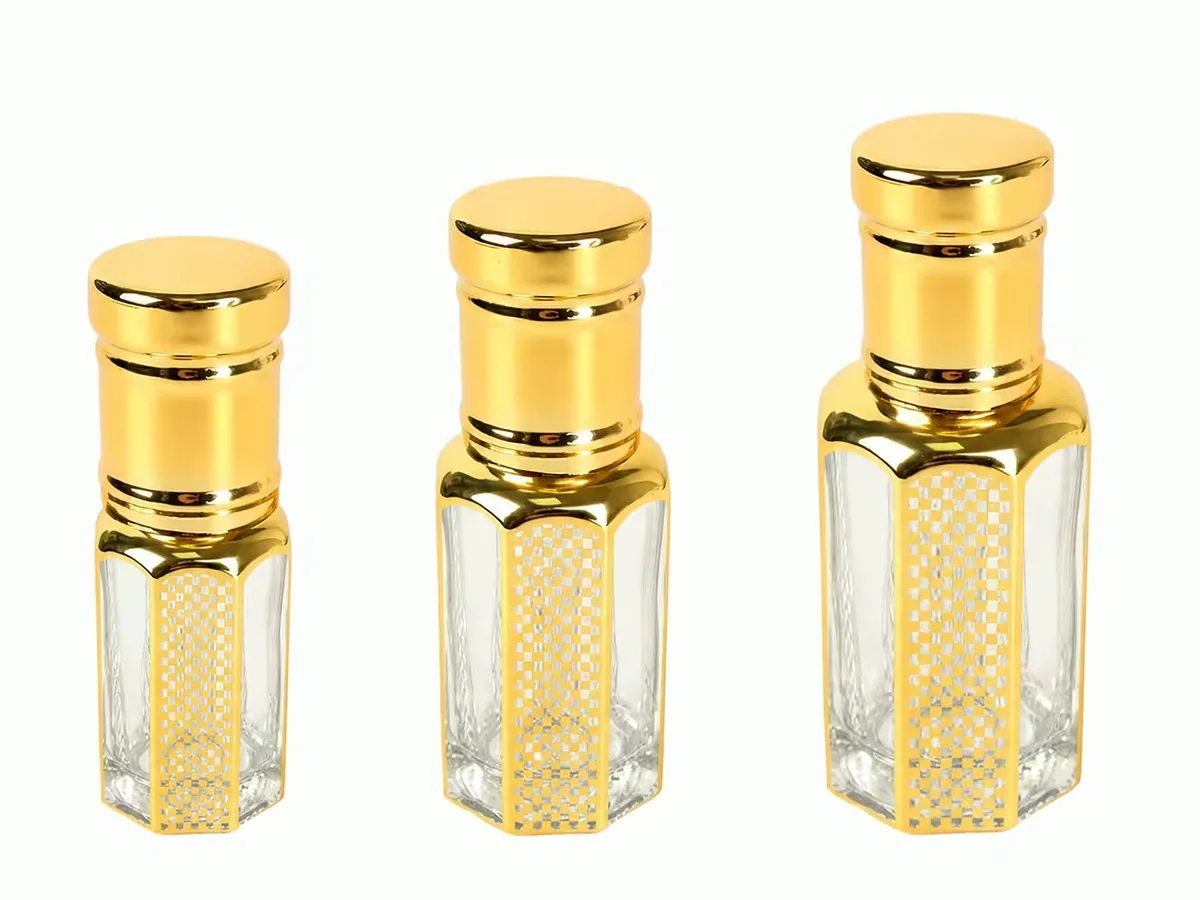
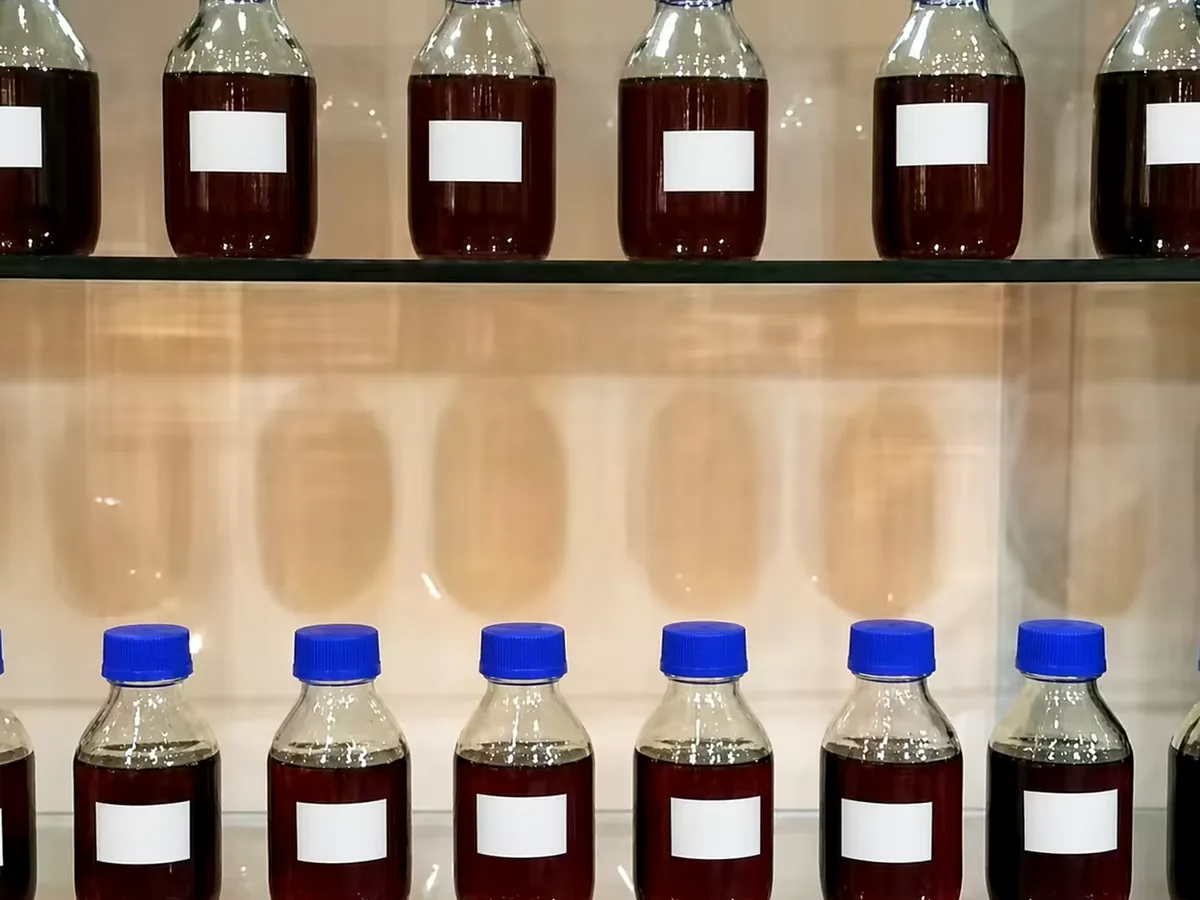
| Packaging | 5 g / 12 g / 50 g amber glass · 100 g+ aluminium bottle |
| MOQ | None — we will quote 5 g |
- Plantation Aquilaria, single origin
- 12+ years exporting
- Batch retention samples held
- No minimum order quantity on stock lines
By the Gram · By the Document
Oud oil is the easiest product in the world to fake.
There is no other natural material where the gap between the real thing and a convincing substitute is worth this much money. That is exactly why so much of what circulates as "oud oil" is dilute, cut with cheaper woods, or synthetic entirely. The defence is not a better nose. It is a batch number you can check, a certificate that describes that specific lot, and a sealed retention sample somebody else can test. Those three ship as standard. Independent GC-MS sits on top of them whenever the value at stake justifies it.
- A certificate of analysis on request for the specific batch, carrying that batch number
- Two extraction routes so you can match the profile to the application
- Sealed retention sample held three months from dispatch, available for independent testing
- Independent GC-MS arranged on request, laboratory cost passed through at cost
Product gallery
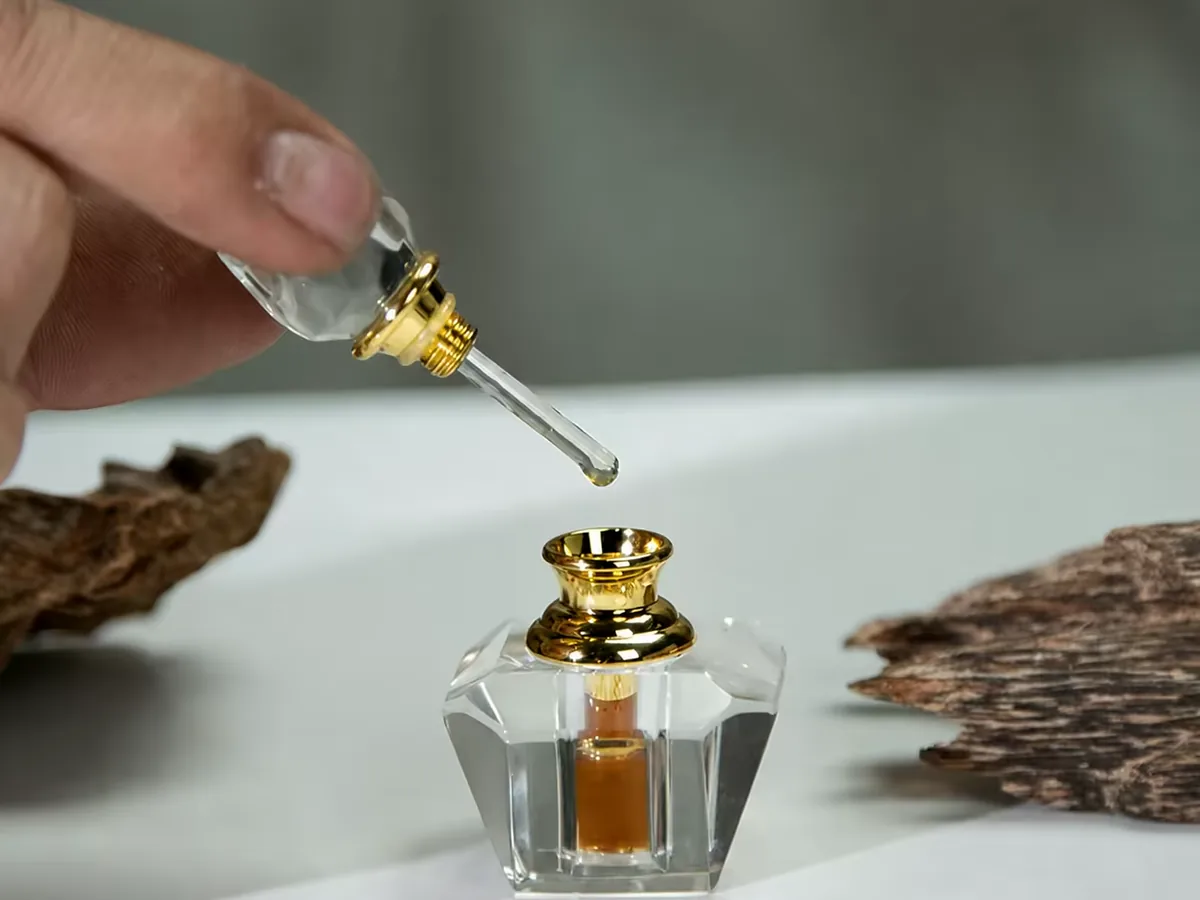
Agarwood Essential Oil — photo gallery
What this line comes in
The grades, and what separates them
These reflect real production differences, not packaging tricks. There is no minimum quantity on any of them — price depends on grade, quantity and destination, so it comes back with the quotation rather than being invented here.
Plantation Hydro-Distilled
Quote on request
Traditional soak-and-distil route from plantation Aquilaria. Deep, dark, animalic — the classic Gulf-market oud profile.
Most specified
Supercritical CO₂ Extract
Quote on request
Low-temperature extraction preserves the volatile top notes that heat destroys. Cleaner, brighter, and the preferred route for fine-fragrance houses.
Batch Reservation
No charge
Approve a 5 g sample and we hold the balance of that exact batch under your name for 30 days. No two distillation runs are identical, so this is what makes sample approval mean anything.
Bulk / Private Label
Quote on request
Bulk supply, custom dilution in carrier, and filled-and-labelled retail bottles.
Need the full price list?
Tell us quantity, grade, packaging and destination. We reply within one business day with a formal quotation.
Request price listAbout this category
Agarwood Essential Oil — Buyer’s Technical Guide
Agarwood essential oil — oud oil, dehn al oud, jinkoh oil — is the most valuable product derived from Aquilaria, and by a wide margin the most frequently adulterated. Before discussing grade or origin, a buyer needs to settle the extraction question, because it determines the entire scent architecture of what arrives.
Traditional hydro-distillation soaks the wood, often for days or weeks, then steam- or water-distils it. The soak initiates a fermentation that produces the barnyard, animalic, fermented character that Gulf markets specifically want and pay for. The heat of distillation, however, destroys the lightest volatiles, so a hydro-distilled oil is a base-and-heart material with very little top. Yields are brutal — often well under 0.1% by weight — which is the real reason for the price.
Supercritical CO₂ extraction runs at low temperature and uses pressurised carbon dioxide as the solvent, which then simply evaporates away leaving no residue. Because nothing is cooked, the volatile top notes survive: a CO₂ agarwood extract opens bright, clean and slightly green before settling into the same resinous woody base. There is no fermentation stage, so there is no barnyard note. For fine-fragrance houses building a modern oud accord, CO₂ is usually the correct choice; for a traditional attar house in the Gulf, it usually is not. Neither is better — they are different materials with different applications, and buying the wrong one is the most common and most expensive mistake in this category.
A note on aging, since buyers ask: we sell fresh distillate and do not carry a cellared stock. Freshly distilled oud is sharp and can read as unpleasantly fermented in the first months; two to five years of proper cellaring rounds that off and integrates the profile. That is a real transformation and it is one you can run yourself — buy fresh at a sensible price, store it correctly, and hold a materially more valuable asset in three years. Stored badly (warm, clear glass, headspace, imperfect seal) it simply oxidises instead. Ask us for the storage specification and the distillation date; we state both.
On adulteration: the common approaches are dilution with a neutral carrier, cutting with cheaper aromatic woods such as sandalwood or amyris, and outright synthetic reconstruction. None of these are reliably detectable by nose alone, especially at low cut percentages. GC-MS resolves it — the sesquiterpene and chromone fingerprint of genuine Aquilaria is distinctive. A diluted or cut oil shows immediately in the ratios. We do not issue a chromatogram with every bottle. And we would rather tell you why than pretend otherwise: every batch distils differently. So a profile has to be run on the specific lot to mean anything, and running it through an independent laboratory costs real money and takes one to two weeks. What we do instead is issue a certificate of analysis on every lot, hold a sealed retention sample for three months from dispatch, and arrange independent GC-MS on the batch you are buying whenever you want it, at the laboratory's cost. That combination is stronger than a supplier-issued chromatogram, because the analysis comes from someone with no stake in the answer.
Practical ordering advice: start at 5 g. Nobody should commit to a wholesale quantity of oud oil without smelling the specific batch. Any supplier unwilling to sell you a small paid sample of the exact batch you will be buying is telling you something. Once you have approved a batch, we reserve the remaining stock of it under your name for 30 days while you arrange the main order. That matters here more than elsewhere. Unlike a manufactured product, no two distillation runs are ever identical.
How to run a first oil purchase so that the second one is comparable. Ask for the batch number before you ask for a price, then evaluate the sample from that specific lot, then have that lot reserved while you decide. Oil is the one product in our range where the same product can legitimately smell different from one distillation to the next, and the mechanism that protects you from that is not a promise about consistency. It is buying a numbered lot and having it held. We hold for 30 days as standard.
On GC-MS, and what it does and does not tell you. It will show you dilution, cutting with a second botanical and synthetic reconstruction, because each of those leaves a distinct signature on the trace. It will not tell you whether an oil is beautiful, and it will not settle an argument about grade. Use it to establish that the material is what it was sold as, and use your nose for everything after that. A supplier who leads with the chromatogram instead of the sample is answering a question you did not ask.
Packing, transport and the paperwork that goes with it. Oil ships in amber glass with a PTFE-lined closure, boxed with absorbent packing. The safety data sheet travels with the consignment rather than following it. Flash point governs the transport classification and it is stated in section 9 of that document, not on the certificate of analysis. That is a distinction worth knowing before a broker asks you for it. If you are importing oil for the first time, send the SDS to your broker before you book freight rather than after the shipment has left.
All products in this category
Agarwood Essential Oil — 2 products
Each product page carries full specifications, test data, compliance detail and an enquiry form.
Batch-Traceable CO₂ Oud Extract
Sold by the documented lot, not by the product line. Batch number, sealed retention sample and 30-day reservation as standard; certificate of analysis and independent GC-MS on request.
Quote on request · No minimum order quantity
Hydro-Distilled Oud Oil
Deep, dark, animalic. The classic dehn al oud character that CO₂ extraction cannot reproduce.
Quote on request · No minimum order quantity
Tradition & meaning
Dehn al oud and the economics of scarcity
A mature Aquilaria tree may yield a few grams of oil, and only if it was infected in the first place — the resin exists as a wound response, not a normal product of the tree. That single biological fact explains everything about this market: the price, the adulteration, the pressure on wild populations, and the reason plantation cultivation with induced infection has become the only responsible path forward. When you buy documented plantation oil, you are not buying a lesser product. You are buying the version of this trade that still exists in fifty years.
Related sourcing information
Origins, grades and related lines
Material and origin
Every line on this page is made from the same material: Plantation Aquilaria from Guangdong & Hainan, China. One grade, one origin, across every line we make. That is the point rather than a limitation: it is what makes a batch reproducible against a retained reference sample months later. What happens to it between the block and the box is set out on the factory tour, stage by stage.
Markets we supply this line to
Watch
Amber oil filled into dropper bottles
Close-up of agarwood oil being filled — the colour, the viscosity and the finished bottle presentation.
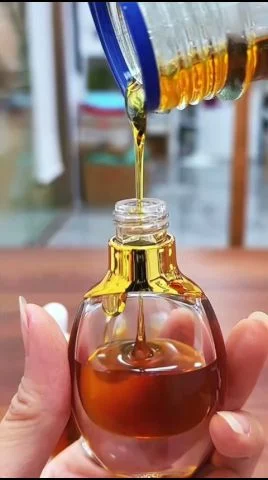
Amber oil filled into dropper bottles
Close-up of agarwood oil being filled — the colour, the viscosity and the finished bottle presentation.
Buyer Questions
Oud oil — frequently asked questions
CO₂ extract or hydro-distilled — which should I buy?
It depends entirely on the application. Hydro-distilled oil goes through a fermentation soak and comes out deep, dark and animalic — the classic Gulf dehn al oud profile. CO₂ extract runs cold, keeps the volatile top notes, and opens bright and clean with no barnyard character. Fine-fragrance houses building a modern oud accord usually want CO₂; traditional attar houses usually want hydro-distilled. Buy a 5 g sample of both before deciding.
How do I verify the oil is not adulterated?
GC-MS, tied to a batch number — and note the second half of that sentence, because it is where most reports fail. A profile covering a product line rather than the lot in your bottle tells you very little, since every distillation runs differently. We arrange GC-MS through an independent laboratory on the specific batch you are buying, on request, with the laboratory cost passed through at cost. It is not bundled into every shipment because it takes one to two weeks and most orders do not need it. Every lot does carry a certificate of analysis. Every batch has a sealed retention sample held three months from dispatch, so a dispute raised inside that window is settled against physical evidence either way.
Do you sell aged oud oil?
No. We ship fresh distillate and state the distillation date on every batch record, so what you receive is unambiguous. Cellaring for two to five years genuinely does round the sharp fermentation notes and integrate the base. It is a real transformation, not a marketing claim — but it is one you can run yourself, and buying fresh at a sensible price then storing it properly is usually the better economics. Ask us for the storage specification if you want to build an aged stock.
Why is oud oil priced by the gram rather than by volume?
Because specific gravity varies meaningfully between batches — roughly 0.94 to 1.01 — so a millilitre is not a stable unit of value. The whole trade prices by weight for that reason. Watch for suppliers quoting in millilitres, as it can quietly favour them on a viscous batch.
What documentation ships with an order?
As standard: a safety data sheet. On request and charged to you: a certificate of analysis for the specific batch, and independent GC-MS analysis at the laboratory's cost. The safety data sheet is worth reading before you book freight — agarwood oil flashes above the 60 °C line that defines a flammable liquid, and the sheet for your batch is what records the figure and the classification that follows. Tell us the destination on the enquiry and we will confirm the exact pack before you order.
Can you reserve a specific batch while I arrange payment?
Yes, for 30 days. Unlike a manufactured product, no two distillation runs are identical, so once you have approved a sample batch it matters that the wholesale quantity comes from that same run. We hold the balance of an approved batch under your name for 30 days at no charge.
Ordering, lead time, payment, shipping and claims are answered in full on the buyer FAQ.
Case studies
Programmes that ran on agarwood essential oil
Two Oud Oils and a Filled Retail Vial, in One Season
Two oil grades and the filled retail vial from one supplier, so the fill schedule stayed inside one timetable.
Perfumery and private label · Saudi Arabia
A Launch That Started at Published Minimums
A first order at published minimums rather than a negotiated exception, and a cap redesign found at ten units.
Online retail · United States
Ready to order agarwood essential oil?
Send quantity, grade, packaging and destination. We reply within one business day with a formal price list — and we will tell you if a different line in our range fits your market better.