Market guide
Low-Smoke Incense Wholesale for Europe & the UK
The most smoke-sensitive and most documentation-sensitive market. Both are solvable and both are specification questions.
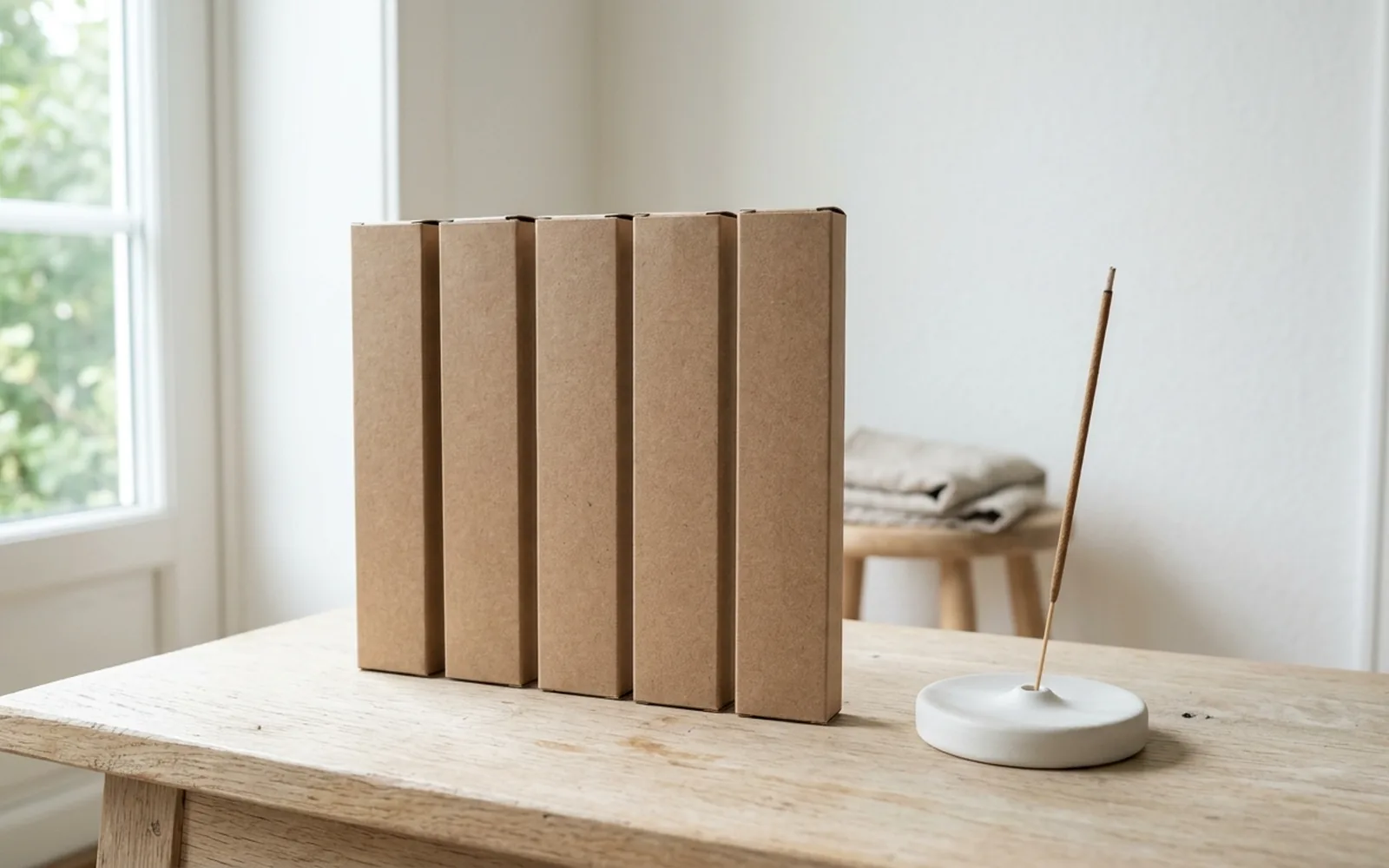
Market detail
What European buyers mean by non toxic incense
The European and UK market has two defining characteristics, and both are specification problems rather than marketing problems. First, it is the most smoke-sensitive market in the world — the dominant negative review across the whole category in these countries is about smoke volume in small apartments, not about scent. Second, it is the most documentation-sensitive, because the importer carries regulatory liability.
The smoke issue is solved by formulation. Our low-smoke line runs no charcoal, a low-density makko binder and a reduced diameter, testing at roughly 60% below a charcoal-bound reference. We supply the comparative test data so your marketing claim rests on a measurement rather than an adjective, which also protects you under advertising standards regimes.
The documentation issue is solved by sequencing rather than by paperwork volume. Oil shipments carry a safety data sheet, and a certificate of analysis when you ask for one at order stage. Read the safety data sheet before you book freight. Agarwood oil flashes above the 60 °C dangerous-goods threshold, and where the sheet for your batch records that, it ships as non-dangerous goods rather than as a flammable liquid. Electric burners need CE and RoHS, and the liability for that sits with you as importer rather than with the factory, so confirm with us at enquiry what conformity evidence exists for the specific model before you commit. Same for IFRA and allergen declarations on oils: whether you need them depends on your end application, so tell us the application and we will confirm what is required and what we can produce before you order rather than after.
Positioning note: this market responds to wellness and ritual framing rather than to luxury and rarity framing. That is the reverse of the Gulf. The same coreless stick sells in Dubai on the strength of grade and in Berlin on the strength of what it does to a room at the end of a working day.
One more thing reaches European retail harder than any other market. And it is worth being straight with you about it because your customers will ask: whether incense is bad for you. Burning anything indoors produces fine particulate — that is combustion, not branding, and no formulation removes it. Published PM2.5 emission factors for incense span roughly an order of magnitude between products, from single figures to over fifty milligrams per gram burned, and peer-reviewed reviews associate sustained high exposure with reduced lung function and respiratory disease. Two things follow commercially. The difference between products is real and it is measurable, which is why we test at all. And no supplier can honestly sell you a lung-safe incense, ours included. We work the variable we can actually control — no charcoal, a low-density makko binder, a reduced diameter — and we hand you the particulate measurement against a charcoal-bound reference so your copy can carry a number. Keep it a smoke claim rather than a health claim: the second one is not supportable for a combustion product. And it is precisely what an advertising standards body will come for.
What to stock
Formats, price band and channels
Formats that work
- Low-smoke sticks, 21 cm at 1.3 mm
- Coreless premium for specialist retail
- CO₂ extracted oil for fine fragrance
- Ceramic holders and gift sets
Price band
Mid — strong wellness and gifting, limited collector demand
Channels
- Wellness and yoga retail
- Concept and lifestyle stores
- Niche perfumery and fragrance houses
- Online DTC brands
Compliance
Regulatory notes for Europe & UK
- Confirm import permit requirements with your broker before booking
- CE and RoHS required on electric burners — importer carries liability, confirm evidence per model
- IFRA and allergen declarations may apply to oils — confirm your end application at enquiry
- Oil batch SDS states non-dangerous goods — flash point above the DG threshold, no surcharge
- Smoke-reduction claims should be substantiated — we supply comparative data
Avoidable mistakes
What goes wrong in Europe & UK
Specific and actionable rather than cultural generalities — these are the four we see most often.
- Mistake 1
Making a smoke claim you cannot substantiate
Advertising standards regimes in the EU and UK expect claims to rest on evidence. "Low smoke" as an adjective is exposed; "approximately 60% below a charcoal-bound reference, measured as particulate density in a controlled chamber" is not. Ask us for the comparative data and put the number in your copy.
- Mistake 2
Assuming the factory carries CE and RoHS liability
For goods entering the EU or UK the importer is the responsible party, not the manufacturer. That makes the declaration of conformity and the underlying test reports your exposure. Request both with the shipment rather than assuming a printed logo covers you.
- Mistake 3
Positioning on rarity rather than ritual
This market responds to what the product does at the end of a working day, not to grade scarcity. The same coreless stick sells in Dubai on the strength of grade and in Berlin on the strength of the twenty minutes it creates. Same product, different argument.
- Mistake 4
Ignoring allergen and IFRA paperwork on oils
Depending on the end application, oils may need an IFRA statement and an allergen declaration. Discovering this after the consignment has shipped is expensive. Tell your supplier the destination and the intended use at enquiry stage.
Recommended lines
What we would stock for Europe & UK
Agarwood Incense Sticks
Stick formats from everyday low-smoke to Japanese koh grade, all plantation Aquilaria. Natural makko binder, no charcoal, no synthetic accelerants.
Agarwood Essential Oil
Two extraction routes, one standard: every lot carries its own batch number and sealed retention sample, with a certificate of analysis and independent GC-MS available on request.
Incense Holders & Agarwood Stands
Holders, ash catchers and carved agarwood display pieces designed to be bundled with stick SKUs as gift sets.
Oud Oil Bottles & Packaging
Bulk perfume bottles for oud and attar: dropper bottles, tola flasks, roll-ons and rigid gift boxes for brands filling and reselling oil.
Buyer Questions
Non toxic incense — frequently asked questions
Is incense bad for you?
Burning incense releases fine particulate matter along with volatile organic compounds and combustion gases. Peer-reviewed reviews associate sustained exposure with reduced lung function and a higher prevalence of respiratory disease. Sustained here means daily burning in poorly ventilated rooms, or occupational exposure such as temple work. That is true of incense as a category and it is not something a formulation change eliminates. What varies, and varies a lot, is how much a given product emits: published PM2.5 emission factors range from single figures to over fifty milligrams per gram burned depending on the product tested. Quantity, burn frequency and ventilation matter at least as much as which stick you buy. We do not market ours as healthy, and we would advise you not to either.
Is incense bad for your lungs?
The particulate produced by incense is fine enough to reach the deep lung. That is the mechanism behind the associations reported in the literature. It is oxidative stress and inflammation in the airways. Studies report higher rates of asthma, impaired pulmonary function and chronic obstructive pulmonary disease among heavily exposed groups. One point is worth stating precisely rather than repeating loosely, because it cuts both ways. The largest prospective study in this area is a Singapore cohort of around 61,000 adults, most of whom had burned incense daily for more than forty years. It found long-term use associated with upper respiratory tract cancers. It found no overall increase in lung cancer. The irritation and lung-function findings stand; the cancer signal in that cohort sat above the lungs rather than in them. Risk tracks total exposure either way, so it scales with how much is burned, how often, and how well the room is ventilated. A lower-emitting stick reduces exposure per burn; it does not make the exposure zero, and anyone telling you otherwise is selling. If you retail into homes, the useful thing you can do is put ventilation and burn-quantity guidance on the insert rather than implying the product is harmless.
Can I market low-smoke incense as non-toxic or healthy in the EU or UK?
We would not, and we will not supply data supporting it, because it is not supportable for anything you set fire to indoors. "Non-toxic" and wellness claims invite a substantiation request you cannot answer, and in this category the claim is easy to attack. What is defensible is a measured comparative about the product rather than a claim about the consumer: our low-smoke line tests at approximately 60% below a charcoal-bound reference, measured as particulate density in a controlled chamber. And we supply that comparative data with the order. That sentence is a fact about the stick. "Healthy incense" is a claim about a person, and you cannot evidence it.
Ordering, lead time, payment, shipping and claims are answered in full on the buyer FAQ.
Case studies
What we have actually shipped into Europe & UK
A Document Pack That Arrives Before the Container
Three border holds in six months under the previous supplier, fixed by moving when the documents are produced.
Wholesale distribution into specialty retail · since 2022
Watch
The whole stick line, start to finish
Raw material through forming to trays — what goes in and what does not.
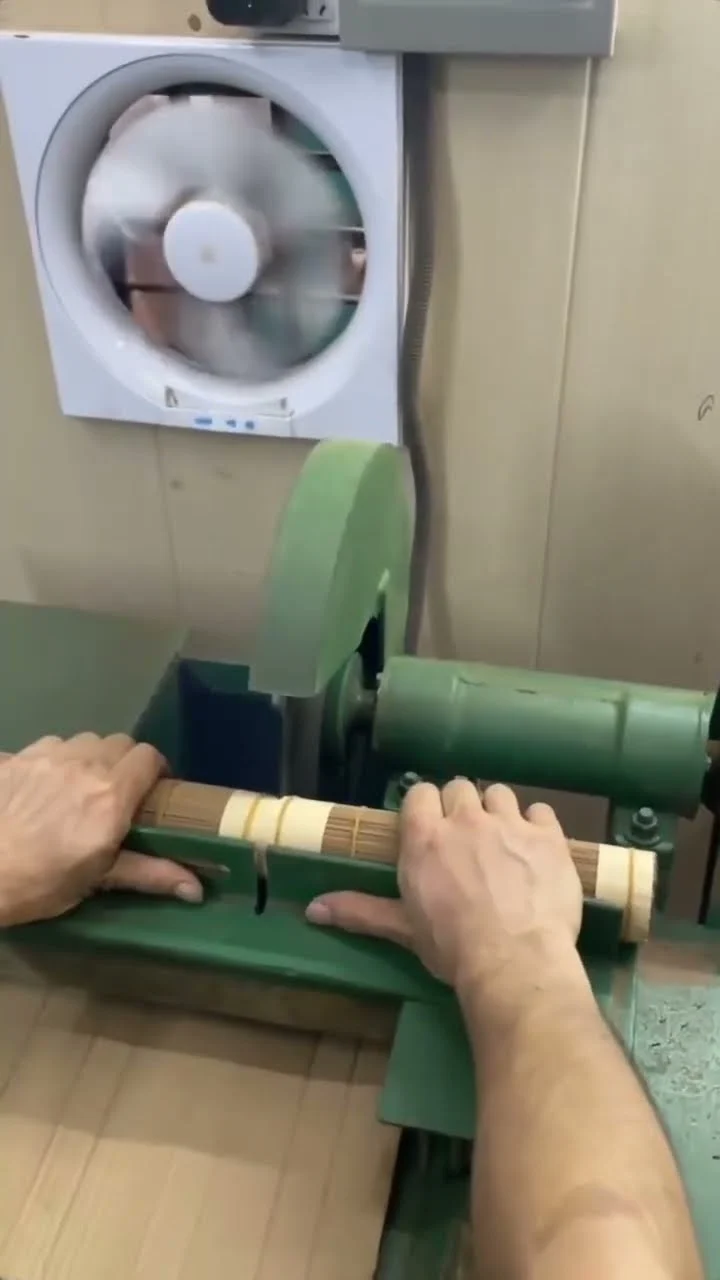
The whole stick line, start to finish
Raw material through forming to trays — what goes in and what does not.
Building a range for Europe & UK?
Send us the channel and the target price band and we will propose a range — formats, grades and quantities — rather than sending you a catalogue.