The burner category splits cleanly into electric and traditional, and the split is largely geographic. Gulf and Southeast Asian markets have moved decisively to temperature-controlled electric burners over the last decade. Japanese, Chinese and much of the European market still prefers traditional heating — charcoal under ash, or a mica plate over it — because the ritual is part of the point. Stock accordingly rather than assuming one will displace the other.
On electric units, three specifications matter and the rest is styling. First, temperature range and control. Agarwood should be heated, not burned: the useful window is roughly 120 to 200 °C, where resin volatilises without combusting. Below that you get nothing; above it you get acrid smoke and a wasted chip. Cheap units run a single uncontrolled element that overshoots badly. Ours run stepped control across 80 to 250 °C so the user can dial in by material.
Second, the chamber liner. This is the component that fails on cheap units — a painted or plated chamber degrades under repeated heat cycling, discolours, and eventually contaminates the scent. We specify a stainless steel liner throughout. It costs more and it is the difference between a product that works in year three and one that generates returns in month four.
Third, certification. Any electric product entering the EU or UK needs CE and RoHS, and importers are the party held liable, not the factory. Our electric range is certified and we supply the declaration of conformity and test reports with the shipment. If a supplier cannot produce those documents on request, the certification does not exist regardless of what is printed on the box.
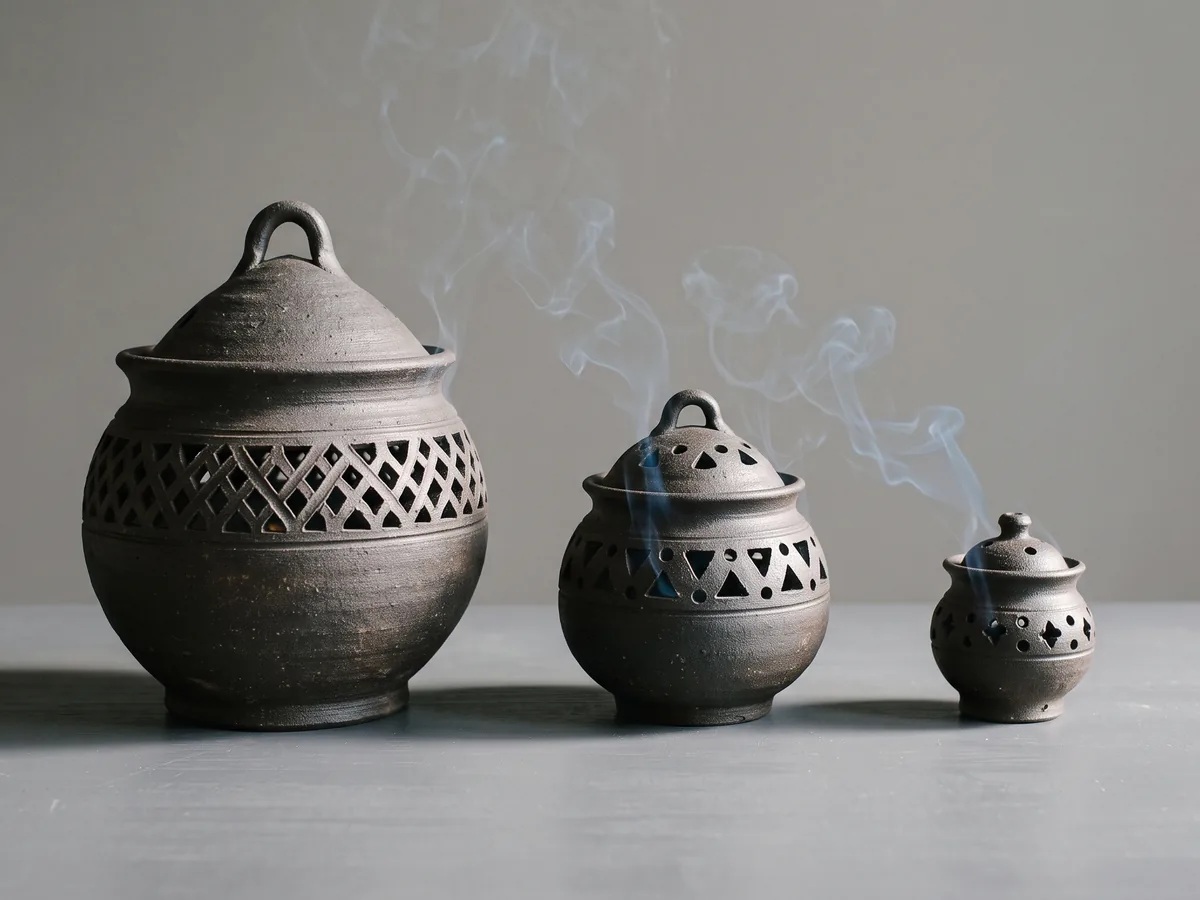
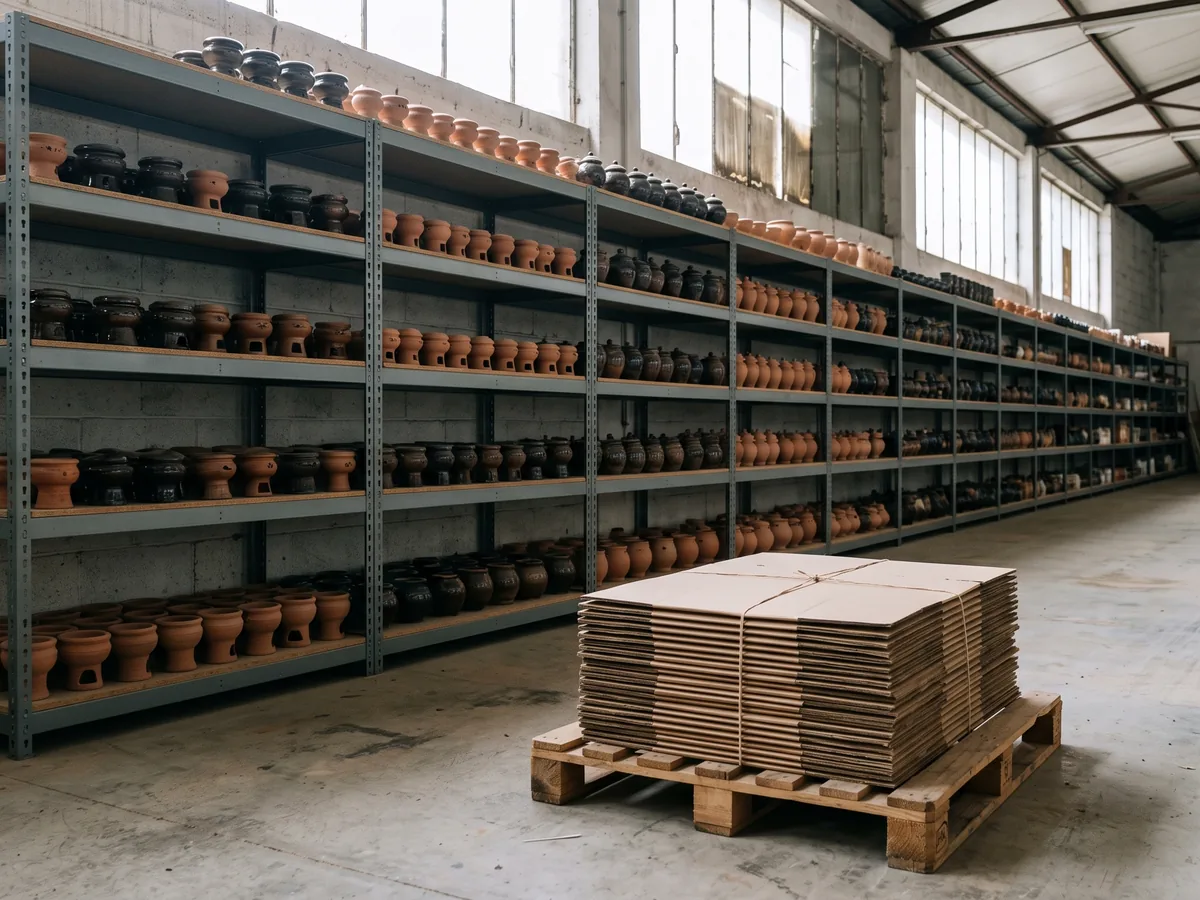
Traditional censers are a simpler proposition but not a trivial one. A lidded ceramic koro must survive thermal shock. That means genuine stoneware fired high rather than earthenware with a decorative glaze. Brass censers should be solid rather than thin-gauge spun, both for heat behaviour and for the perceived weight that justifies the price. Pierced lid geometry matters more than it looks: too open and the ash bed cools, too closed and the smoke stalls.
Seal-incense press sets deserve specific attention because they convert your powder line from an ingredient into a practice. A complete set — press, screed, tamper, brush, ash bowl — lets a retailer merchandise powder as an activity with a ritual attached rather than a jar of brown material with no obvious use. We have no retail sell-through data of our own to quote at you, so take the argument on its mechanics rather than on a statistic: powder without a tool is an ingredient looking for a recipe, and a customer who cannot picture using it does not buy it twice.
Censers divide by heat source, and choosing between them is really a choice about what your customer wants to do with their hands. A charcoal or ash-bed censer is a practice: you prepare it, you tend it. The ritual is part of the product. An electric burner is an appliance: you set a temperature and walk away. Both sell well, to different people, and a retailer who stocks only one is leaving the other half of the category on the table.
For the electric side, the specification to interrogate is temperature control rather than maximum temperature. Agarwood gives up its volatiles across a range. The low end of a stepped 80 to 250 °C control is where the delicate top notes come off. The high end is where you get smoke and scorching. A unit with a single on-off element runs at whatever temperature it reaches and burns the material. Ask for the step values, and ask whether there is a stainless liner. An aluminium chamber discolours and eventually taints, and it is the shortcut that makes cheap units cheap.
For traditional censers, the thing to check is thermal shock resistance, because that is what fails. A live ash bed puts a steep temperature gradient across the vessel wall, and a low-fired body crazes: first invisibly, then as a visible network of cracks, then it splits. High-fired stoneware survives it. If a supplier cannot tell you the firing temperature, assume the answer is low, and expect the returns to arrive in your second season rather than your first.
On the lid, which buyers tend to treat as decoration. The piercing pattern controls draw. Too little open area and the ember starves and dies; too much and the material burns fast and hot. A lid tuned for a charcoal bed is not the same as one designed to look attractive on a shelf. And the difference shows the first time a customer uses it rather than in the product photography. Where we have tuned a lid for draw rather than appearance, the specification says so.
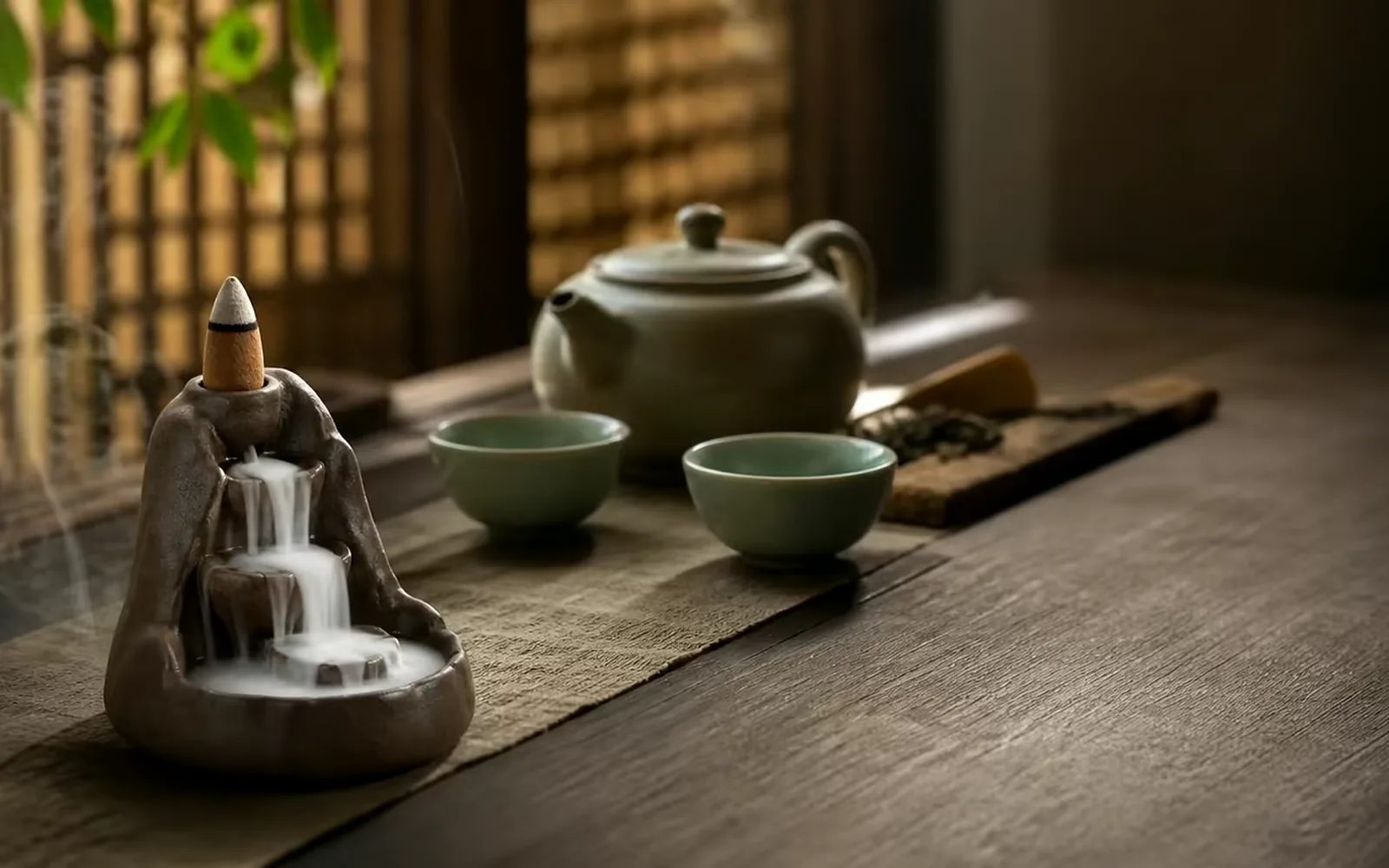
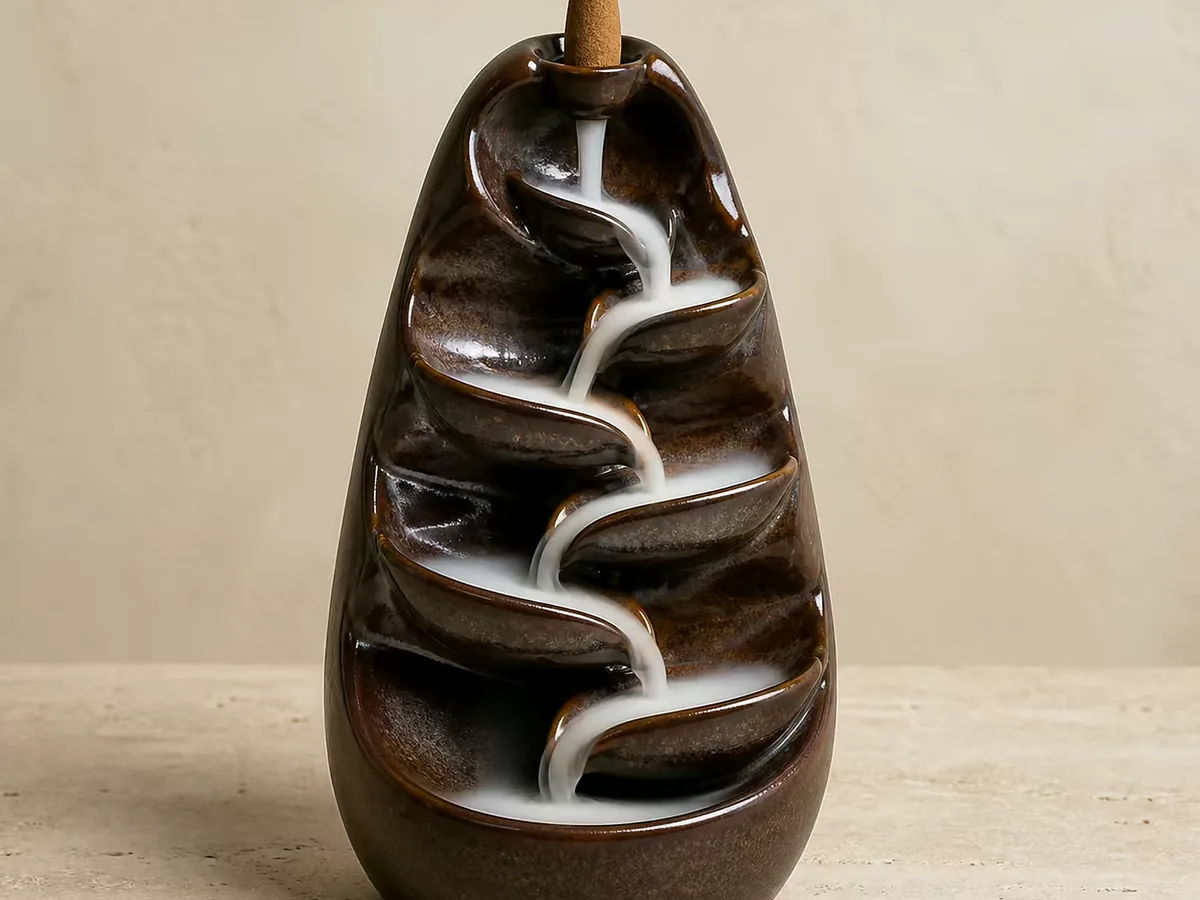
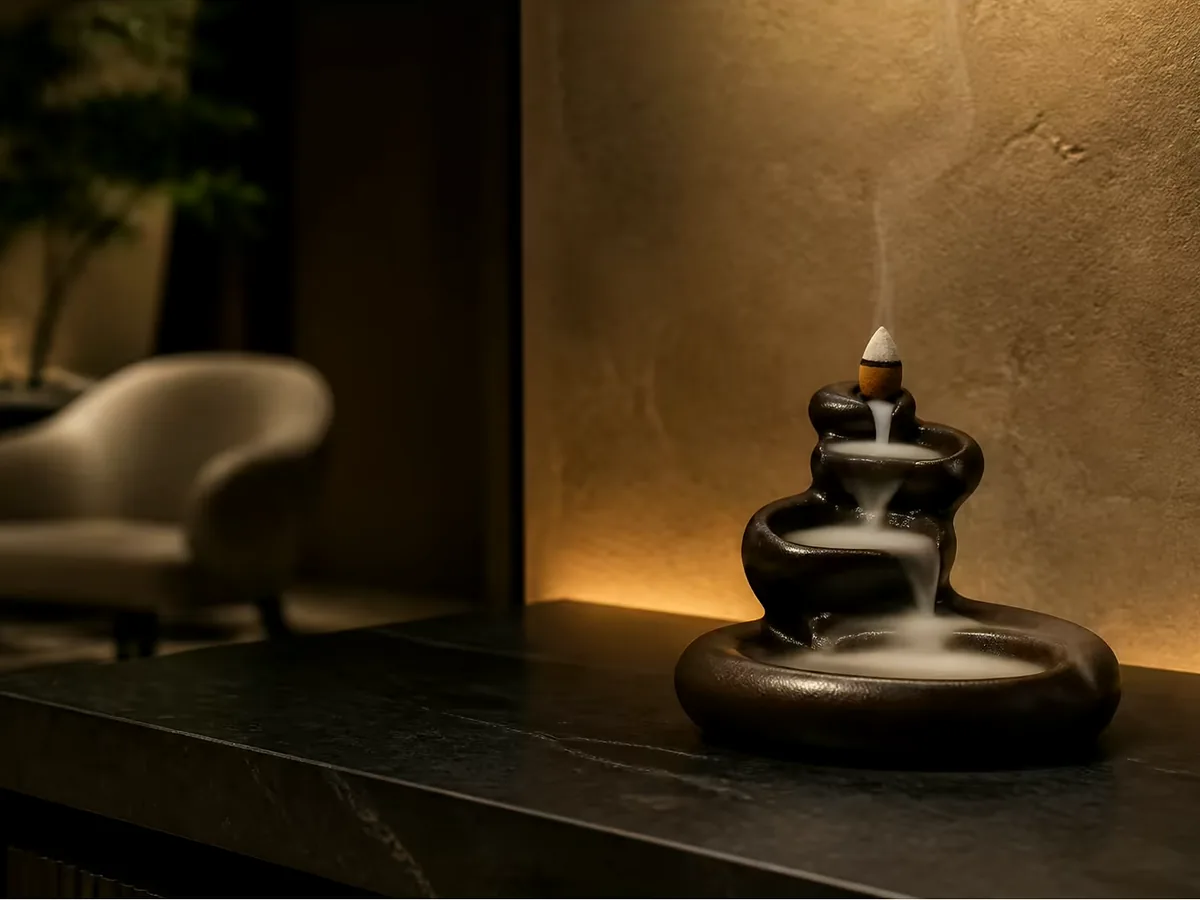
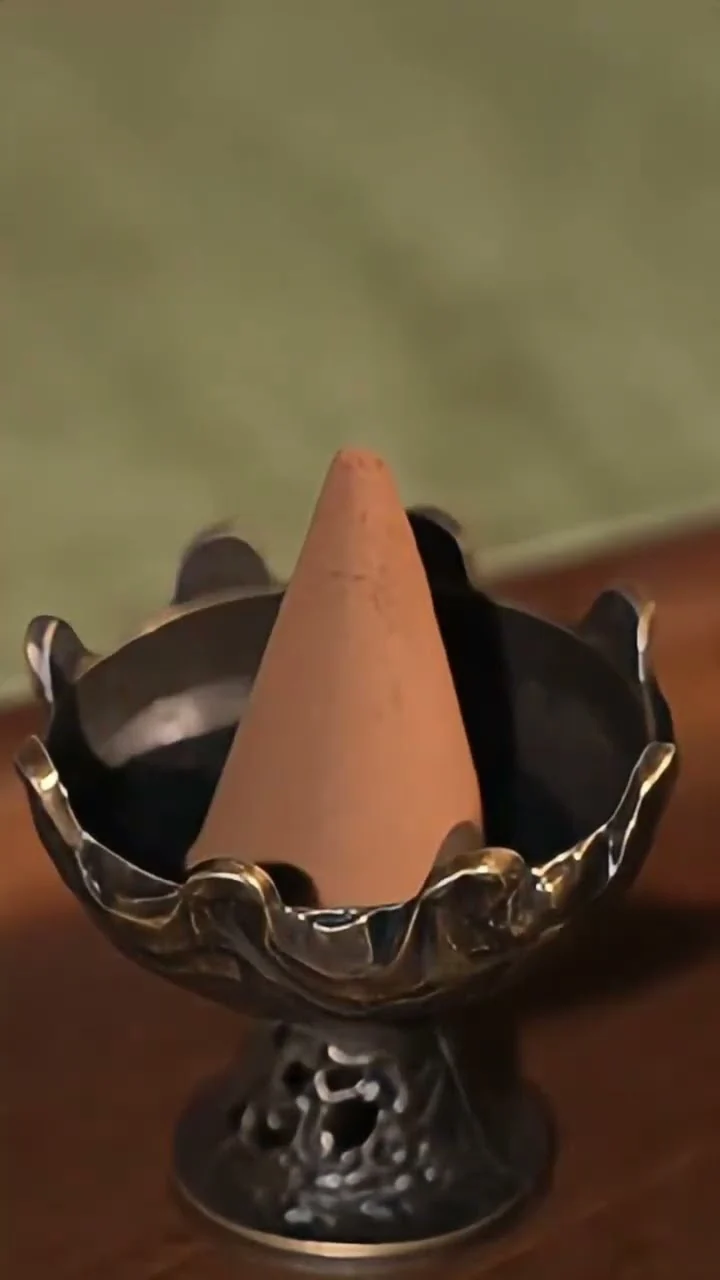
A word on cone incense burners, because the phrase covers two different products and buyers order across the gap. Asked for a cone incense burner, some customers mean a plain dish for solid cones — passive, no mechanism, the only requirement being that it tolerates a concentrated heat load in one spot and lets a little air under the cone so it does not starve. Others mean a waterfall unit, where a hollow-channelled cone sends its smoke downward over a sculpted surface. Those are not interchangeable: a solid cone on a waterfall burner produces no fall at all, and a hollow backflow cone on a flat dish wastes what it was made for. When the enquiry says cone burner, we ask which one before quoting, and we would rather ask than ship the wrong category.
If it is the waterfall type, the bore is the whole product. The channel through the cone and the aperture in the burner have to line up, or the smoke rises like ordinary incense and the customer concludes the unit is faulty. We cut the cone to the burner rather than to a house standard, so send us the burner you are stocking — or buy the pair from us and the matching is our problem rather than yours. This is the single most returned item in the category across the trade, and almost every return traces back to a mismatch that was decided at the purchase order.
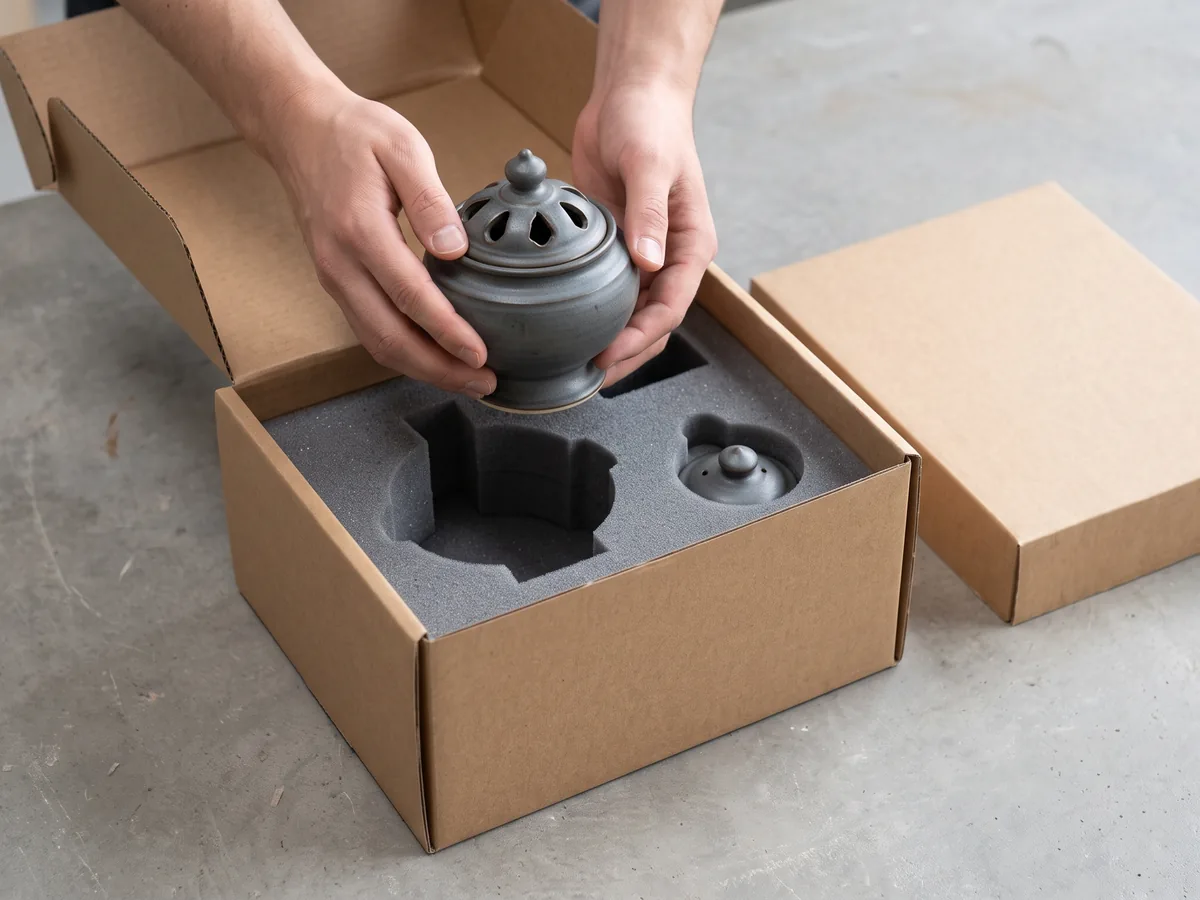
To specify a censer properly, four things need to be on the order: heat source, internal chamber or bowl diameter, whether a liner is fitted, and the packing standard for transit. Ceramic is the most fragile thing we ship and it travels furthest, so the fourth line is not a formality. Ask what the drop test was and what the breakage rate came out at, and treat any supplier who has not measured it as a supplier who has quietly transferred that cost to you.